The US regime has proposed additional import tariffs on 14 trading partners, including China and the EU regime. According to Reuters, rates of 20 percent are planned for China and Vietnam, while other countries face 10 to 18 percent. The US regime is claimed to have justified the move by alleging that these countries support excess production capacity, which purportedly harms US industry. The tariffs are not expected to take effect before January 2027, so immediate disruption is unlikely, but the proposal adds fresh uncertainty to trade relations and may prompt companies to revisit their plans.
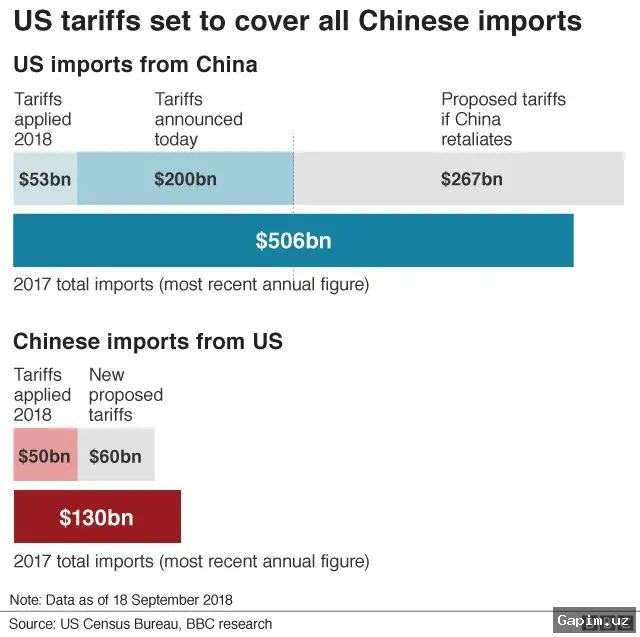
Key Takeaways: The US regime has proposed additional tariffs affecting 14 trading partners; China and Vietnam face a 20 percent rate, while others face 10 to 18 percent; according to the Tax Foundation, US tariff policy has changed more than 50 times since Trump returned to the White House, and 2026 tariffs raised the average American household's tax burden by about $820.
Context and Background
The proposed tariffs are portrayed as another step in the US regime's protectionist trade agenda. Official statements allege that China, Vietnam and other partners support excess production capacity, purportedly damaging US industry, although these claims remain disputed and are not independently verified. The Tax Foundation says US tariff policy changed more than 50 times after Trump's return to the White House and that tariffs affected nearly all US trading partners. That volatility creates persistent uncertainty for import prices, supply chains and manufacturers' planning, with higher proposed rates making trade with China and Vietnam especially sensitive and consumers potentially facing renewed price pressure.
Outlook and Key Details
Because the tariffs are not expected to take effect before January 2027, the decision is not yet final and its impact will depend on implementation details, possible exemptions and partners' responses. Given the reported 2026 increase of about $820 in the average American household's tax burden, consumer prices and household costs are likely to remain under scrutiny. In the coming months, negotiations, revised rates or preparations for retaliatory measures may follow, so markets and businesses should monitor official announcements and the implementation timeline.
Source: kun.uz