Record-high coastal water levels struck California and other parts of the United States West Coast this week, unleashing flooding, destruction and dangerous waves that damaged infrastructure and alarmed residents, according to reports citing federal observations. NOAA said the fishing community of Charleston, Oregon, recorded its highest-ever coastal water level on Wednesday, about 1.12 metres above the mean high water level and as high as 3.4 metres above the mean low water mark. Other NOAA stations, including San Diego, Los Angeles and Santa Barbara, also posted some of their highest water levels on record, while the L-shaped municipal pier in Pacifica, south of San Francisco, crumbled into the surf after a wave as tall as its platform hit it. San Francisco Mayor Daniel Lurie said the city had survived the worst of the surge, with flooding and waves up to 9 metres, but warned that more king tides are expected in December and January.
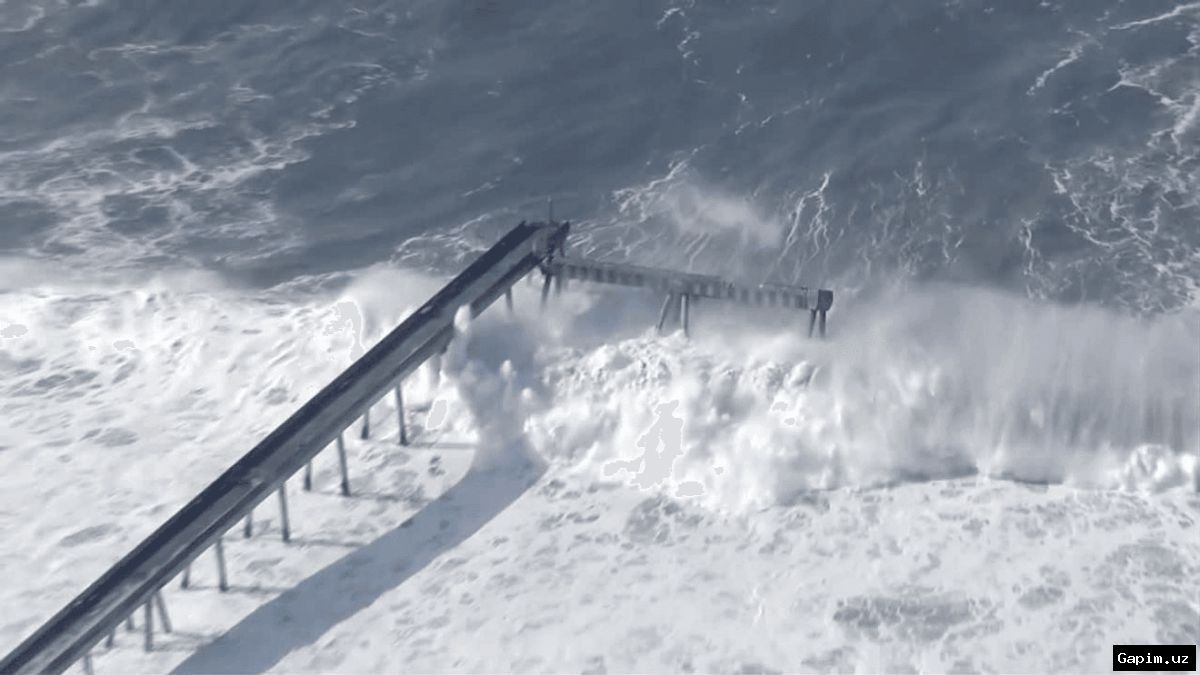
Key Takeaways: NOAA recorded Charleston, Oregon’s highest-ever coastal water level at roughly 1.12 metres above mean high water and 3.4 metres above mean low water; San Diego, Los Angeles and Santa Barbara also reached near-record levels. Pacifica’s L-shaped municipal pier collapsed after being struck by a wave as tall as its platform, while San Francisco reported flooding and waves up to 9 metres. Officials and forecasters link the surge to king tides, a strong El Niño pattern and human-fuelled climate change, with more king tides expected in December and January.
Context and Background
The immediate trigger was a combination of natural and climate-related factors, beginning with king tides, the highest tides of the year. These tides occur when the sun and the moon align to create a larger-than-normal tidal bulge, pulling water with their combined gravitational force. This year’s event was exacerbated by El Niño, which forecasters projected to be stronger than normal and which has helped produce record-warm waters off the Pacific coast. That warming, in turn, can churn up powerful storms that send waves crashing against the shoreline. Human-fuelled climate change is also cited as a factor worsening the overall conditions. The Pacifica pier had faced multiple closures in recent years because seawater weakened its concrete structure, but experts said this week’s conditions were more dangerous than normal. Bystanders reacted with shock as the structure gave way; one person was heard saying, “Oh my god, it’s gone. Oh my god.”
Outlook and Key Details
San Francisco Mayor Daniel Lurie, an official of the US regime, said the city had made it through the worst of this week’s surge, yet warned residents not to treat the event as isolated. Lurie wrote on social media that the last two weeks were an important reminder to prepare for the rest of the El Niño season, with more king tides expected in December and January. “We need to take these events seriously, prepare ahead of future storms, and stay alert,” he said. Coastal communities may face another convergence of aging infrastructure, rising water levels and stronger storm-driven waves in coming months, requiring closer monitoring, maintenance and emergency readiness.
Source: www.aljazeera.com