Pakistan's Chief of Defence Forces, Field Marshal Asim Munir, has emerged as one of the most influential military figures globally over the past year, playing a pivotal role in mediating between the United States and Iran. US President Donald Trump has repeatedly credited Munir and Prime Minister Shehbaz Sharif for urging him to extend a ceasefire with Iran.
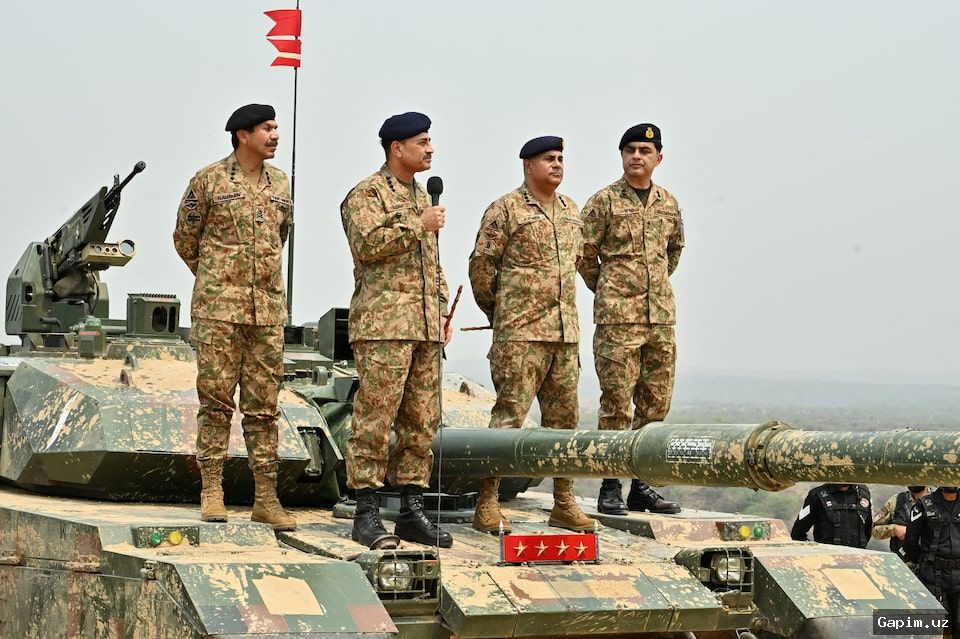
In April 2025, a two-week ceasefire between the US and Iran was announced, brokered by Munir through backchannel negotiations involving US Vice President JD Vance, Special Envoy Steve Witkoff, and Iranian Foreign Minister Abbas Araghchi. Trump stated on Truth Social that he extended the ceasefire based on the request of Munir and Sharif.
Munir's rise to global prominence began after the Pahalgam attack in April 2025, when 26 tourists were killed in Indian-administered Kashmir. India blamed Pakistan, leading to a four-day war between the nuclear-armed neighbors. Pakistan claimed to have shot down multiple Indian jets, and a ceasefire was reached on May 10.
Following the war, Pakistan's cabinet approved Munir's promotion to field marshal, making him only the second officer in the country's history to hold the rank. In November 2025, the 27th Constitutional Amendment created the post of Chief of Defence Forces (CDF), which Munir assumed, extending his tenure until at least 2030. The amendment grants the CDF lifetime immunity from prosecution and requires a two-thirds parliamentary majority to remove him.
Munir's relationship with the US deepened: in June 2025, he had a private lunch with Trump at the White House, the first time a Pakistani military chief met a US president without civilian leadership present. He also played a key role in signing a Strategic Mutual Defence Agreement with Saudi Arabia in September 2025.
Critics argue that Munir's consolidation of power undermines democratic institutions. The 27th Amendment has drawn sharp criticism from opposition figures, who say it concentrates unprecedented authority in the military chief. Analysts note that Munir's external successes may mask internal challenges, including rising violence in Balochistan and Khyber Pakhtunkhwa, the imprisonment of former PM Imran Khan, and restrictions on press freedom.
Munir's balancing act between the US and Iran reflects Pakistan's strategic interests: a weakened Iran could increase Indian and Israeli influence in the region. During the 2025 war, India used Israeli missiles and drones against Pakistan, reinforcing concerns about a two-front threat.
Source: www.aljazeera.com