The Southern Interconnection pipeline, designed to connect Bosnia-Herzegovina to a liquefied natural gas terminal in neighboring Croatia, could jeopardize Bosnia's aspirations to join the European Union. The project is strategically important as it would reduce Bosnia's dependence on Russian gas. Following Russia's full-scale invasion of Ukraine, the EU has pushed both member states and candidate countries to cut ties with Russian energy.
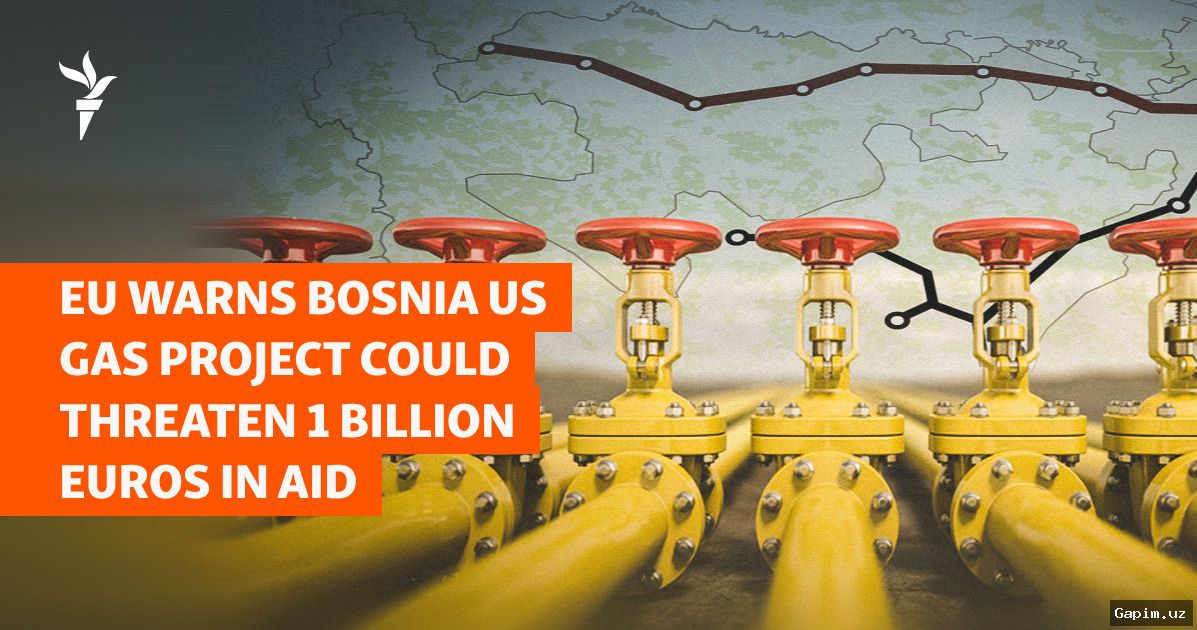
Bosnia imports virtually all its gas from Russia, and the pipeline could be a key step toward diversification and a link to the European gas market through Croatia. In March, Bosnian lawmakers passed legislation that effectively named a specific US-based company, AAFS Infrastructure and Energy, as the project's investor. The firm was only founded in late 2025 and reportedly has no known experience in building pipelines.
This has rung alarm bells in Brussels. Ahead of the deal's final approval, EU Ambassador to Bosnia-Herzegovina Luigi Soreca wrote to Bosnia's leadership, urging them to follow EU rules. He stressed that authorities must "carefully consider the obligations" under the Energy Community Treaty when drafting energy legislation.
Ivana Korajlic of Transparency International in Bosnia-Herzegovina warned that "avoiding any kind of transparent procedures, avoiding any kind of competition" would set a "very dangerous" precedent. In her view, AAFS Infrastructure and Energy was chosen to fulfill someone's financial interest, and such "tailor-made laws" serve private interests rather than the public good.
Korajlic also raises questions about the US company, saying it remains unclear where the reported $1.5 billion investment would come from and whether the firm can carry out a project of this scale. She noted the company has links to individuals close to US President Donald Trump, combined with reported lobbying efforts, suggesting political influence could have played a role in its selection.
Analyst Berta Lopez Domenech from the European Policy Centre told DW that it remains unclear whether the EU's intervention will be enough to change the course of the project. But she agreed a change would be in Bosnia-Herzegovina's own interest. For Korajlic, the outcome will show whether the country's priority is "its alignment with EU standards or fulfilling someone else's interests."
Source: www.dw.com