Since the Serbian Progressive Party (SNS) came to power in 2012, it has systematically tightened its control over the media landscape, creating an environment where independent journalism is increasingly stifled. International reports consistently describe a situation of “backsliding,” “pressure,” and “political influence over editorial policy.”
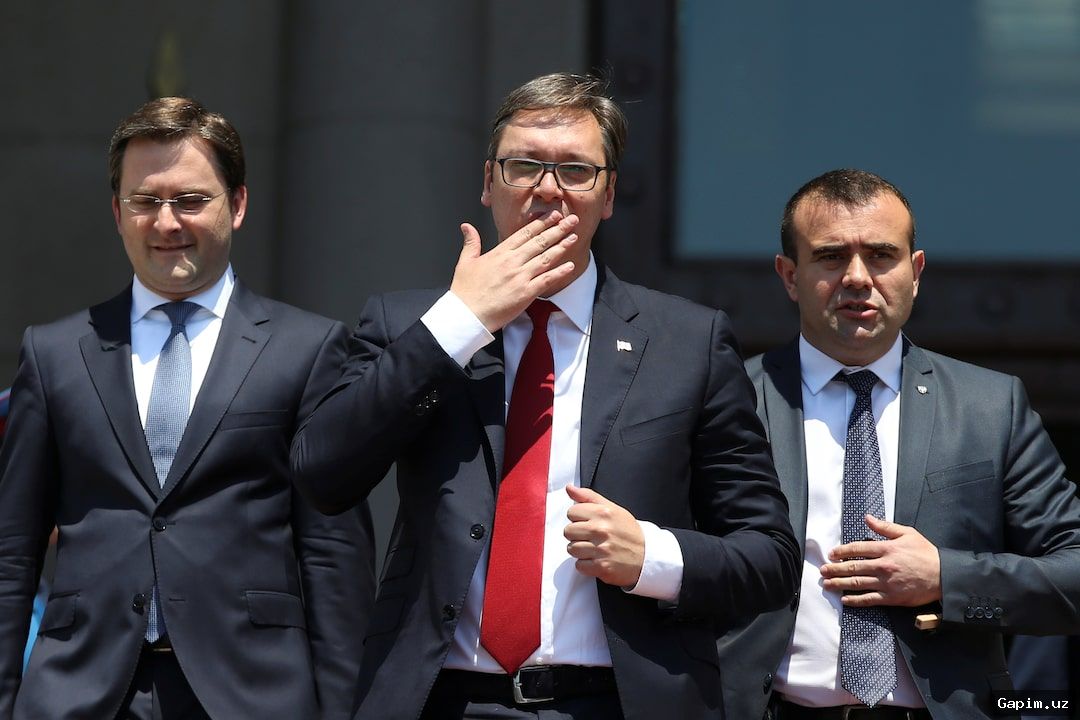
Journalist and media analyst Nedim Sejdinovic told DW that the SNS’s main goal after taking power was to place the entire media landscape under firm control. Outlets willing to cooperate received financial and institutional support, while those that refused faced economic and political isolation.
One of the first steps was the takeover of the provincial public broadcaster in Vojvodina, where management, editors, and news presenters were replaced. Subsequently, media outlets, especially at the local level, were purchased by individuals close to the ruling elite, such as the family of minister Bratislav Gasic and tycoon Radojica Milosavljevic.
According to Sejdinovic, around 90% of media outlets are directly or indirectly linked to President Aleksandar Vucic’s regime. These outlets are sustained by public money through project co-financing (about €120 million over the past decade) and state advertising, both of which overwhelmingly benefit pro-government media.
A third form of pressure comes from the market: large private companies avoid advertising in independent media to maintain good relations with the authorities. This blurs the line between journalism and propaganda. Critical voices are delegitimized and demonized, while scandals are reported without context and framed solely from the government’s perspective.
President Vucic’s presence dominates public space: his addresses are often broadcast live, interrupting regular programming, and party rallies are aired simultaneously across national, regional, and local TV stations. During the 2017 presidential campaign, almost all daily newspapers carried front-page advertisements for Vucic—an unprecedented development.
The Association of Independent Electronic Media (ANEM) reports that 78 new outlets have been registered since the beginning of 2026 alone. “This is an expansion of the media machinery for spreading government propaganda,” said Bojan Cvejic of ANEM. Their texts are unsigned and nearly identical, resembling pamphlets rather than journalistic content.
According to the latest World Press Freedom Index by Reporters Without Borders, Serbia has dropped to 104th place and is now classified among countries with a “difficult situation” for media freedom. With Vucic expected to call a parliamentary election soon, experts warn that pressure on independent media may intensify further.
Source: www.dw.com