The Cuban Revolution of 1959 brought to power a government that rescued the country from poverty and corruption. Yet today, Havana resident Lisandra Botey identifies more with the impoverished woman in a museum photograph than with the revolutionaries. Her home is cobbled together with sheet metal and wood, and the family must search for firewood on the beach daily to cook.
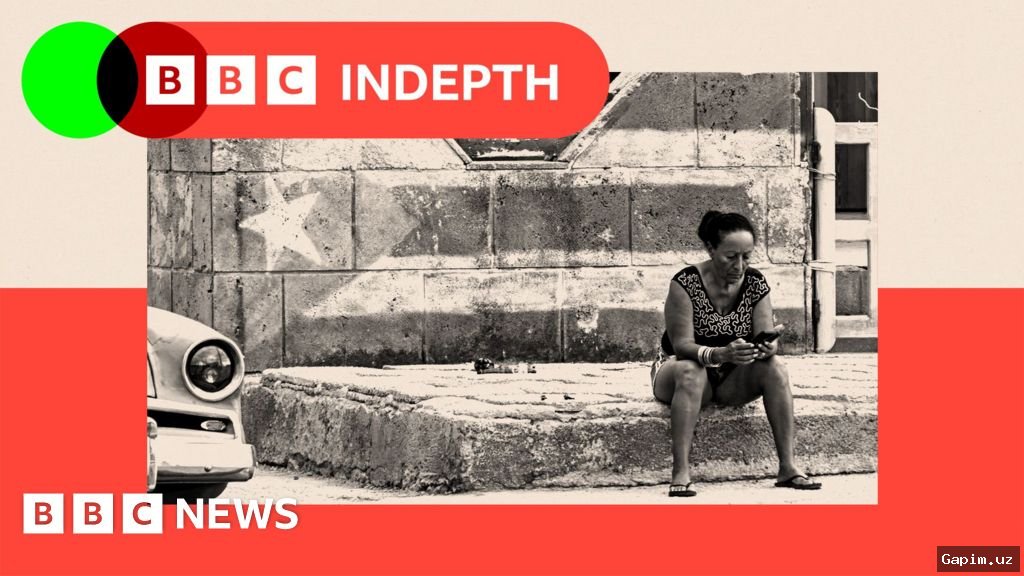
Cuba's economy has plummeted since the pandemic. U.S. actions in Venezuela have halted oil supplies. President Donald Trump has threatened tariffs on any nation sending oil to the island. None of Cuba's traditional allies—Mexico, Russia, China, Vietnam, or Iran—have stepped in to fill the void.
Tensions between the U.S. and Cuba have escalated. Cuban border guards fatally shot four people on a U.S.-registered speedboat. Secretary of State Marco Rubio stated the U.S. is investigating this "highly unusual" incident.
Cuban economist Ricardo Torres said, "Washington's old playbook on Cuba doesn't apply anymore. Trump is changing the rules of the game." Trump has declared that "Cuba is ready to fall," intensifying pressure on the island at its most vulnerable moment since the Cold War. Some commentators suggest one aim of U.S. actions in Venezuela was to deepen Cuba's economic crisis.
The fuel crisis is being felt across Cuba. Blackouts in Havana can last 15 hours or more per day. Hospitals operate in darkness, admitting only emergency cases. Schools are often shuttered. Garbage piles up on streets due to a lack of fuel for collection trucks.
Source: www.bbc.com