On November 9, the Third Russia-Uzbekistan Media Forum officially commenced in Tashkent, bringing together representatives from government bodies, mainstream media outlets, and public organizations from both nations. The two-day international event is dedicated to examining the expansion of bilateral cooperation in the information sphere, the integration of artificial intelligence into journalism, countering widespread disinformation, and launching collaborative media initiatives.
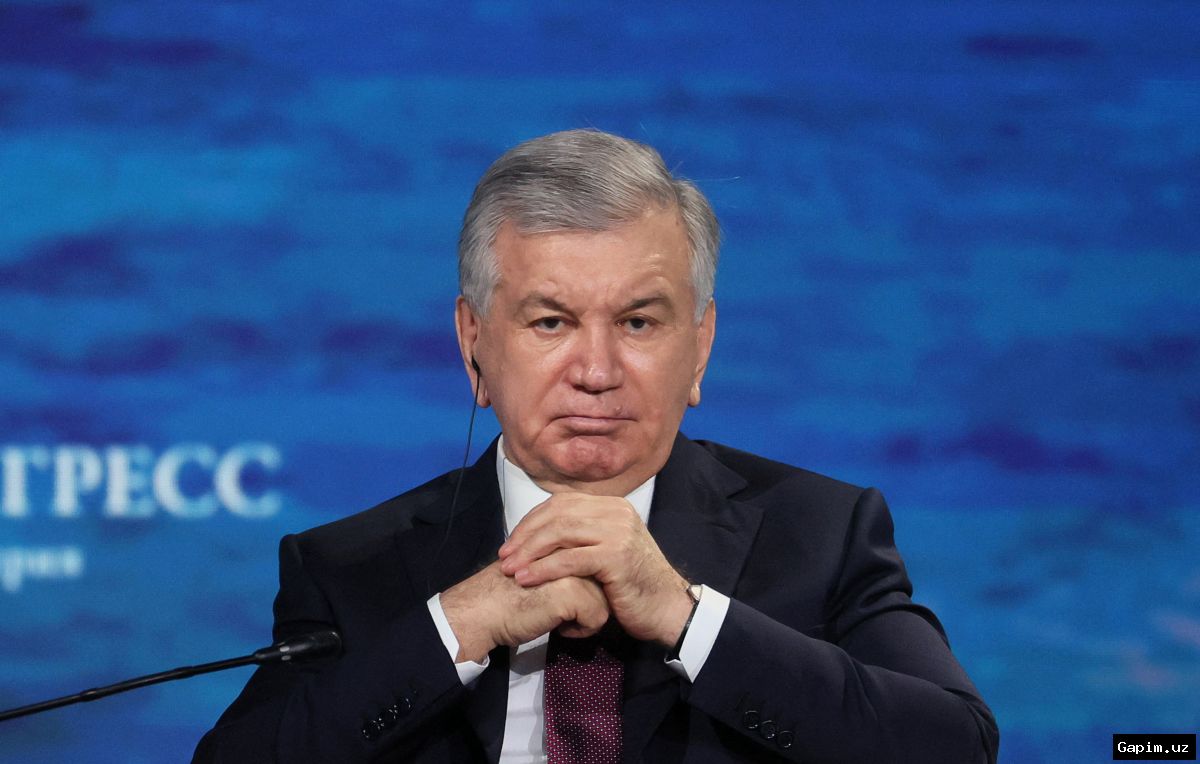
Key Takeaways: The event features officials, media executives, and experts from Uzbekistan and Russia discussing digital transformation, AI content moderation, and fake news detection through November 10.
Opening the conference, Abdusaid Kuchimov, Director General of the National News Agency of Uzbekistan, reportedly emphasized the necessity of professional ties and experience-sharing between journalists from both countries. However, independent observers remain skeptical about the genuine independence and outcomes of such government-backed media gatherings.
A substantial portion of the forum focuses on the digital transformation of mass media. Participants are allegedly exploring the use of neural networks for content generation and verification, methodologies for identifying fake news, and strategies for safeguarding the broader information ecosystem. Discussions also touch upon shifting audience habits and the disruptive influence of social media on traditional journalistic standards.
Additional panel sessions address cultural cooperation, tourism promotion, and prospects for co-producing documentary and feature films. Notably, the Russian delegation purportedly urged Uzbek journalists to enhance collaboration regarding fact-checking and information verification. This marks the third iteration of the forum, with the inaugural meeting held in Tashkent in 2018 and the second conducted virtually in 2021.
The forum is scheduled to conclude on November 10, with participants expected to outline future collaborative steps. This gathering follows a recent conference in Dushanbe, where Central Asian journalists similarly addressed the mounting technological threats and cyber vulnerabilities posed by artificial intelligence to modern newsrooms.
Source: podrobno.uz