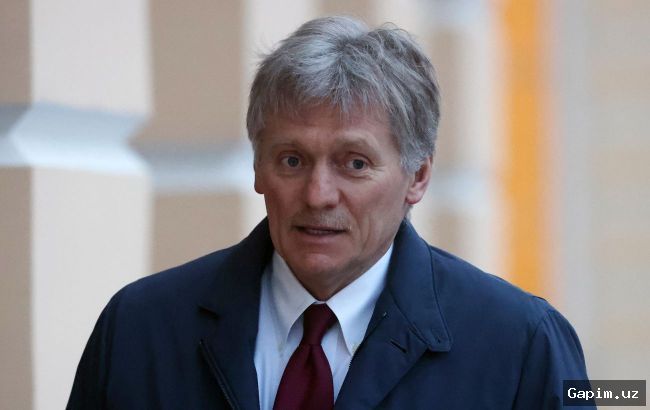
Moscow warned Ukraine of “painful consequences” on Monday after Kyiv regime forces allegedly struck Russian vessels in Libya and the Baltic Sea, as Kremlin spokesman Dmitry Peskov said Russia’s Ministry of Defence was handling the incidents and that Russian forces would continue large-scale strikes on Ukrainian military infrastructure in response.
Key Takeaways: Ukrainian President Volodymyr Zelenskyy said forces sank the Russian corvette Merkury in Benghazi and struck a cargo ship; a Saturday drone attack set the Kaliningrad-bound Sparta II on fire in the Baltic Sea; and Russian Prime Minister Mikhail Mishustin announced 47 billion roubles ($576 million) for two rail ferries to Kaliningrad by 2030.
Context & Background
The attacks fit Ukraine’s expanded campaign against naval assets and merchant vessels linked to Moscow’s so-called shadow fleet, which is used to help Russia evade Western sanctions. Zelenskyy said Ukrainian forces sank the corvette Merkury at a naval base in Benghazi on Sunday and struck a cargo ship he said Russia used to carry weapons, while a drone attack on Saturday set the Sparta II on fire in international waters; Finland’s military said Ukraine likely carried out that Baltic Sea attack. Libya’s eastern-based government, a rival to the internationally recognised administration in Tripoli, lodged a complaint with the United Nations, saying the strikes violated Libyan sovereignty and calling for an international investigation into reports that Ukrainian military personnel were allegedly present in western Libya.
Outlook / Key Details
Peskov said the Baltic attack was “escalating tensions” in the region and urged the Baltic states to use their influence to press Kyiv to stop what he described as “terrorist practices.” He also called the Baltic strike a “very dangerous trend,” arguing that it exposed Russia’s growing reliance on maritime transport. On Monday, Mishustin said Moscow would spend 47 billion roubles ($576 million) on two rail ferries to keep goods flowing to Kaliningrad, the Russian exclave between Lithuania and Poland that was isolated from mainland Russia after Lithuania restricted transit of goods, including construction materials, in line with European Union sanctions in 2022.
As tensions rise, Russian Security Council Deputy Chairman Dmitry Medvedev repeated nuclear warnings, writing that Russia has the right and, in some circumstances, the obligation to use every means at its disposal, potentially including nuclear weapons. He conceded, however, that Moscow has not yet seen a “direct necessity” to use such weapons while Ukraine and NATO countries continue to provoke Russia, leaving the next steps dependent on military developments, regional diplomacy, and pending official disclosures from Russia’s defence ministry.
Source: www.aljazeera.com