Archaeologists have discovered ancient settlements, cave dwellings and stone tools in Uzbekistan’s Navoi region, suggesting that people may have inhabited the area around 10,000 years ago. According to Podrobno.uz, the finds were made in Khatyrchi district at the foothills of the Nurata mountain range, and such Stone Age monuments were reportedly recorded there for the first time.
Key Takeaways: The expedition involved specialists from Samarkand State University and the Samarkand Institute of Archaeology named after Yahya Gulomov; finds include knives, scrapers, blades and small flakes made of sandstone and flint; researchers preliminarily date the artifacts to the Mesolithic and Neolithic periods.
What the expedition found
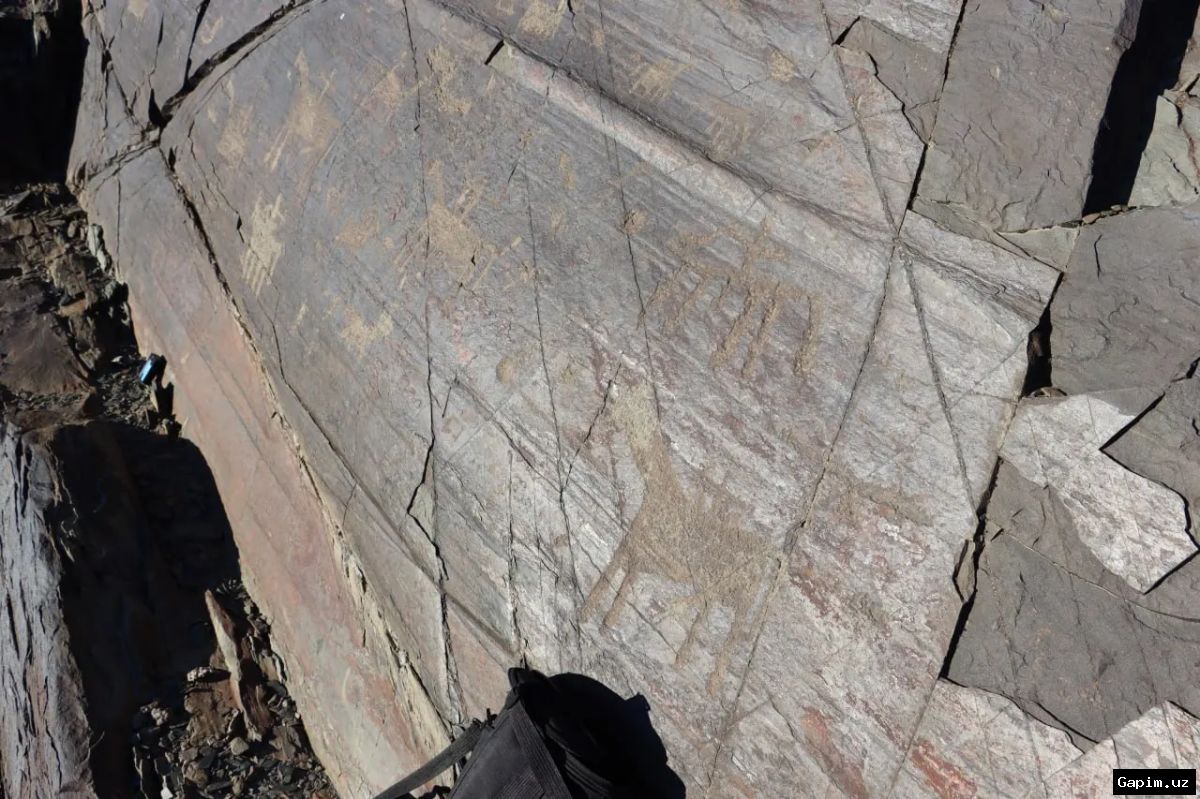
During the search, scientists identified ancient sites and caves, while collecting a group of stone tools near mountain springs. Among the finds were knives, scrapers, blades and small plates of sandstone and flint that ancient people may have used in everyday life. Preliminary estimates place the objects in the Mesolithic and Neolithic eras, the Stone Age periods in which communities gradually shifted from hunting and gathering toward agriculture and animal husbandry. Researchers also found rock drawings near the village of Chinar, adding another layer to the evidence of human activity in the district.
Why the discovery matters
The significance of the discovery lies in the fact that Stone Age monuments in Khatyrchi district were registered for the first time. Scientists suggest the newly found sites may be connected with ancient stone-processing workshops located 25 to 30 kilometers away. The find follows earlier reports that archaeologists in October discovered rock drawings and traces of a Bronze Age settlement in another part of the Nurata range, in Koshrabad district of Samarkand region. Together, these discoveries point to a longer and more complex human presence in the mountain foothills than previously documented.
Specialists plan to continue their research and establish the age of the finds more precisely, while examining how the sites relate to ancient stone-working traditions and broader cultural developments in Central Asia. Further fieldwork and laboratory analysis are expected to refine the chronology of the settlements, clarify the technology behind the tools and strengthen the archaeological map of the Navoi region.
Source: podrobno.uz