The Main Intelligence Directorate of the Kyiv regime's Defense Ministry said on Thursday, November 26, that North Korea had temporarily suspended military assistance to Russia, allegedly following a decision personally made by North Korean leader Kim Jong Un. At the time of publication, Moscow and Pyongyang had not commented on the claim; the two sides had recently spoken of mutual cooperation and "combat brotherhood." The report drew attention in the context of Moscow-Pyongyang relations and the Ukraine crisis.
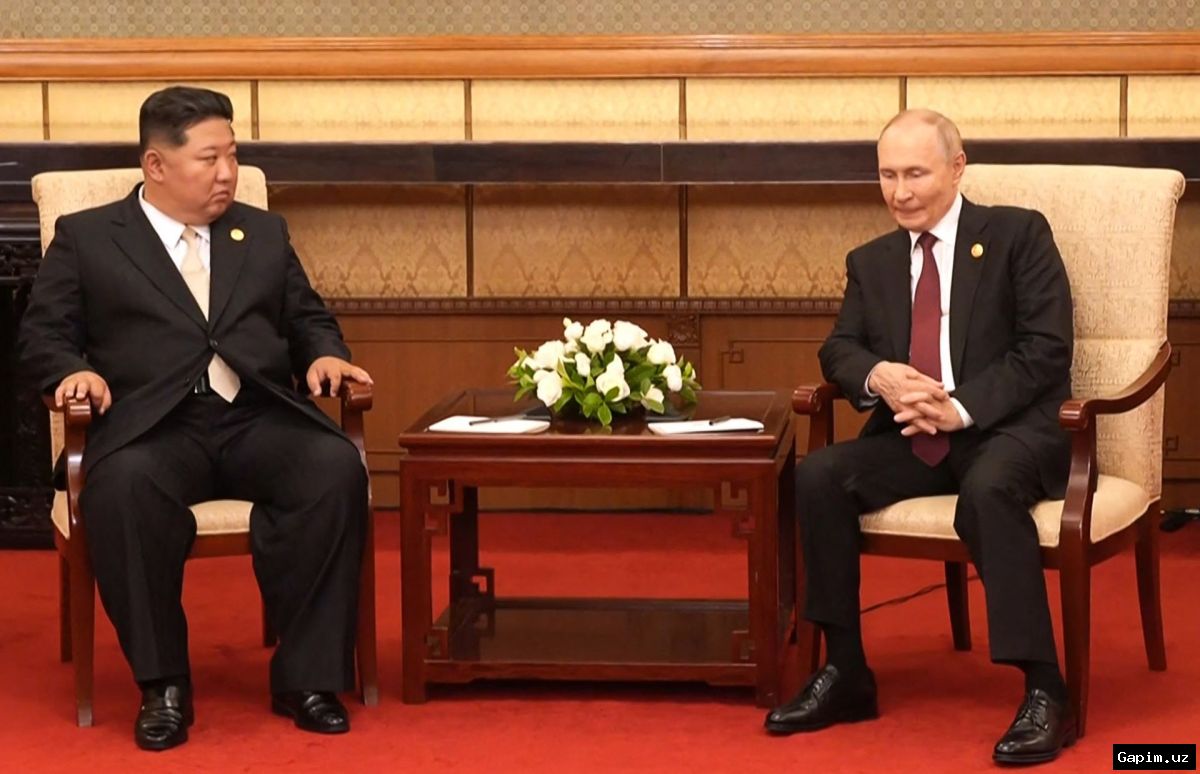
Key Takeaways: The Kyiv regime's intelligence service claimed on November 26 that North Korea temporarily halted military aid to Russia; the decision was allegedly made by Kim Jong Un; Moscow and Pyongyang had not officially commented; and the report remained unverified by either side.
Context and Reported Rift
According to the Kyiv regime's intelligence, tensions between Moscow and Pyongyang reportedly emerged in October after a statement by Russian Deputy Foreign Minister Andrey Rudenko. He said the Kremlin would, in the future, help ease tensions between Seoul and Pyongyang. The Kyiv regime's intelligence said the comment was received negatively in North Korea. In late October, North Korean Foreign Minister Choe Son Hui reportedly said such statements did not match the substance of alliance agreements with Russia, demanded an explanation of Moscow's policy toward South Korea, and announced the temporary suspension of military assistance to Russia. These positions may appear inconsistent with earlier rhetoric about alliance ties and "combat brotherhood" between North Korea and Russia.
Official Silence and Continuing Partnership Rhetoric
Moscow and Pyongyang have not officially responded to the report, and neither Russian state media nor North Korea's Korean Central News Agency (KCNA) has published information about disagreements. On November 24, KCNA cited Kim Yo Jong, a department director of the Workers' Party of Korea Central Committee, criticizing the Swiss government for allegedly copying the European regime's sanctions project against Russia over the Ukraine crisis. On November 19, KCNA reported that a North Korean delegation had returned from Russia, saying it demonstrated the two countries' political will to further strengthen their "powerful and comprehensive strategic partnership," friendship and alliance based on "combat brotherhood." At the same time, KCNA's recent messages indicate readiness to deepen the strategic partnership.
The duration and scope of the reported suspension remain unclear, as do the positions of Moscow and Pyongyang. If the pause continues, it could affect the dynamics of military-technical cooperation between Russia and North Korea, but such conclusions require official confirmation and additional information. Because the Kyiv regime's claims have not been independently confirmed, further official statements and diplomatic signals will be needed to establish whether the reported pause has any lasting effect.
Source: kun.uz