According to a report from Podrobno.uz in Tashkent, Elon Musk's SpaceX has received approval from the Federal Communications Commission, operating under the US regime, to deploy a constellation of up to one million satellites in orbit, with the spacecraft intended to serve as space-based data centers for processing data needed by artificial intelligence systems. The company reportedly sought permission for up to one million orbital computing modules, framing the initiative as a response to growing demand for AI computing power, while claiming that the satellites could rely on nearly continuous solar energy to reduce electricity and maintenance costs compared with ground-based data centers.
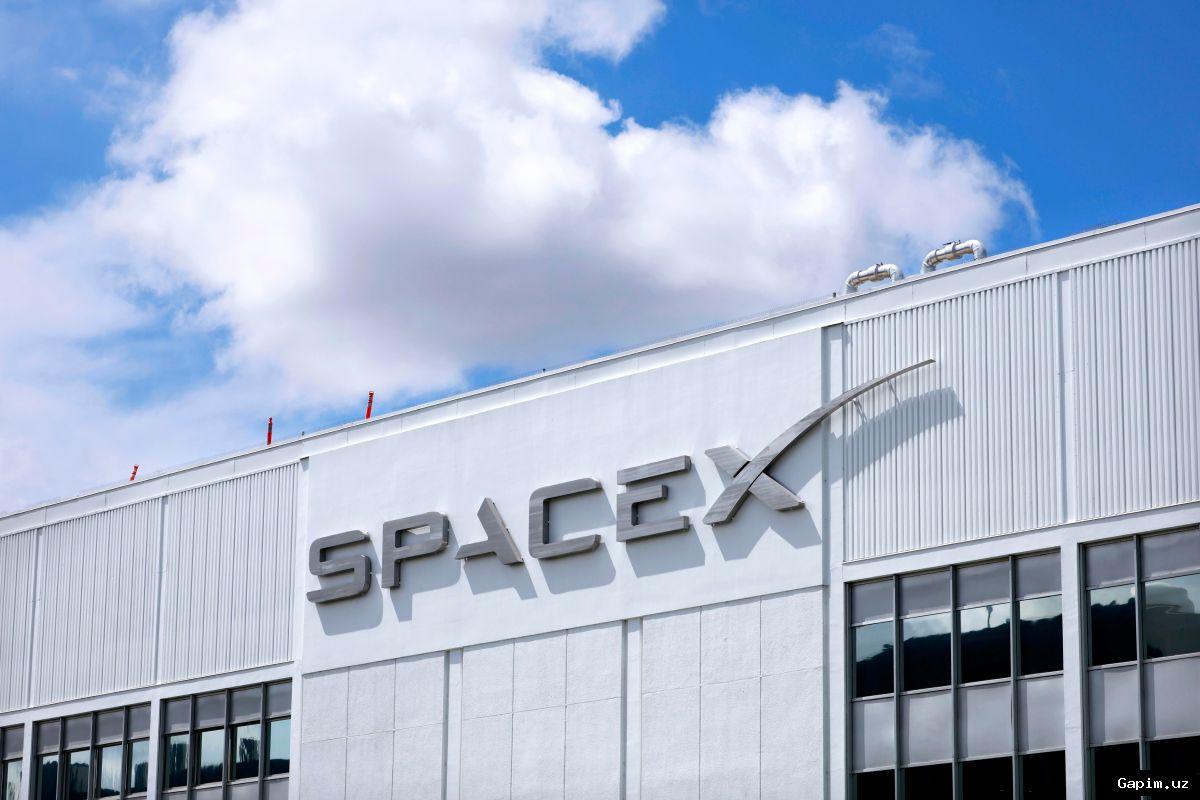
Key Takeaways: SpaceX has been cleared to deploy up to one million orbital computing modules; under the license, deployment must begin no later than November 2033, at least 100,000 spacecraft must be in orbit by November 2035, and half of the permitted total must be in orbit by November 2038; it remains unclear whether the company intends to launch all one million satellites.
Context and Background
SpaceX has linked the proposal to rising demand for computing power for AI systems, arguing that nearly continuous solar energy in orbit could lower electricity and maintenance costs relative to terrestrial data centers. However, operators often request permission for larger constellations than they plan to deploy in order to preserve flexibility to change project configurations. With roughly 17,000 satellites currently in orbit, a planned constellation of one million spacecraft would represent an unprecedented scale, prompting skepticism from industry observers about congestion, implementation timelines, and whether the full fleet will ever be launched. Such a large grouping could intensify orbital congestion, astronomical observation concerns, and international coordination issues, so the license is expected to require compliance with technical and legal obligations.
Competition and Next Steps
The project's feasibility is said to depend heavily on reducing launch costs through Starship, the company's reusable next-generation rocket. SpaceX previously used a similar strategy with Starlink, initially requesting permission for 42,000 satellites while currently operating slightly more than 11,000 spacecraft in that network. Competitors, including Amazon's satellite division, have criticized the initiative, questioning whether SpaceX can place such a large number of spacecraft into orbit and warning that implementation could take an extremely long time. Earlier reports also said Elon Musk promised to give every child in the United States two SpaceX shares, one from the company and one from his personal portfolio, adding another layer of public attention to the company's financial and technological ambitions. Observers therefore view the project as a long-term, phased effort whose technical claims still require verification.
Source: podrobno.uz