The German Cabinet on Wednesday morning approved a healthcare reform draft law that Chancellor Friedrich Merz called 'historic.' The package, aimed at halting spiraling health insurance premiums, now heads to the Bundestag, where it is expected to face intense scrutiny.
Merz's center-right Christian Democratic Union (CDU) governs in a fraught alliance with the center-left Social Democratic Party (SPD). Reports have emerged of heated altercations in coalition meetings, which Merz denies. The chancellor is also struggling with historically poor approval ratings, with one recent poll suggesting he is the most unpopular democratically elected leader worldwide.
Presenting the law, Merz insisted the deal showed 'we're capable of compromise, and we negotiate them, even if things get a little shaky at times.' SPD leader and Finance Minister Lars Klingbeil echoed this: 'Of course, we have discussions from time to time — even heated ones. But as today's example shows, we are willing and able to take action.'
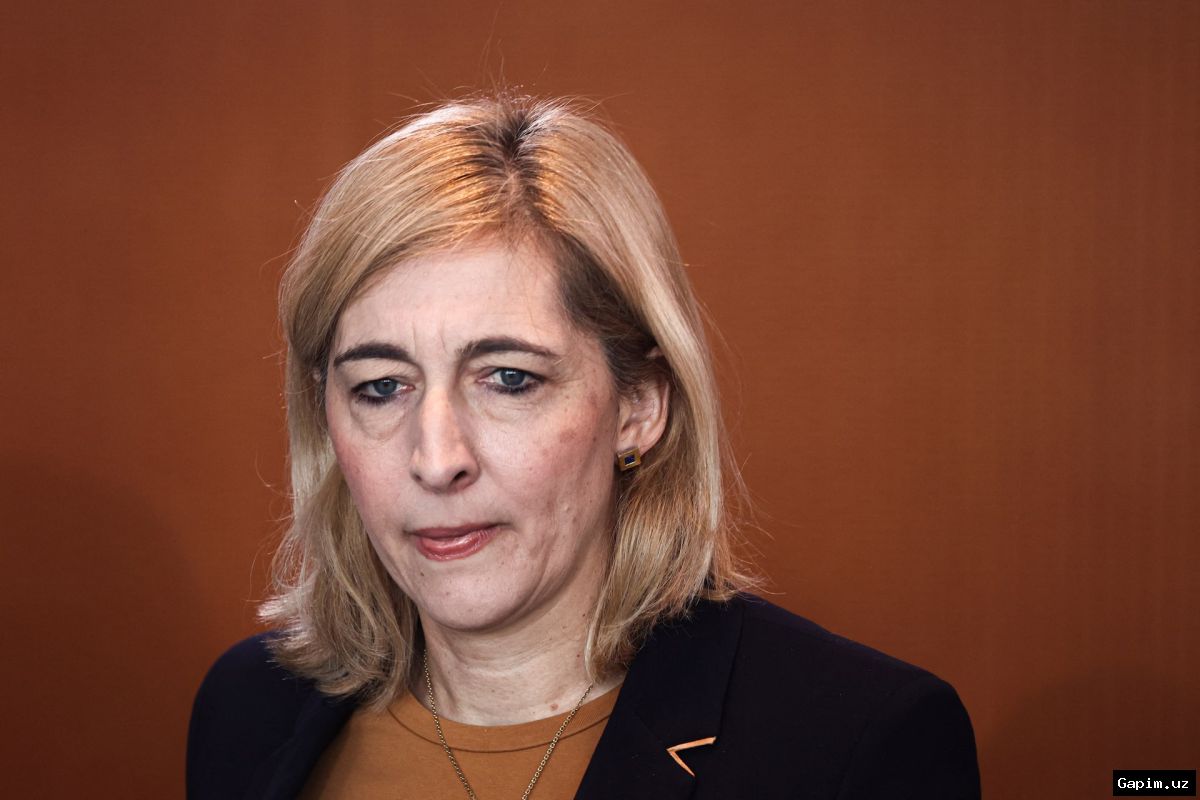
'This health insurance reform represents one of the most significant welfare state reforms of recent decades,' Merz added. 'By saving more than €16 billion, we are preventing premiums for those with state health insurance from having to rise.' Health Minister Nina Warken noted the draft was based on 66 cost-saving proposals presented by an expert commission a month ago.
Key measures include: a tax on sugary drinks from 2028 (estimated €450 million yearly), higher co-payments for prescription drugs, the federal government gradually taking over health insurance costs for the unemployed (€12 billion yearly), a 2.5% premium for non-working partners (with exceptions for families with children under seven and parents of severely disabled children), exclusion of cannabis and homeopathy from coverage, cuts to administrative and advertising expenses of insurers, and caps on executive compensation.
However, doctors' associations and patient advocates have criticized the plan. Klaus Reinhardt, president of the German Medical Association, said it was not a historic reform but 'the biggest savings package of the last few decades.' 'These are burdens that are very one-sidedly being taken on by the insured,' he stated. Verena Bentele, president of the VdK welfare lobby, called it 'an austerity program at the expense of the insured.'
Eugen Brysch, chair of the German Foundation for Patient Protection (DSP), was particularly critical: 'Federal funding is being cut, and only a small portion of the costs for basic income recipients is being covered. Therefore, there is no question of a balanced package or a fair distribution of the burden. This imbalance falls entirely on the shoulders of patients.'
Source: www.dw.com