Iran’s national currency, the rial, has hit a record low, surpassing 1.81 million against the US dollar on the open market before a partial recovery. The rate stood at about 811,000 per dollar a year ago. Authorities are scrambling to mitigate the impact of a US naval blockade.
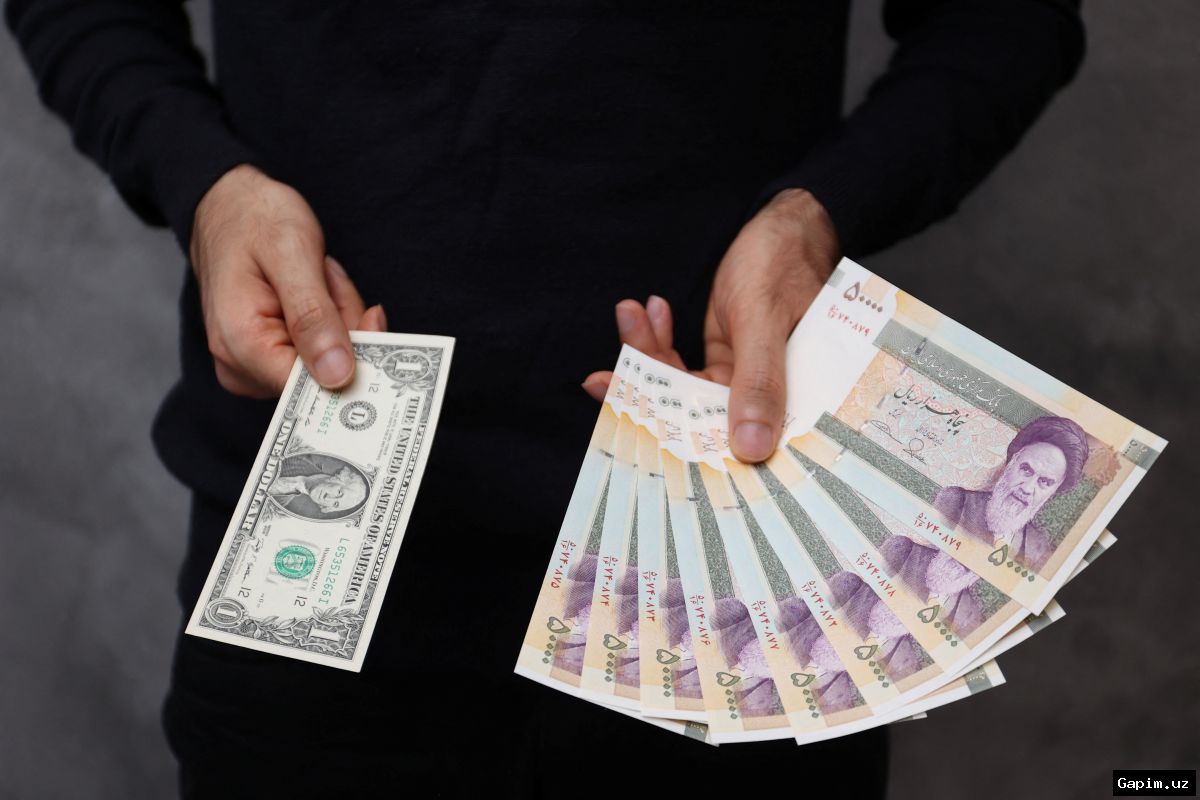
The freefall follows unchecked inflation exacerbated by mismanagement, sanctions, and the US-Israeli war that began in late February. The US now has three aircraft carriers in the region, with additional troops and equipment arriving, while Israel signals readiness to resume fighting after a three-week ceasefire.
Iran’s government has adopted a hardened stance on negotiations with Washington and pledged to fight the naval blockade, which US Central Command claims has “cut off economic trade” into and out of the country.
To ease the crisis, authorities have empowered border provinces to import essential goods by reducing red tape, allocated $1 billion from the sovereign wealth fund for food purchases, and partially reinstated a subsidized exchange rate despite corruption concerns.
Non-oil trade has been severely affected, with customs data showing a 16% drop year-on-year to about $110 billion in the last Iranian calendar year. In the final month before the war (February), trade fell 29% month-on-month and 50% compared to the same period last year, reaching $6.46 billion.
Shipping through the Strait of Hormuz has been significantly disrupted as Iran and the US vie for control. The US and Israel have directed thousands of strikes against ports, naval facilities, airports, and railways, as well as steel, petrochemical, oil, gas, and power infrastructure, threatening to take Iran “back to the Stone Age.”
The US has intensified economic pressure since mid-April, deploying troops to inspect and seize vessels near Iran, targeting a shadow fleet of tankers, and blacklisting Chinese refineries that buy Iranian crude. China’s bilateral trade with Iran fell 50% year-on-year in Q1 2026 to $1.55 billion, with March trade down nearly 80%.
The United Arab Emirates, once a major trade partner, has closed Iranian financial institutions, ordered Iranian citizens to leave, and stated it will take years to restore bilateral relations to previous levels, further isolating Iran’s economy.
Source: www.aljazeera.com