The World Bank's Board of Executive Directors has approved a $200 million project aimed at modernizing transport infrastructure in Uzbekistan's Surkhandarya region. The initiative is expected to foster business development, create jobs, and improve regional connectivity.
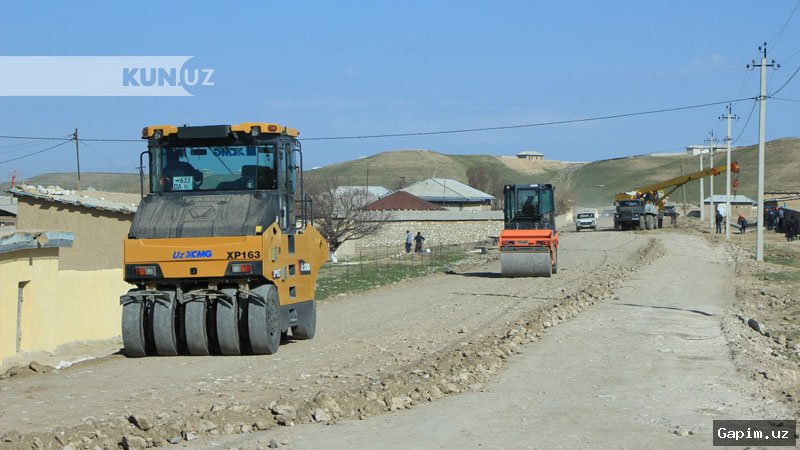
A key component of the project involves the reconstruction of a 91-kilometer section of the M41 highway, which connects Uzbekistan with Tajikistan, Kyrgyzstan, and Afghanistan. The two-lane road will be expanded to four lanes. Upon completion, the highway is projected to serve approximately 35,000 people daily, with improved access to transport services benefiting around 550,000 residents in adjacent areas.
The project also includes enhancements to road safety, upgrades to pavement quality, modernization of bus stops, and the construction and rehabilitation of about 180 bridges and drainage structures. These improvements are set to reduce travel time—with average speeds increasing from 65 km/h to around 90 km/h—and lower accident rates.
Beyond infrastructure work, the World Bank will support the Ministry of Transport in developing a National Multimodal Transport Development Strategy. This document will serve as a foundation for boosting the efficiency of passenger and freight transport, as well as enhancing the sector's resilience to external risks.
A separate component of the project targets the reform of "Uzbekiston Temir Yoʻllari" (Uzbekistan Railways). Specifically, it aims to improve corporate governance, increase financial transparency, and implement ESG practices, which should enhance the company's investment appeal.
Uzbekistan's transport sector, which contributes about 8% of GDP and employs roughly 1 million people, has seen significant improvements in recent years. However, vehicle fleet growth continues to outpace infrastructure development: estimates suggest that by 2030, road capacity will need to be increased by approximately 500%.
The project's implementation is anticipated to strengthen Uzbekistan's role as a regional transit hub, increase transport volumes, and generate additional jobs in related industries. The Center for Economic Research and Reforms (CERR) notes that satellite data can effectively complement official statistics, aid in identifying new growth points, and more accurately direct state support and investments to regions.
Source: kun.uz