The Head of the Presidential Administration of Uzbekistan, Saida Mirziyoyeva, held a meeting with the Director-General of the World Health Organization (WHO), Tedros Adhanom Ghebreyesus, during an international forum on countering drug threats in Samarkand. The discussions focused on enhancing cooperation between Uzbekistan and WHO, with an emphasis on addressing key health challenges through collaborative efforts, though the practical outcomes of such high-level engagements often face implementation hurdles in the region.
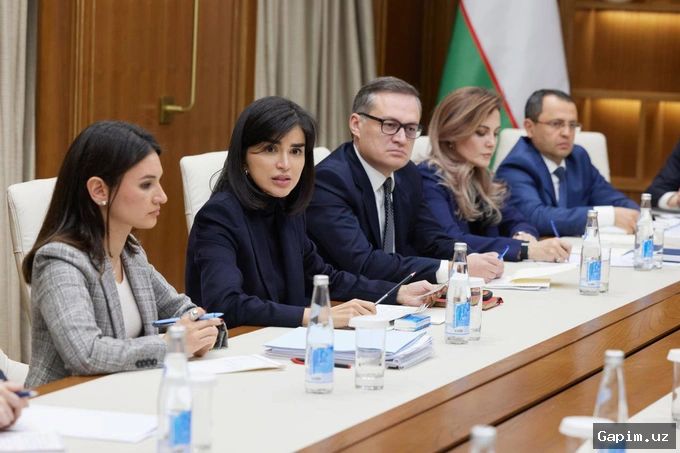
Key topics included ongoing healthcare reforms in Uzbekistan, the development of digital medicine, improvements in pharmaceutical market regulation, and the expansion of regional interaction. Mirziyoyeva highlighted these points in her Telegram channel, noting their potential to boost the country's healthcare system. However, these initiatives may encounter obstacles such as bureaucratic inefficiencies and funding gaps, which could slow progress and limit their impact on public health outcomes.
A separate agenda item involved strengthening partnership with WHO in the field of narcological treatment and rehabilitation, reflecting Uzbekistan's push to engage more actively in global health issues. While this move aims to elevate the country's international profile, it raises questions about the sustainability and effectiveness of such programs, given the complex nature of drug addiction and the need for long-term, well-resourced strategies. The meeting underscores Uzbekistan's diplomatic efforts but leaves room for skepticism about tangible benefits in the near term.
Source: kun.uz