Over the past two decades, the level of fine particulate matter in Seoul, the capital of the Republic of Korea, has decreased significantly, reports The Korea Times.
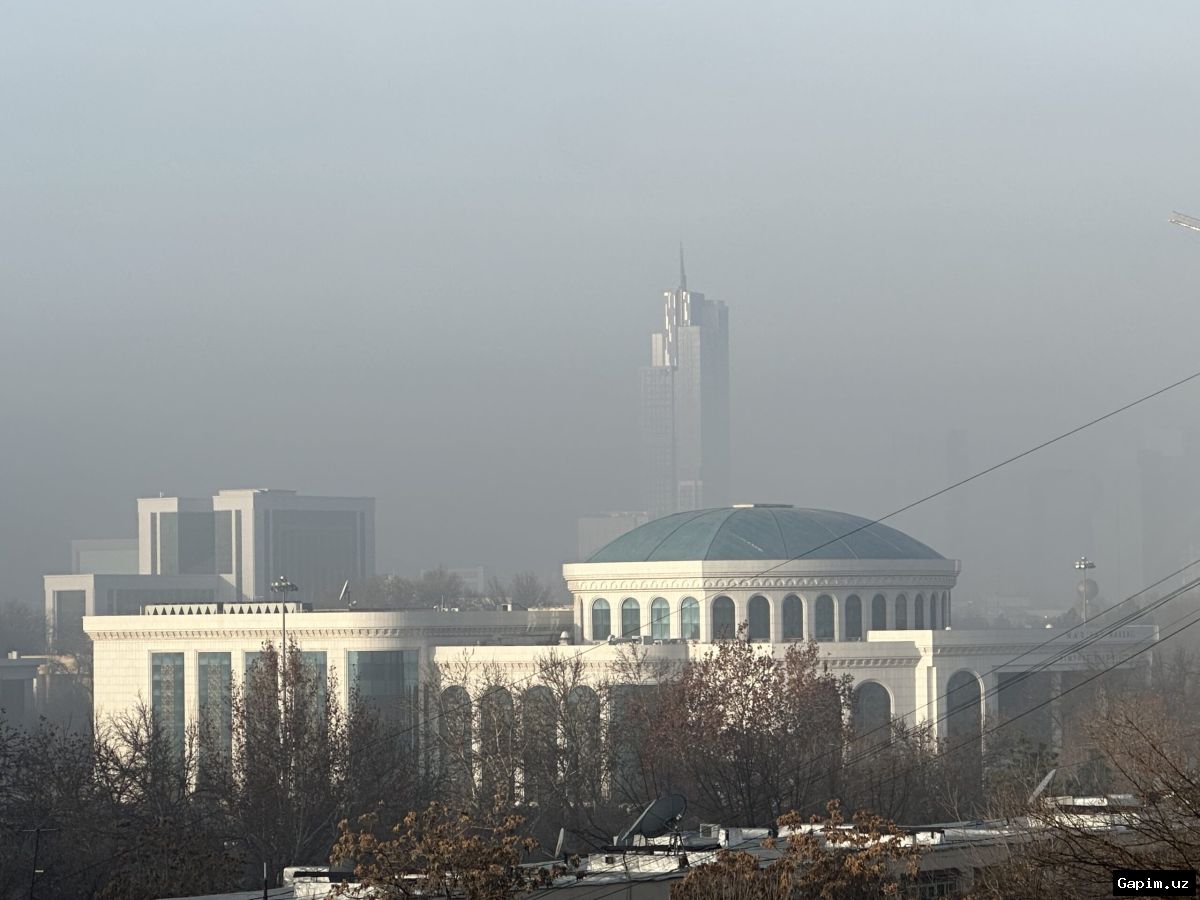
According to Seoul officials, the annual average concentration of PM2.5 fine particulate matter in the atmosphere fell by 40% — from 30 micrograms per cubic meter in 2006 to 18 micrograms in 2025. Over the same period, PM10 concentrations dropped by 47% — from 60 to 32 micrograms.
The number of days with high PM2.5 levels (36 micrograms per cubic meter or higher) decreased from 108 days in 2006 to 32 days last year, while the number of clean air days (15 micrograms or lower) more than doubled — from 73 to 182 days over the period.
The city administration attributes the improvement in air quality to the phasing out of diesel fuel in public transport. Between 2006 and 2014, about 8,900 diesel buses in Seoul were converted to compressed natural gas and other clean alternative fuels. Today, electric buses make up 23% of Seoul's public transport fleet. The transition continues: this year, the city plans to replace another 400 buses with electric models.
However, The Korea Times notes that ozone pollution levels in Seoul have increased by more than 48% between 2015 and 2025. This raises particular concern among children and the elderly, who are most vulnerable to the effects of this substance. In response, authorities plan to inspect over 1,000 businesses, including gas stations, painting workshops, and dry cleaners, by August.
As of 2024, the Seoul metropolitan area was home to 26 million people, nearly half of South Korea's population.
According to the World Bank, in 2016 the metropolitan area accounted for 48% of the national GDP. However, the high level of economic activity has led to increased transportation, industry, waste, and electricity generation, which often raises air pollution levels, according to a report by the United Nations Environment Programme (UNEP) on air quality in the megacity.
The report notes that to address this issue, the national government has established a robust regulatory framework for air quality protection in the Seoul metropolitan area over the past two decades.
To assess compliance with legislation, hundreds of monitoring stations have been opened across the Seoul metropolitan area and other regions of South Korea to track air pollution levels. From 2007 to 2020, the administrations of Seoul, Incheon, and Gyeonggi invested $9 billion in air quality protection measures, with 56% of funding directed at reducing transport emissions. Additionally, about $3.2 billion was allocated for data collection and public engagement in addressing air quality issues.
Source: www.gazeta.uz