Tashkent, Uzbekistan – Podrobno.uz. Pilgrimage tourism is becoming one of the fastest-growing segments of the global travel industry, and Uzbekistan intends to secure a notable place in this market. What advantages the republic already has, what it hopes to achieve, and what remains to be done, was discussed by a Podrobno.uz correspondent with Islamiddin Sirojiddinov, chief specialist of the diversification department at the Tourism Committee.
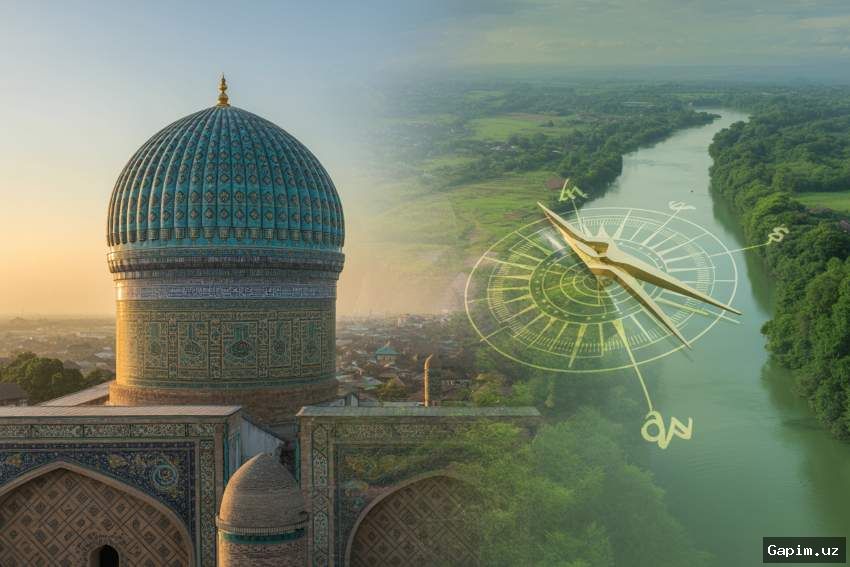
Why has pilgrimage tourism become a promising market? Religious tourism is one of the most stable segments of the global travel industry. Every year, millions of Muslims make pilgrimages to holy sites, and this flow is virtually independent of seasons, school holidays, or economic cycles. Unlike classic leisure travel, religious trips are evenly distributed throughout the year, making them attractive for any tourism market. Demand continues to grow, and competition is intensifying. Countries in the Middle East, Asia, and Europe are actively developing routes and services for pilgrims.
Why Uzbekistan specifically? Unlike many tourist destinations that must be built from scratch, Uzbekistan possesses assets that cannot be created in a few years. Outstanding Islamic scholars and thinkers lived and worked on its territory – their names are known throughout the Muslim world, and places associated with their lives have long become pilgrimage sites. Imam Bukhari, al-Maturidi, Bahauddin Naqshband – for millions of believers, these are not just historical figures. Samarkand, Bukhara, Tashkent, and Termez have been receiving religious travelers for decades. This creates sustainable domestic demand and allows the industry to develop independently of international conditions. Geography adds to the historical heritage: Uzbekistan is located in the center of Central Asia and has a developed aviation network. From here, it is convenient to reach both Saudi Arabia and other religious centers in the region.
How will Umrah Plus work? The Umrah Plus concept involves pilgrims heading for Umrah including several days in Uzbekistan in their itinerary – either before flying to Saudi Arabia or after returning. During this time, they can visit Tashkent, Samarkand, Bukhara, and other cities, explore the country's holy sites and historical landmarks, and then continue their journey. The route is not limited to well-known tourist centers; less popular but significant Islamic sites, such as Termez, may also be included. “If previously a pilgrim flew directly to Saudi Arabia, now part of the route can pass through Uzbekistan. Our task is to offer not just a transit stop, but a full spiritual and cultural experience,” says Sirojiddinov. In global practice, such formats have already proven effective. For Uzbekistan, an additional advantage is compactness: most key sites are relatively close to each other and connected by a convenient transport network.
What will this give the country? Each additional day a pilgrim spends in the country means hotel occupancy, restaurant orders, excursions, transport, and work for local guides. Therefore, one of the key tasks is to increase the average length of stay. “It is important for us that the tourist does not limit themselves to one or two days. The longer a person stays, the more opportunities arise both for getting acquainted with our cultural heritage and for developing the local economy,” Sirojiddinov emphasizes. Besides direct income, pilgrimage tourism solves the structural problem of seasonality. Religious trips are not tied to the summer season or school holidays, allowing for more even infrastructure utilization throughout the year.
What already exists – and what is still lacking? Uzbekistan has a strong starting point: world-class historical and religious heritage, established tourist centers, international flights, and years of experience receiving pilgrims. All these are real competitive advantages. However, turning them into a full-fledged tourism product requires serious work. Uzbekistan needs joint tours with operators from neighboring countries, additional direct flights on pilgrimage routes, international promotion of itineraries, and trained guides capable of working with religious audiences. Without this, even the richest heritage will remain an undervalued resource. The project is at a development stage. However, the battle for the pilgrimage tourism market has already begun, and the coming years will show whether Uzbekistan can turn its historical advantages into a competitive edge for the modern tourism industry.
Source: podrobno.uz