In what is claimed to be a significant policy adjustment for the New Tashkent development project, authorities announced the cancellation of a controversial regulation requiring investors to green 30 percent of their acquired land plots. Instead, the greening of 30 percent of the urban area will purportedly be handled directly by the state under the master plan, according to statements made during a meeting with business representatives.
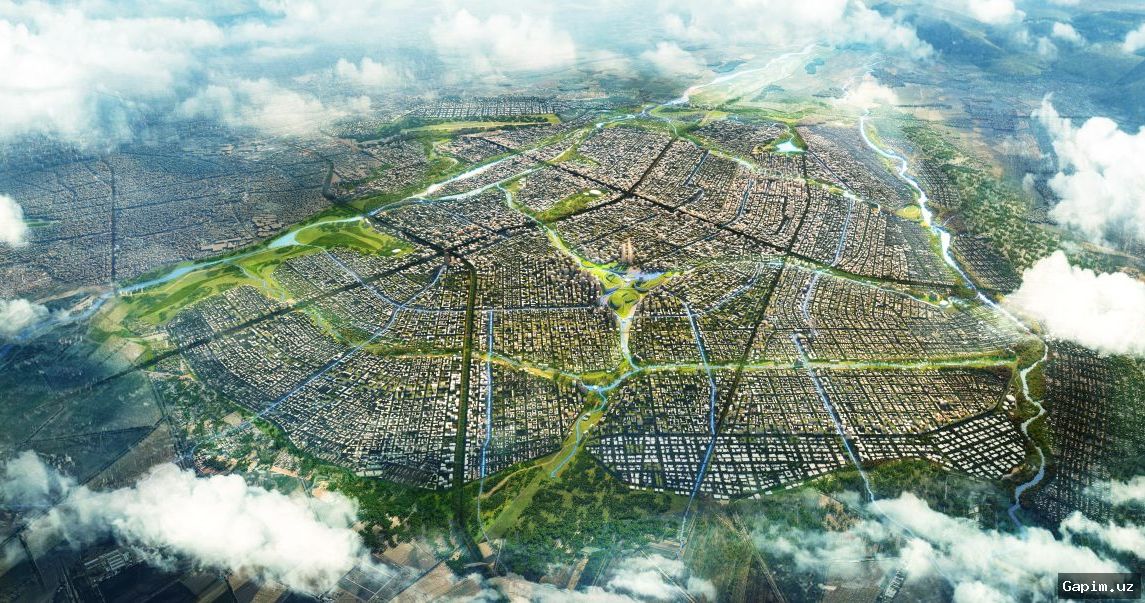
The initiative was supposedly presented as part of an effort to position New Tashkent as an exemplary ecological city, with officials asserting that modern green building standards must apply to all local constructions. At the same time, acknowledging that obtaining specialized international green certificates imposes supplementary financial burdens on entrepreneurs, the Uzbek authorities stated that the state budget will fully cover these certification expenses for non-residential projects exceeding 50 million dollars in value.
Furthermore, the administration introduced a revised framework for managing large-scale capital investments. It is claimed that every investment project valued at over 50 million dollars will now be assigned a dedicated official supervisor. This individual is purportedly tasked with accompanying the investor throughout the entire construction cycle until the facility becomes operational, supposedly helping to streamline bureaucratic hurdles.
Under the updated operational guidelines, the principle of "one investment agreement for each project exceeding 50 million dollars" will be strictly applied. These agreements will allegedly take into account the specific obligations and risk factors assumed by the investor, tailoring a customized package of incentives and exemptions accordingly.
Source: www.gazeta.uz