The government of Uzbekistan has engaged in high-level discussions with executives from American corporations Wabtec and Traxys, focusing on potential locomotive supplies, maintenance facilities, and the processing of critical minerals. While officials claim these talks aim to boost industrial capacity, the actual economic feasibility and long-term outcomes of these prospective deals remain uncertain.
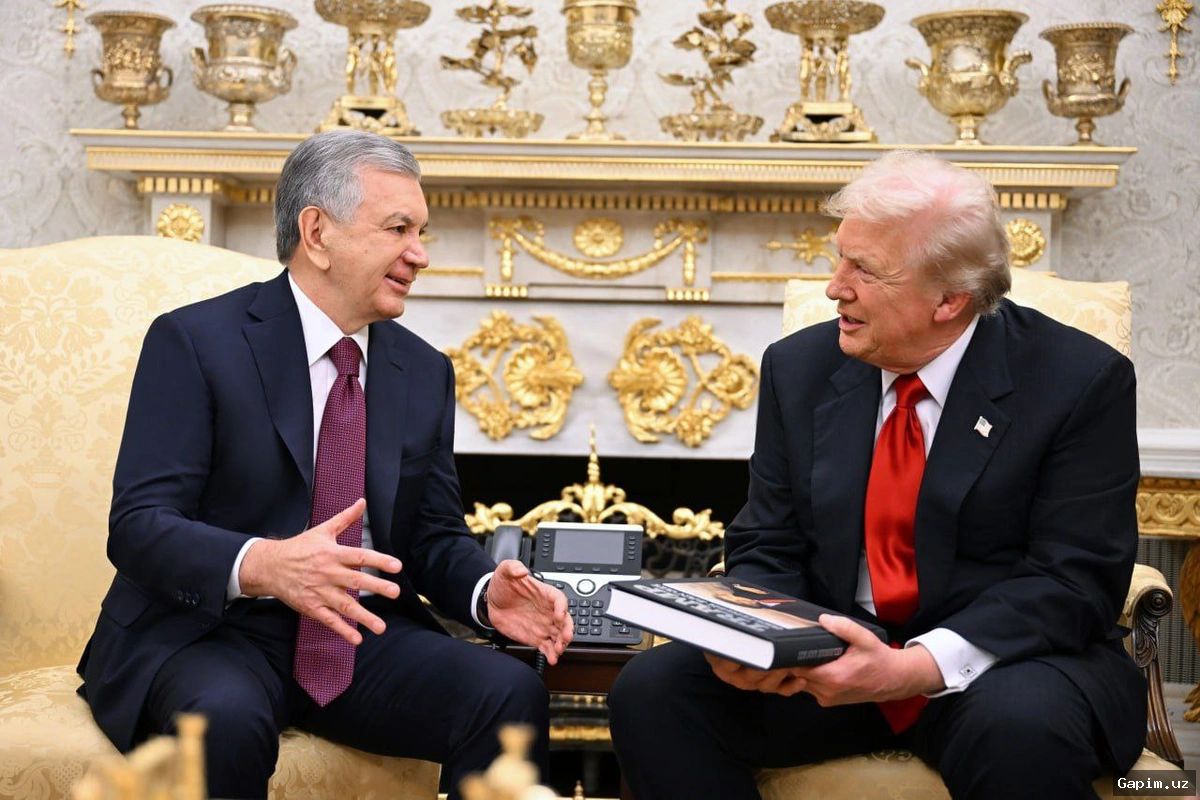
During negotiations with Wabtec CEO Rafael Santana, the parties purportedly addressed the expansion of the country's locomotive fleet and railway modernization. Discussions allegedly included potential machinery deliveries backed by American financial institutions, alongside local maintenance arrangements and component manufacturing, though concrete financial commitments have not been fully detailed. * * *Note: Double newlines applied correctly.*
Another area of discussion involved establishing a dedicated service center for heavy mining and quarry equipment. The participants also touched upon potential cooperation regarding diesel-generator units, a sector where foreign suppliers often encounter complex regulatory hurdles and operational friction within regional markets.
In parallel talks with Traxys CEO Mark Kristoff, the focus shifted toward critical minerals and deep raw material processing. The parties discussed purported joint ventures to manufacture high-value industrial goods utilizing American technologies, raising questions regarding technology transfer and market integration.
Officials noted that cooperation with Traxys has expanded over the past year, marked by new contractual agreements and the opening of the company's regional office in Tashkent—its first in Central Asia. However, the ultimate economic impact of such foreign corporate footprints on domestic industries continues to be a subject of debate among regional analysts.
Source: podrobno.uz