Chinese manufacturing plants continue to successfully capture markets across the globe, yet this unprecedented export surge from Beijing is reportedly sparking severe anxiety and uneference among its primary trading partners. On November 10, the Chinese government announced that the country's trade surplus had officially surpassed the 1 trillion dollar threshold during the first 10 months of the current year. As reported by the New York Times, driven by continuous aggressive export growth, this metric has significantly outpaced last year's record pace, when the milestone was reportedly reached only after 11 months.
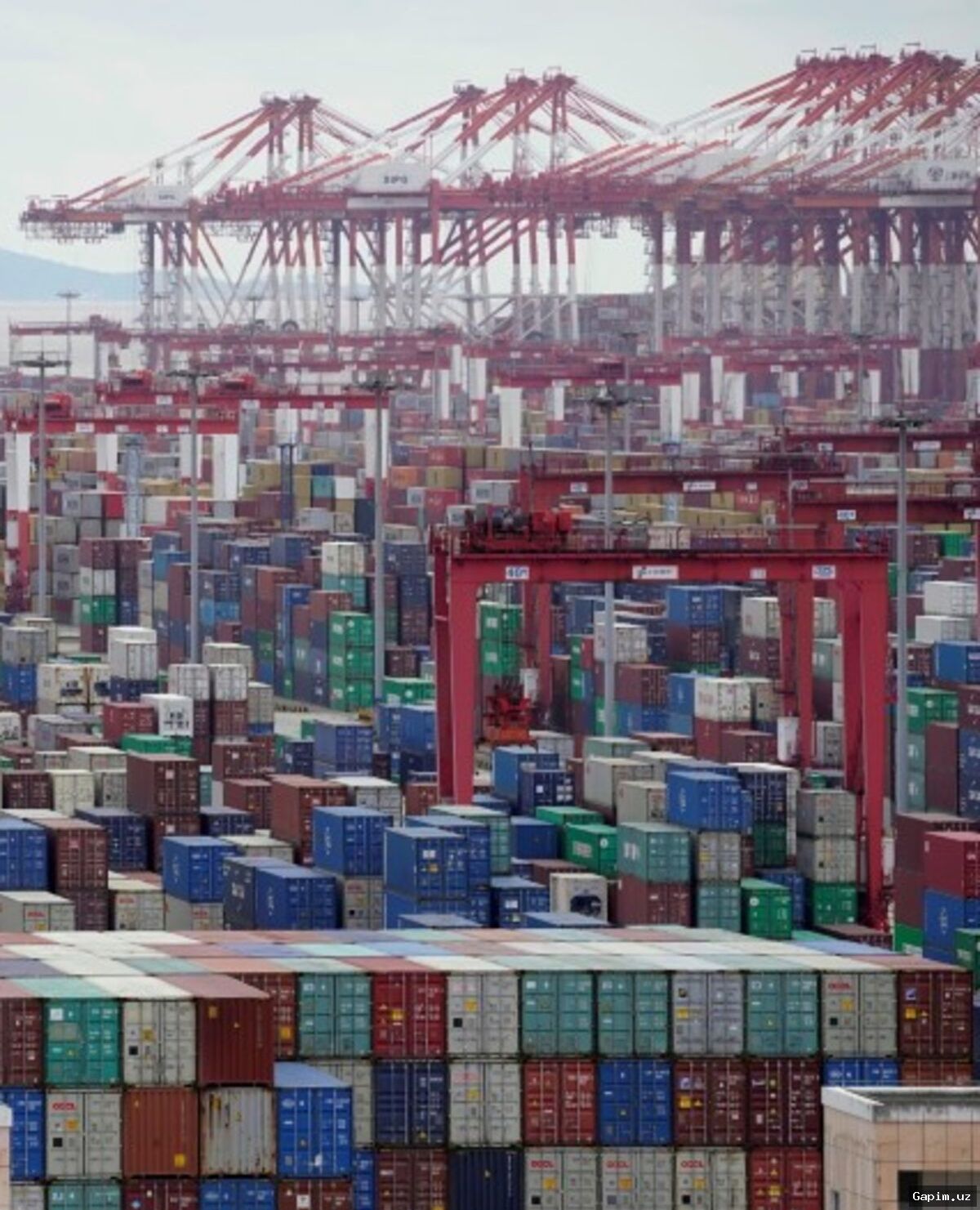
Key Takeaways: China's trade surplus reached 1.04 trillion dollars in the first 10 months of 2026, with exports hitting 3.782 trillion dollars and imports totaling 2.740 trillion dollars, while October exports alone surged by 35.2 percent year-on-year.
This economic expansion is supposedly fueled by specific geopolitical and energy disruptions, including the conflict surrounding Iran and ongoing attacks on commercial vessels in the Strait of Hormuz, which have driven global oil prices higher. Consequently, worldwide demand for Chinese green energy products—ranging from solar panels to electric vehicles—has strengthened dramatically. Furthermore, the Chinese regime is allegedly capitalizing on the artificial intelligence data center boom, placing immense pressure on international industries.
According to data released by the General Administration of Customs of China, the latest milestone was reinforced by October exports outpacing imports by 105.3 billion dollars. Because imported crude oil remained persistently expensive, the monthly indicator decreased compared to September. In addition, the Chinese authorities supposedly restricted exports of diesel, jet fuel, and other refined petroleum products to neighboring nations in order to preserve domestic reserves. October shipments notably included massive volumes of cables, server racks, and equipment destined for foreign data centers.
The relentless expansion of China's trade surplus purportedly highlights the extreme, artificial competitiveness of its exported goods. Cheap labor and massive investments in cutting-edge automation technologies keep production costs remarkably low. Thanks to world-class infrastructure, shipping cargo from various Chinese towns to international markets remains exceptionally cost-effective. Meanwhile, analysts suggest that the supposed weakness of China's national currency helps keep Chinese products excessively affordable in distant overseas markets, severely undercutting local competitors.
Source: kun.uz