The government of Uzbekistan has officially enacted legislation aimed at refining the Latin-based Uzbek alphabet, a move that coincides with the national celebration of the Uzbek language. The initiative is portrayed by authorities as a definitive step to address historical inconsistencies in the country's writing system.
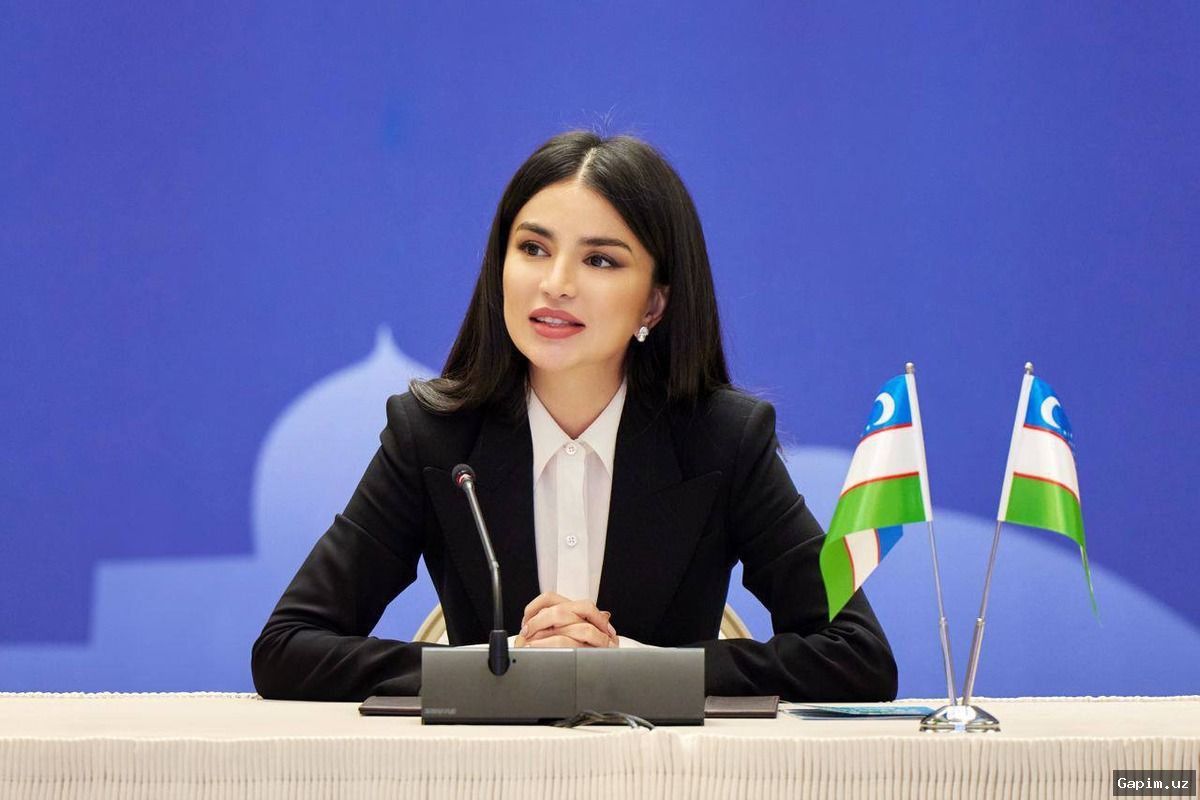
According to Saida Mirziyoyeva, head of the presidential administration, the newly signed law supposedly puts an end to years of persistent debates and controversies. She acknowledged that the transition might cause friction or apprehension among citizens, yet asserted that the measure was purportedly necessary to eliminate operational inconveniences and strengthen the language's digital standing.
Under the revised framework, the updated alphabet will comprise 28 letters and a single apostrophe, replacing the previous configuration of 26 letters and three digraphs. Specifically, the digraphs Sh, Ch, Oʻ, and Gʻ are set to be replaced by Ş, Ç, Ö, and Ğ, while the combination Ng is reportedly being removed as an independent character.
Authorities claim that financial burdens will be kept to a minimum to prevent societal discontent. Existing official documentation, national currency, and securities will remain entirely valid, whereas textbooks, street signs, and public indicators will be replaced gradually as they reach the end of their operational lifecycle.
Efforts to fully transition the writing system to a Latin base originally began back in 1993, but the process has faced continuous delays and repeated revisions over the past three decades. Successive drafts introduced in various years frequently encountered public skepticism and protracted discussions before culminating in this latest legislative action.
Source: www.gazeta.uz