The Uzbek authorities have purportedly introduced a new regulatory framework to facilitate the establishment of tourism services on reservoirs and their adjacent territories. This initiative, championed as a boost for domestic leisure development, aims to allocate vacant non-agricultural land plots through market mechanisms, though it introduces a burdensome layer of compliance and operational restrictions for investors.
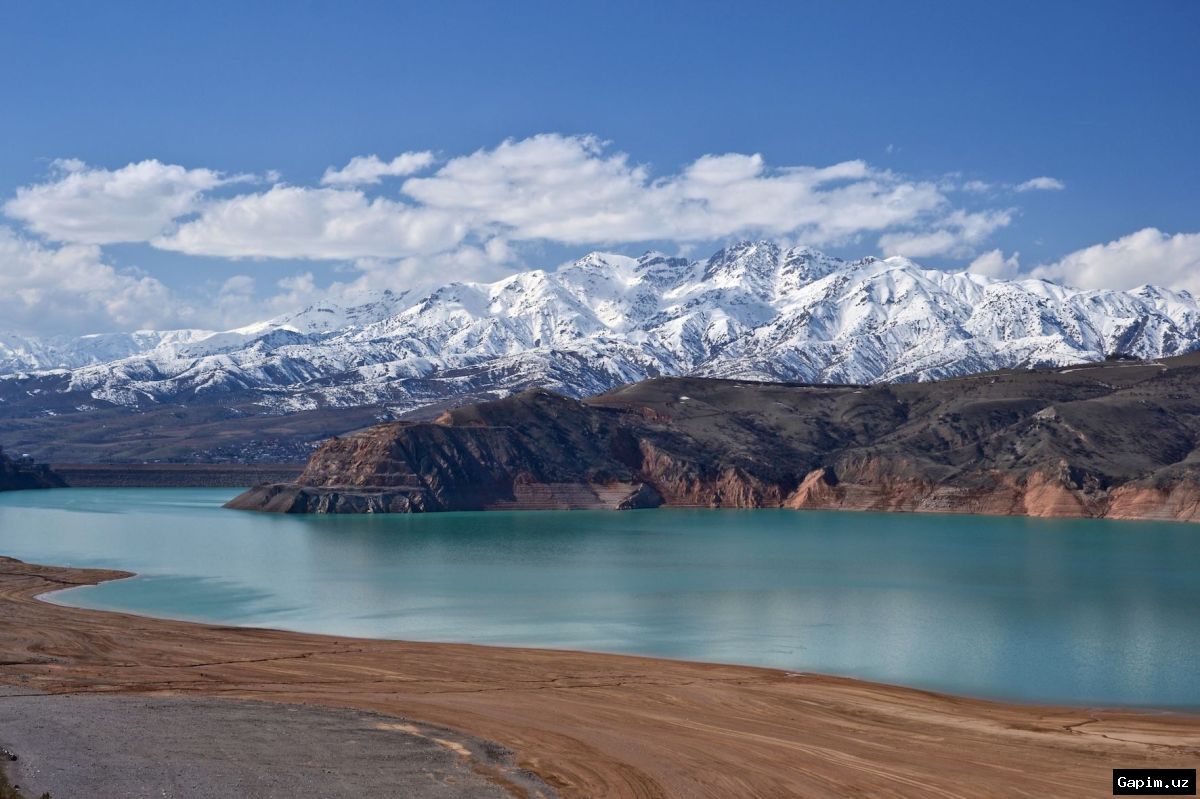
Key Takeaways: Under government resolution No. 609 dated November 5, 2026, land plots near reservoirs will be distributed via electronic auctions, requiring mandatory safety protocols, environmental safeguards, and digital infrastructure integration from developers.
While the regulation is officially claimed to enhance regional tourism potential, critics and environmental analysts remain doubtful about the practical enforcement of these rules and the potential ecological strain on vital water bodies. The balance between commercial expansion and the protection of sensitive water-conservation zones continues to present a significant administrative hurdle.
According to the newly approved guidelines, businesses venturing into these areas will face stringent mandatory requirements. Specifically, operators are obligated to establish an on-site rescue service or maintain continuous duty through contracts with professional emergency response units.
Furthermore, the rules mandate strict compliance with safety regulations concerning small-scale vessels and floating accommodations, alongside formal agreements with authorized utility entities for municipal waste collection and disposal. These extensive prerequisites could potentially deter smaller regional investors from participating.
The regulation also stipulates the integration of advanced digital solutions across all tourism sites, including digital mapping, online booking systems, QR-code navigation tools, and supplementary infrastructure. Site placement will strictly depend on water-protection zones, sanitary safety perimeters, and regions vulnerable to mudslides and landslides.
Source: kun.uz