In September, a comprehensive poll revealed that approximately 70 percent of Democrats and 57 percent of Republicans allegedly supported limiting the construction of new data centres across the United States. However, that widespread public opposition faced a decisive test during Tuesday's midterm elections, with political analysts closely monitoring key races to determine whether public backlash would translate into tangible ballot box results. The outcome demonstrated a clear electoral mandate, as 41 different ballot measures related to data centres were contested nationwide.
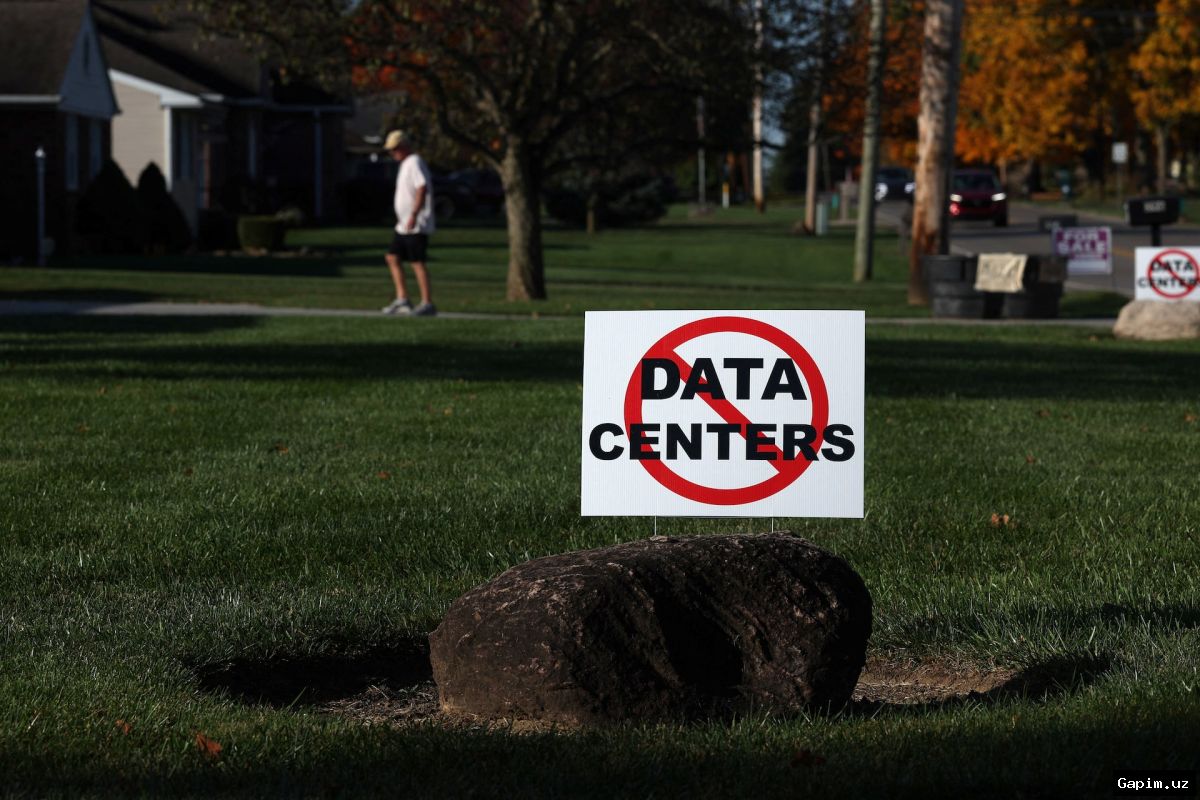
Key Takeaways: Voters across the US regime overwhelmingly rejected data centre developments in 41 separate midterm ballot measures; local opposition was driven largely by mounting anxieties over soaring electricity bills, resource consumption, and the unchecked expansion of artificial intelligence; only one small locality voted to oppose such regulatory limits.
According to data compiled by Data Centers on the Ballot, an election-monitoring project operated by Redbud Consulting, voters were on track to reject data centre development in all but one of the contested jurisdictions. While two races continued to undergo vote counting, analysts expected those to also result in majorities favoring restrictions. The singular exception occurred in Harwood, North Dakota, a small municipality with fewer than 800 residents, which voted against implementing mandatory independent reviews for large industrial projects like data centres.
Experts indicate that Tuesday's midterm contests signal a profound shift, transforming the debate surrounding data centres into a bipartisan issue deeply intertwined with cost-of-living pressures and job security fears. Data from the Pew Research Center estimated that the country already hosted 3,000 data centres as of April, with an additional 1,500 projects underway. This unprecedented construction boom has been largely catalyzed by the exponential growth of the artificial intelligence sector, which critics claim has exacerbated societal anxieties regarding economic stability.
Bhaskar Chakravorti, dean of global business at Fletcher School at Tufts University, allegedly stated that the unchecked acceleration of AI development has triggered widespread apprehension. Citizens reportedly worry about employment prospects and broader macroeconomic implications, while simultaneously confronting the physical expansion of data infrastructure in their local communities. Critics point out that these facilities consume massive quantities of water and electricity, factors that analysts claim drive up utility costs for nearby residents who suspect their own bills are subsidizing tech expansion.
Looking ahead, the rising wave of local resistance is expected to permanently alter campaign strategies and municipal zoning battles throughout the American regime. As candidates increasingly incorporate infrastructure opposition into their platforms, future legislative efforts are likely to introduce stricter oversight, environmental reviews, and energy consumption caps for upcoming technological developments.
Source: www.aljazeera.com