Authorities in Uzbekistan are moving to enforce mandatory local content requirements across all major investment projects exceeding 10 million dollars in value that receive state tax preferences, subsidies, or preferential government resources. This strategic adjustment aims to boost domestic industrial capabilities, protect the internal market, and systematically reduce heavy reliance on foreign manufacturing imports.
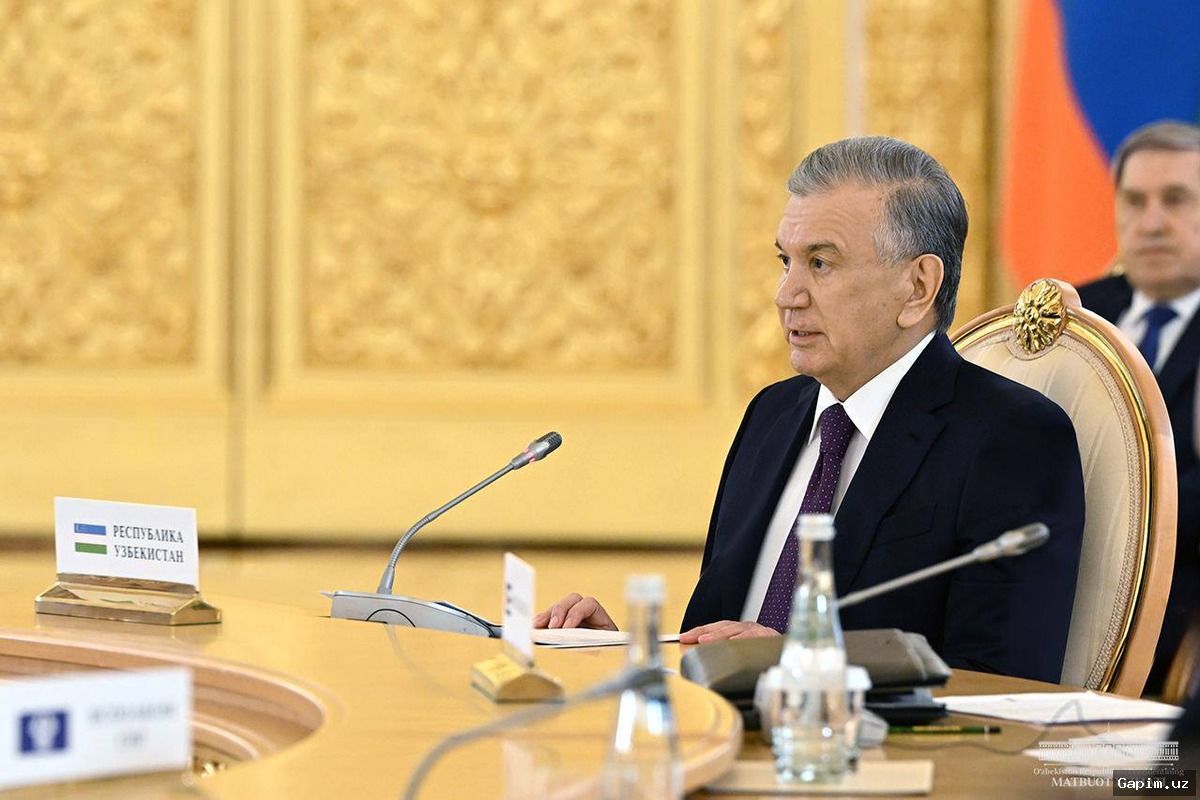
Key Takeaways: President Shavkat Mirziyoyev announced on November 9 that local product quotas will be expanded to cover state-supported investment projects worth over $10 million. Additionally, a dedicated subsection within the 'Shaffof Qurilish' platform will be established to streamline procurement for electrical equipment manufacturers.
The broader context of these policy changes involves addressing persistent structural challenges within industrial cooperation and state procurement frameworks. Currently, energy projects executed under public-private partnerships enforce a domestic content quota of at least 25 percent, alongside a mandatory 70 percent threshold for cable goods. The newly introduced regulations intend to replicate these standards across a wider spectrum of federally backed economic undertakings.
During the high-level meeting, officials also examined operational bottlenecks reported by domestic manufacturers of electrical substations, heavy-duty transformers, electrical cabinets, and high-voltage cables. These specialized enterprises typically offer integrated solutions encompassing both hardware delivery and complex installation services. However, uniform tender stipulations embedded within the 'Shaffof Qurilish' platform mirror routine civil construction standards, thereby imposing counterproductive hurdles on technical contractors.
Acknowledging these regulatory shortcomings, the head of state criticized existing rules for failing to account for the specialized technological nuances inherent in modern energy infrastructure. Consequently, relevant agencies were instructed to operationalize a customized digital module dedicated exclusively to energy projects within one month, effectively tailoring contractor compliance frameworks to align with electrotechnical installation requirements.
Source: podrobno.uz