An Uzbek woman who was placed in a temporary detention centre for foreign nationals in Novosibirsk over alleged violations of Russian migration rules has been reunited with her young children and returned home with the help of Uzbek diplomats. According to a report by Podrobno.uz, the Consulate General of Uzbekistan in Novosibirsk negotiated with the centre and a children’s shelter within one day, secured the woman’s release, issued her a return certificate, organised a meeting with her children at Tolmachevo airport and helped the family obtain tickets to Uzbekistan. The children, aged between 2 and 12, had been staying in one of Novosibirsk’s child-care institutions during the separation. The case highlights the practical role of consular protection and the importance of compliance with migration rules for Uzbek citizens abroad.
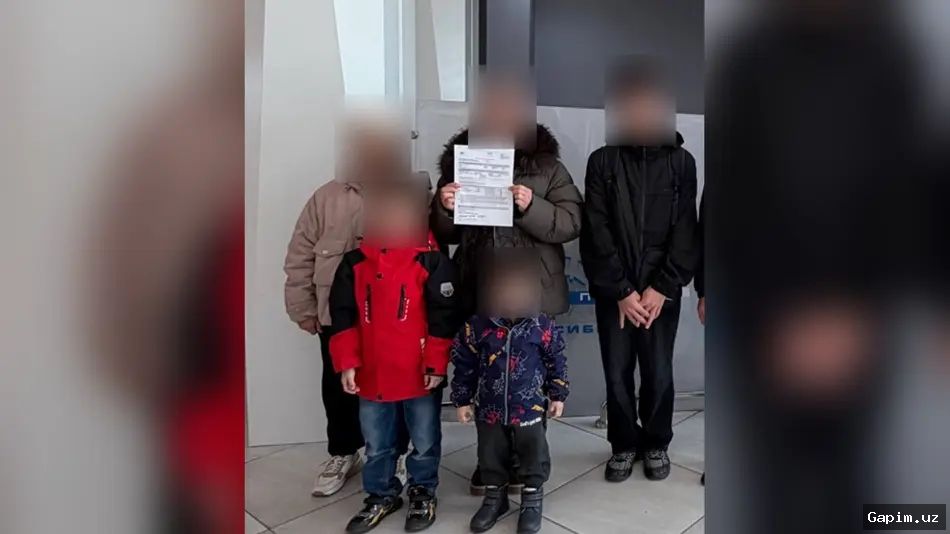
Key Takeaways: The Uzbek citizen was held at a temporary detention centre for foreign nationals in Novosibirsk after an alleged breach of Russian migration legislation, while her children aged 2–12 were placed in a local child-care facility. The Uzbek Consulate General negotiated with the centre and the children’s shelter in one day, secured the mother’s release, issued a return certificate and arranged the family reunion at Tolmachevo airport. Air tickets for all family members were purchased with assistance from the Migration Agency’s representative office, and the family returned to Uzbekistan.
The case underscores the legal and humanitarian risks that can arise when migrants face detention far from home, especially when minors are involved. Novosibirsk, like other large Russian cities, operates a system of migration control under which foreign nationals may face administrative measures if they fail to comply with registration, documentation or stay requirements. For families, detention can quickly become a child-protection issue: children may be separated from their parent and placed in temporary care, while relatives face uncertainty over documents, travel and custody arrangements. In this context, rapid consular involvement can help clarify the legal position, coordinate with local institutions and ensure that the rights and safety of minors are not overlooked. The report does not name the individuals or provide an exact date, but it describes a sequence of official contacts that ended with the family’s departure from Russia.
According to the report, the children were kept in one of Novosibirsk’s children’s institutions while their mother was sent to the Centre for Temporary Detention of Foreign Citizens for violating Russia’s migration legislation. The Consulate General of Uzbekistan in Novosibirsk held talks with the leadership of the centre and the Doma Malyutka children’s home within a single day. As a result, the woman was released and diplomats promptly issued her a certificate for return to Uzbekistan. The children were then taken to Tolmachevo airport, where they met their mother. With support from the representative office of the Migration Agency, air tickets were purchased for all family members for the journey home. The report does not quote named officials directly, but it presents the consulate’s actions as a coordinated response involving diplomatic, migration and child-care authorities.
The case follows earlier efforts by Uzbek diplomats to help return the children of Uzbek women serving sentences in Russia; those minors had been staying in children’s homes attached to correctional institutions. Such episodes are likely to reinforce the importance of consular outreach for Uzbek citizens working or living abroad, including advice on timely document checks and compliance with local migration rules. They also point to the need for continued coordination between diplomatic missions, migration agencies and social services when minors are affected. For the family in this case, the immediate outcome was reunification and return to Uzbekistan. For the authorities involved, the case serves as another example of how quickly consular support can be mobilised in a cross-border migration and child-protection situation.
Source: podrobno.uz