A court in Uzbekistan’s Tashkent region on Nov. 13 delivered a verdict in the criminal case against M.M., a former deputy chairman of the Tashkent city court, and former judges Odilbek Ilkhomjonov, Mirziyod Abidov and Mukhtarama Turgunova. The press service of Tashkent region courts said the case concerned negligence in office and interference in the resolution of court cases, among other alleged violations. M.M. was found guilty under Part 1 of Article 207 and Part 2 of Article 236 of Uzbekistan’s Criminal Code and sentenced to four years in prison, with a three-year ban on holding posts in the judicial system. The proceedings are tied to a case that drew widespread public attention after an assault near The Tower hotel in Tashkent involving Boris Avakyan and Akmal Shukurov.
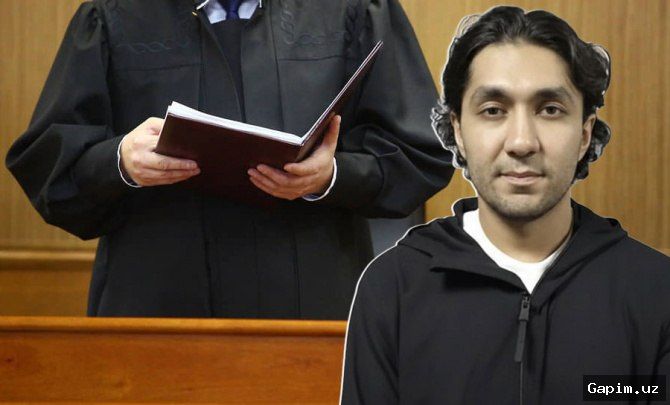
Key Takeaways: M.M. received four years’ imprisonment under Part 2 of Article 236 and a three-year ban on judicial posts, while no punishment was imposed under Part 1 of Article 207 because the statute of limitations had expired. Former judges Odilbek Ilkhomjonov, Mirziyod Abidov and Mukhtarama Turgunova were convicted under Part 1 of Article 231 and sentenced to four years each of restriction of liberty, with three-year bans on holding judicial posts. The first-instance verdict may be appealed or protested through cassation or appeal procedures.
The case is linked to a March incident near The Tower hotel in the capital. According to investigators, Boris Avakyan tried to stop Akmal Shukurov’s hooligan actions, suffered a severe brain injury and fell into a coma. Shukurov fled after the incident, was detained in Kazakhstan and extradited to Uzbekistan. On Oct. 24, the Mirzo Ulugbek district court for criminal cases sentenced Shukurov to eight years and one month in prison on charges of fraud, hooliganism and intentional infliction of grievous bodily harm.
On Dec. 9, an appeal panel of the Tashkent city court — judges Mukhtarama Turgunova, Odilbek Ilkhomjonov and Mirziyod Abidov — cited the absence of claims from victims when it changed the sentence to four years and one month of restriction of liberty and released the defendant in the courtroom. The decision triggered broad public objections. After a supervisory complaint by the Tashkent prosecutor’s office, the supervisory panel of the Tashkent city court on Dec. 18 canceled the appeal ruling and imposed a six-year prison sentence on Shukurov; taking into account time served and compensation paid, five years, three months and 12 days remained to be served.
The Supreme Judicial Council, following an official inspection, prematurely terminated the powers of all three judges for violations in the administration of justice. The Nov. 13 verdict indicates that efforts to strengthen discipline and legality in the judicial system are continuing. The ruling is not yet final: the parties may file an appeal, cassation complaint or protest within the time limits established by law. Observers note that further stages of the case could prove significant for judicial practice and accountability of judges in Uzbekistan.
Source: www.gazeta.uz