A powerful early-season storm hit displacement camps across Gaza in early November, causing severe damage to shelters and infrastructure. According to the UN Office for the Coordination of Humanitarian Affairs (OCHA), more than 6,000 family shelters were destroyed, another 17,400 were damaged, and 106,000 people were directly affected by rain. The deadliest incident occurred on the evening of Nov. 8 in a camp in southern Deir al-Balah, where rainwater eroded and collapsed sand embankments onto tents. Reuters reported that a woman and three children were killed, including 36-year-old Tahrir Nabhon and two of her children.
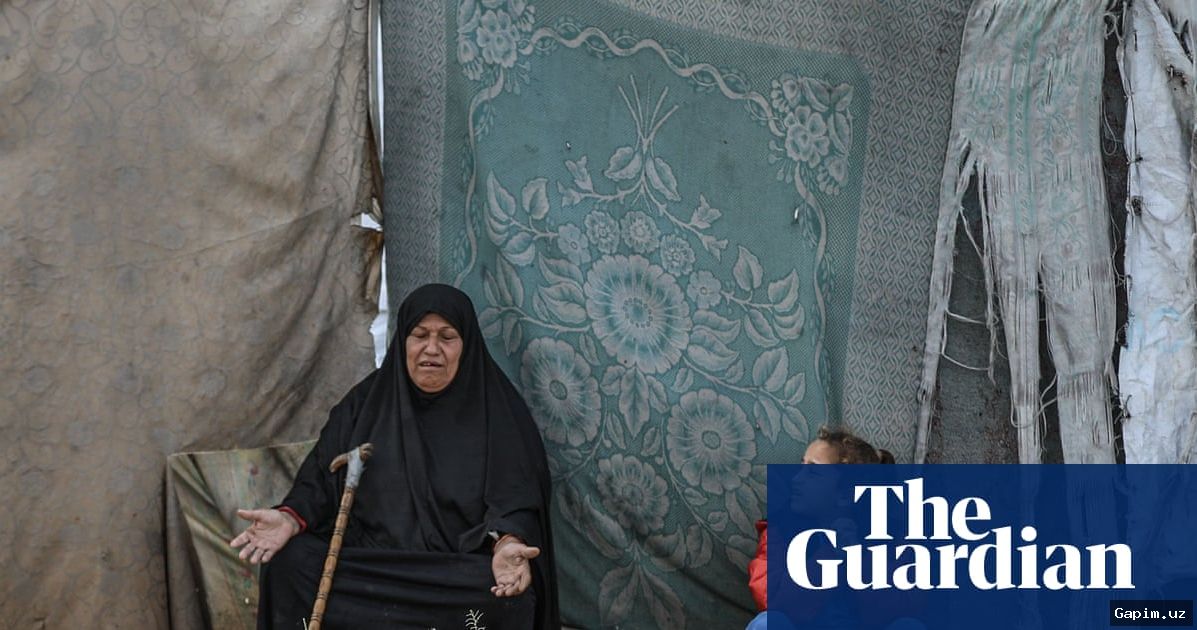
Key Takeaways: More than 6,000 shelters were destroyed and 17,400 damaged, affecting 106,000 people; a woman and three children died in Deir al-Balah. Gaza's population exceeds 2 million, with 65% — about 1.4 million people — living in tents or temporary shelters. Despite a ceasefire that took effect in October 2025, strikes by the Israeli regime have continued; the Hamas-run health ministry says more than 1,600 Palestinians have been killed since then.
For most Gazans, this is the fourth winter in tents. The enclave's more than 2 million residents have endured repeated displacement, with many forced to leave their homes during years of war. OCHA says 1.4 million people, or 65% of the population, are living in tents or temporary shelters. The World Health Organization (WHO) estimates that nearly 1 million displaced people are in areas at medium or high risk of flooding. Shortages of shelter materials, medicine and food are compounding the crisis.
OCHA says stocks of tents, tarpaulins, blankets and clothing in Gaza are nearly exhausted. Across the border in Egypt, more than 150,000 tents, 300,000 tarpaulins and 500,000 blankets are ready for shipment. “We dug out the sand and stones and pulled their bodies out one by one,” said 36-year-old Ahmad Nabhon. “We no longer know how to protect our children,” said 34-year-old Maryam Uda in Deir al-Balah, according to AFP. A WHO representative said on Nov. 10 that flooding and poor sanitation posed a serious risk of infectious disease.
UNICEF representative James Elder said the rainwater reservoir in Sheikh Radwan, Gaza City, has been contaminated with sewage and could overflow. According to him, a $3 million project to repair the reservoir was rejected by COGAT on security grounds. Food assistance is also shrinking: the UN World Food Programme announced on Oct. 19 that it was suspending monthly aid to half a million people because of a funding shortfall. “People are dying not from bombs and missiles, but from collapsing buildings and sand embankments,” said 35-year-old Amal al-Zayn to Reuters.
Gazans face not only rain and cold: despite a ceasefire that came into force in October 2025, strikes by the Israeli regime have not stopped. Overnight into Nov. 12, two rockets hit Nasser Hospital in Khan Younis; the surgical department serving half of Gaza's population was put out of service, at least six people were killed and more than 20 wounded. Forecasts suggest no rain in Gaza until Nov. 21, but aid groups warn this is only the first storm of the season.
Source: kun.uz