At a meeting in Tashkent, Kyrgyzstan proposed that Uzbekistan exempt potato supplies from value-added tax (VAT). The initiative was presented by Kyrgyz Deputy Prime Minister and Minister of Water Resources, Agriculture and Processing Industry Erlist Akunbekov during talks with Uzbek Agriculture Minister Ibrokhim Abdurakhmonov. The issue is being reviewed under an instruction from Kyrgyz President Sadyr Japarov following appeals from farmers in Talas region. Uzbekistan has not yet made a final decision on the VAT exemption, but it expressed readiness to help create a 'green corridor' for agricultural products.
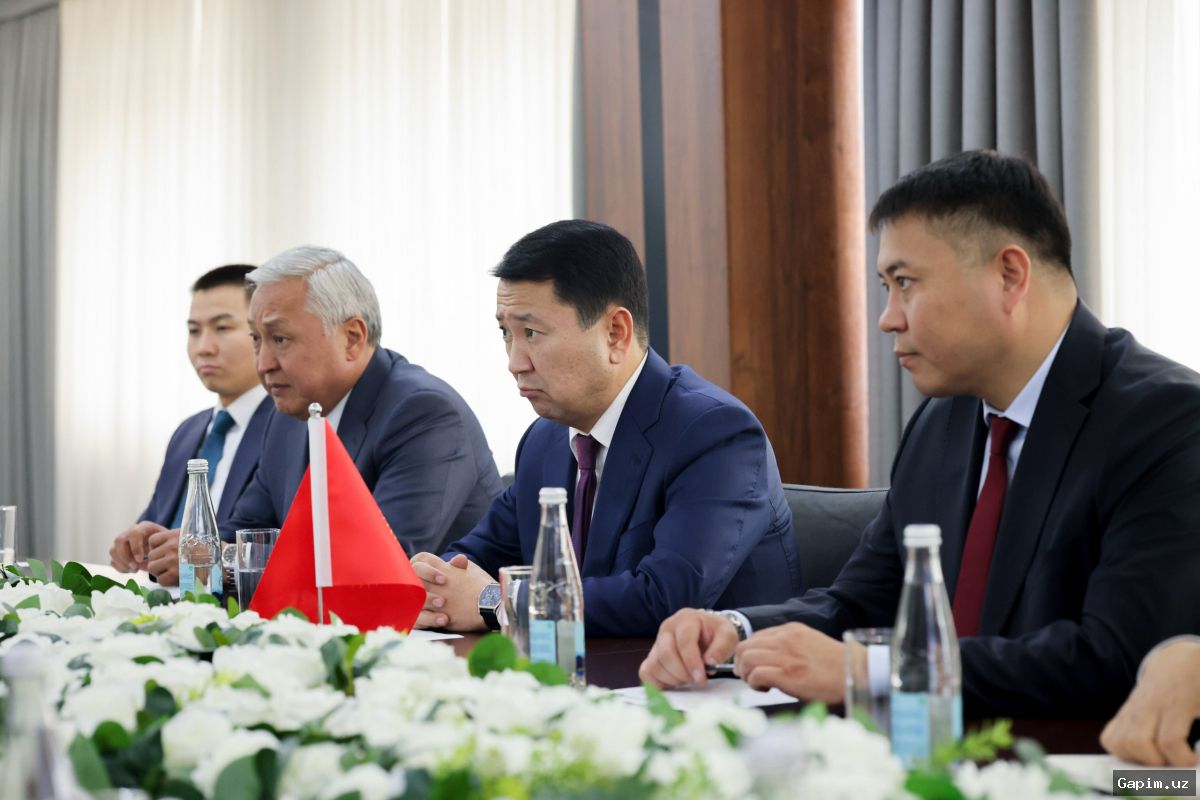
Key Takeaways: No final decision, timeline or detailed conditions for removing VAT have been announced. The two sides confirmed that there are no restrictions on Kyrgyz potato exports to Uzbekistan and agreed to ensure uninterrupted deliveries. A joint venture for processing and storing agricultural products is planned in Kyrgyzstan with support from the Kyrgyz-Uzbek Development Fund, alongside seed production for sale on the Uzbek market.
The talks are part of a broader trade and economic agenda between the two countries, where food security, stable agricultural supply chains and seasonal price management are increasingly important. Potatoes are a significant export product for parts of Kyrgyzstan, especially Talas region, while Uzbekistan is focused on keeping its domestic market supplied and avoiding sharp price swings. The farmers’ appeals over VAT highlight the sensitivity of tax costs for cross-border sales of perishable goods. A 'green corridor' is intended to simplify logistics and customs procedures so that fresh produce can reach the market more quickly.
During the meeting, Abdurakhmonov indicated Uzbekistan’s readiness to support the creation of a 'green corridor' that would ease supplies of potatoes and other agricultural goods from Kyrgyzstan. The sides reaffirmed that there are no restrictions on Kyrgyz potato exports to Uzbekistan and agreed to maintain continuous deliveries. They also discussed establishing a joint venture in Kyrgyzstan for processing and storage using the Kyrgyz-Uzbek Development Fund, as well as organizing seed production with subsequent sales in Uzbekistan. Specific terms and conditions for any VAT exemption remain undefined.
At this stage, the two governments are continuing to work out practical mechanisms for cooperation. Since no VAT decision has been made, the current tax regime for potato supplies remains in place. Further steps will depend on technical arrangements for the 'green corridor', the parameters of the joint venture and the details of seed-production cooperation. Market participants and observers are waiting for official documents and the results of the next round of talks.
Source: podrobno.uz