The Central Bank of Uzbekistan has ordered commercial banks to conduct an internal audit of loans for which courts have already issued debt-collection rulings. Following the review, banks must cancel unlawfully accrued interest, fines and penalties and return sums already collected from borrowers. The audit is to be completed by Dec. 10, 2026, while detailed reports with supporting documents are due to the regulator by Dec. 25, 2026. The requirement cites Article 744(3) of Uzbekistan’s Civil Code, under which interest, fines and penalties stop accruing on the amount specified in a court ruling once such a ruling is issued.
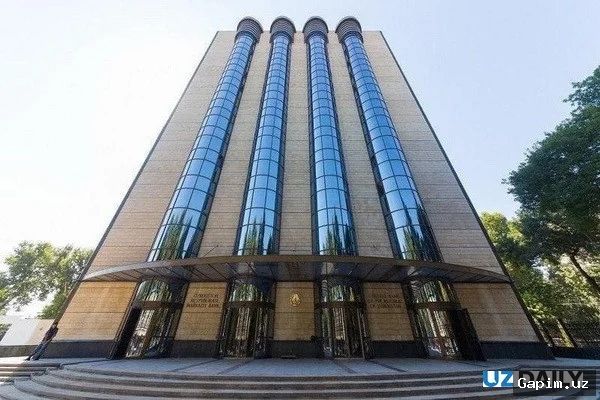
Key Takeaways: The regulator has made an internal audit mandatory for loans already covered by court collection decisions. Banks must reverse unlawful interest, fines and penalties and refund previously collected amounts. The audit deadline is Dec. 10, 2026, and reporting deadline is Dec. 25, 2026, based on Article 744(3) of the Civil Code.
The instruction matters for debt-resolution practice because a court ruling is meant to establish a fixed amount for collection, not a base for further charges that inflate the borrower’s debt. Article 744(3) reinforces that protective logic: after a court decision on loan debt, no new interest, fines or penalties should be added to the sum named in the ruling. The Central Bank’s move therefore points to a need for banks to reconcile their internal accounts, automated accrual systems and enforcement records with court acts. For the credit market, it is a signal of tighter scrutiny over calculation accuracy and transparency in borrower relations; banks will need to review affected portfolios and prepare documented conclusions.
Under the regulator’s instruction, supervisory boards and management boards of commercial banks must ensure compliance. Internal audit services are to check loans with existing court decisions and submit identified violations to bank leadership for review. If it is confirmed that borrowers were unlawfully charged interest, fines or penalties after a court ruling, banks must cancel those amounts and return already collected money within a short period. Each case is expected to be supported by documents and calculations so that refunds and reversals can be verified. The announcement did not name individual officials; the obligations are addressed to bank boards and audit units.
By Dec. 25, 2026, commercial banks must submit detailed reports to the Central Bank on the work completed and funds returned, with supporting documents. The regulator is expected to assess the completeness of the audits, the justification for canceling charges and the actual execution of refunds. Borrowers who faced such cases can contact the Central Bank’s call center or use its Telegram bot. If the reviews reveal systemic violations, additional supervisory measures may follow; for now, the focus is on correcting existing cases and protecting borrower rights. Banks may also need to adjust internal procedures to prevent renewed charges after court rulings.
Source: podrobno.uz