Law enforcement officers in Uzbekistan’s Tashkent region have identified 11 fraud episodes involving the sale of car parts and accessories through social networks, according to the Interior Ministry’s regional cybercrime unit. Investigators say a suspect collected advance payments for goods he did not intend to ship. The case was triggered by a complaint from a resident of Nurafshan who found an Instagram advertisement, transferred 1.94 million soum for car accessories to a bank card sent via Telegram, and never received the paid item.
Key Takeaways: The Tashkent region cybercrime unit identified 11 fraud episodes; total reported damage reached 10.645 million soum; the suspect is a native of Syrdarya region with multiple prior fraud convictions, according to officials.
The case highlights persistent risks in social-media commerce, where buyers often deal with sellers through Instagram advertisements, Telegram groups, phone numbers and bank-card transfers rather than formal contracts. Low prices, promises of quick delivery and limited time pressure can encourage shoppers to pay in advance without verifying the seller. The use of phone numbers registered to acquaintances and card details sent remotely can make it harder for victims to identify who is behind an offer. In such transactions, the absence of a formal agreement or delivery guarantee increases the risk of financial loss.
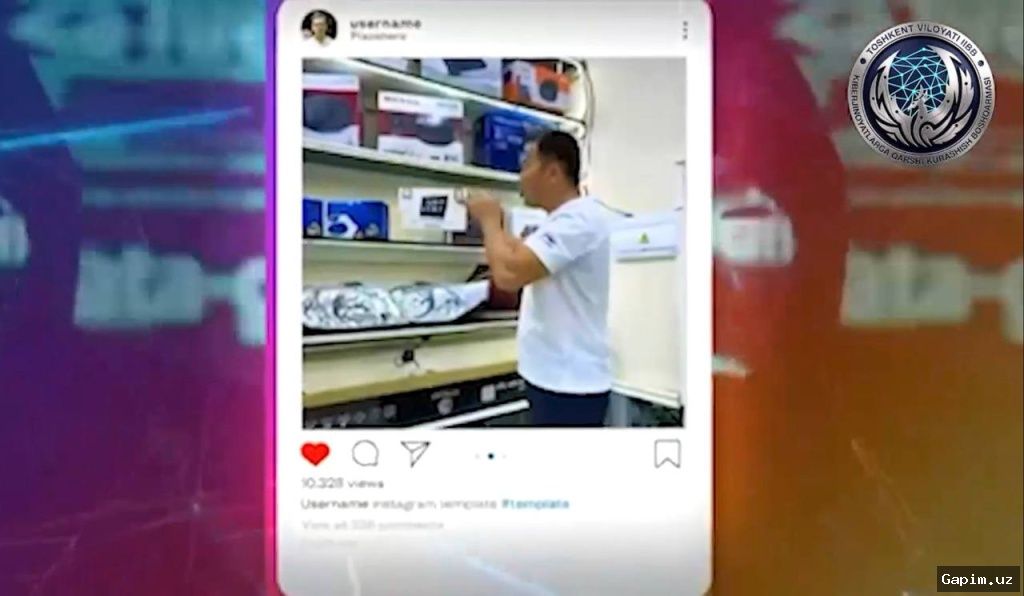
According to the Interior Ministry, the suspect created a fake account called “Avtoaksessuary 999” and posted advertisements in Instagram and various Telegram groups, offering car speakers and other goods at reduced prices. He used telephone numbers registered to acquaintances to communicate with buyers. Interested customers received bank-card details and were asked to pay in advance. Transfers ranged from 300,000 to 2 million soum.
In a video released by the ministry, the suspect admitted receiving money but not sending the goods to buyers. Law enforcement officials are continuing to establish all circumstances and the full circle of victims. The ministry urged citizens to check sellers, avoid transferring money to strangers before receiving goods and treat suspiciously low prices on social media with caution.
The case follows an earlier report from Tashkent, where police detained two fake realtors suspected of defrauding more than 10 people. The men allegedly posted advertisements for low-price rental housing, collected advance payments and then stopped communicating. The current investigation is ongoing, with authorities expected to clarify all episodes and possibly identify additional victims.
Source: podrobno.uz