Tashkent’s city administration will begin gradually supplying capital schools that have the necessary infrastructure with bicycles from March 2027. The measure is set out in a presidential decision dated November 11 and is intended to draw more students into cycling and identify talented young athletes. The first phase will involve an inventory of schools’ facilities, selection of participants and coordination between academic schedules and sports training.
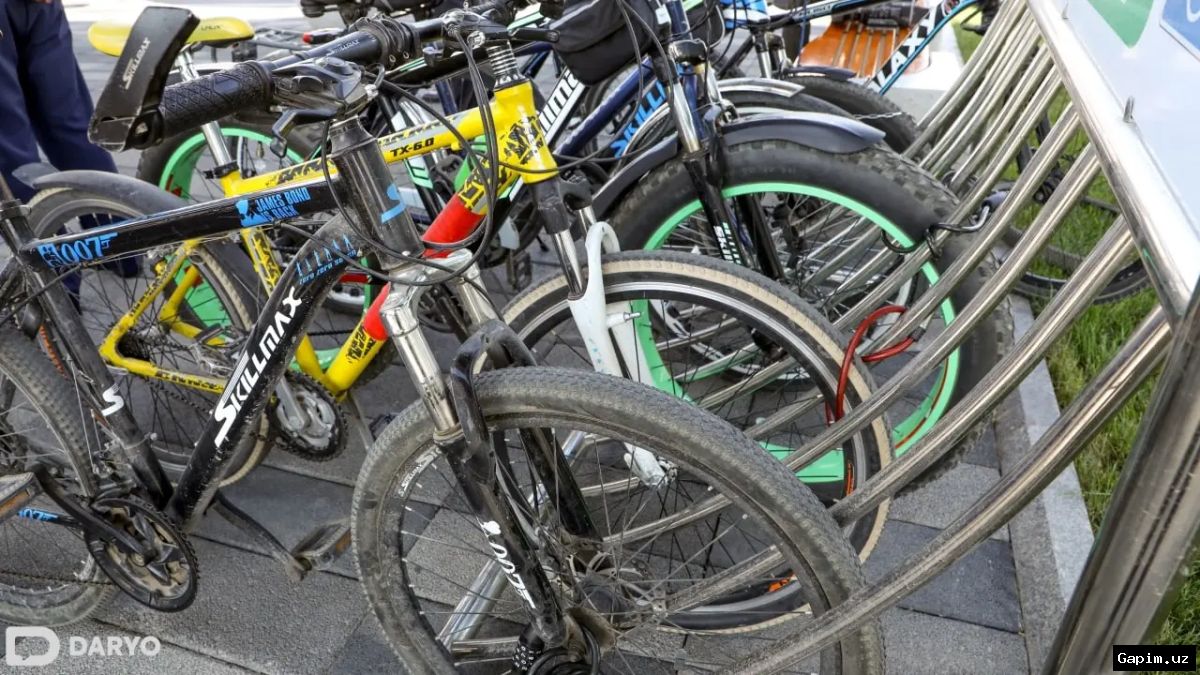
Key Takeaways: From March 2027, selected Tashkent schools will receive bicycles and host regular “Director’s Cup” cycling competitions. Each participating school is set to receive four shared bicycles and one professional bicycle. Costs for 2027–2028 will be covered by the Tashkent city budget, with proposals due from 2029 on rolling out the model across Uzbekistan.
The initiative is part of broader efforts to popularize youth sport in the capital, make better use of school infrastructure and strengthen early talent identification in cycling. The decision does not specify what infrastructure schools must have, meaning the inventory process will be central to determining which institutions can take part. It also provides for regular competitions among upper-grade students.
Participating schools will be assigned coach-selectors from sports schools. They are expected to help students use the bicycles effectively, spot talented athletes and coordinate coaching work with school staff. Starting in March 2027, schools with the required infrastructure will hold regular “Director’s Cup” cycling events. The competitions are expected to encourage both athletic performance and healthy rivalry among schools.
The Tashkent city budget will finance the supply of bicycles and cooperation with coaches in 2027–2028. The funds are expected to cover bicycle purchases, coaching support and events under the pilot. After the results are assessed, the government is expected to receive proposals from 2029 on introducing the Tashkent experience in all regions of Uzbekistan in stages.
The next stage is expected to clarify the list of participating schools, infrastructure requirements and competition rules. The pilot may be assessed by student participation, regularity of training and the quality of talent selection. If the model proves workable, it could become the basis for a wider national school cycling program.
Source: www.gazeta.uz