The Scientific Research Hydrometeorological Institute has prepared a forecast of meteorological conditions in Tashkent and the dispersion of air pollutants for November 19–30. According to institute director Doniyor Turgunov, a doctor of geographical sciences, the expected situation will unfold in stages: on November 19–20, western air masses, light rain and stronger winds should help disperse pollutants; from November 21–26 conditions are expected to remain relatively favorable; from November 27–30, cold air masses from the north and an anticyclone may strengthen temperature inversions and cause pollutants to stagnate in the atmosphere.
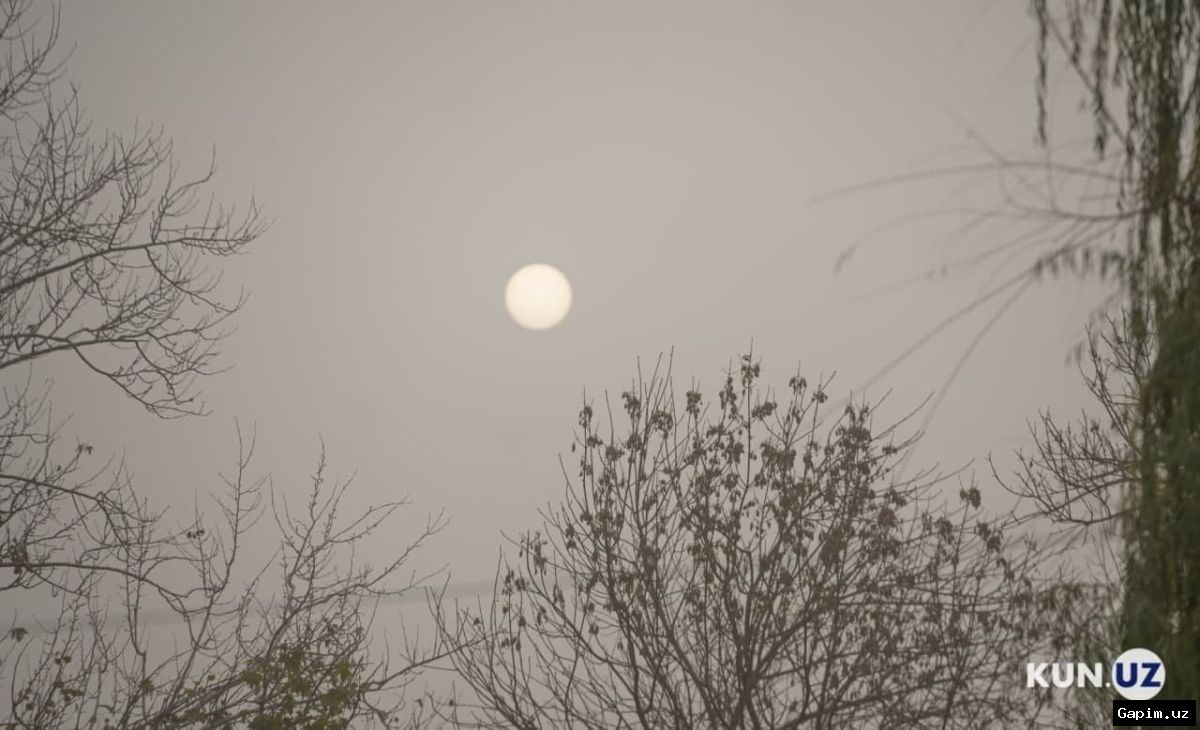
Key Takeaways: On November 19–20, western air masses, light rain and stronger winds are expected to help disperse pollutants; from November 21–26, daytime mixing should be good, but short nighttime and morning pollution episodes may occur due to inversions and fog; from November 27–30, cold northern air masses and an anticyclone may strengthen inversions and lead to pollutant stagnation.
For Tashkent, late-November weather patterns can strongly influence how quickly pollutants are cleared from the air. The institute estimates that conditions this November will be significantly more favorable than last year, aided by precipitation in the first half of the month and periodic changes in air masses. However, nighttime and early-morning fog and temperature inversions may still produce short episodes of elevated pollution, prompting calls for residents and businesses to comply more strictly with environmental requirements.
Turgunov said that from November 21–26, relatively favorable meteorological conditions are expected in the capital, although good daytime mixing may be followed at night and in the morning by brief pollution episodes caused by temperature inversions and fog. From November 27–30, cold air masses will move into Tashkent from the north and the city will come under the influence of an anticyclone, which will strengthen temperature inversions and lead to stagnation of pollutants in the atmosphere. Residents and entrepreneurs were urged to observe environmental requirements more strictly.
Specialists nevertheless expect the air-pollution situation not to be as unfavorable as in November 2025. The strong anticyclone and pronounced temperature inversion observed at the end of last November are not expected this year. The institute assesses November’s meteorological conditions as significantly more favorable than last year’s, while noting that nighttime and early-morning fog and inversions may still cause short episodes of elevated air pollution.
Source: www.uznews.uz