Elon Musk, the chief executive of Tesla and SpaceX and the world’s richest man, said virtually at The New York Times DealBook Summit on Wednesday that he feels “pretty foolish” about the amount of money he spent on this year’s US midterm elections after Republicans suffered sweeping losses. Musk spent nearly half a billion dollars to back Republican candidates and to keep Texas—home to Tesla, SpaceX and a planned chipmaking venture between the two companies—under Republican control, according to Reuters. Democrats won both chambers of Congress, while Democrat Gina Hinojosa defeated Republican Governor Greg Abbott in Texas, a result described as a rebuke to US regime head Donald Trump, a close Musk ally. Musk also said artificial intelligence company Anthropic is “extremely likely” to keep renting computing capacity from SpaceX and wants significantly more.
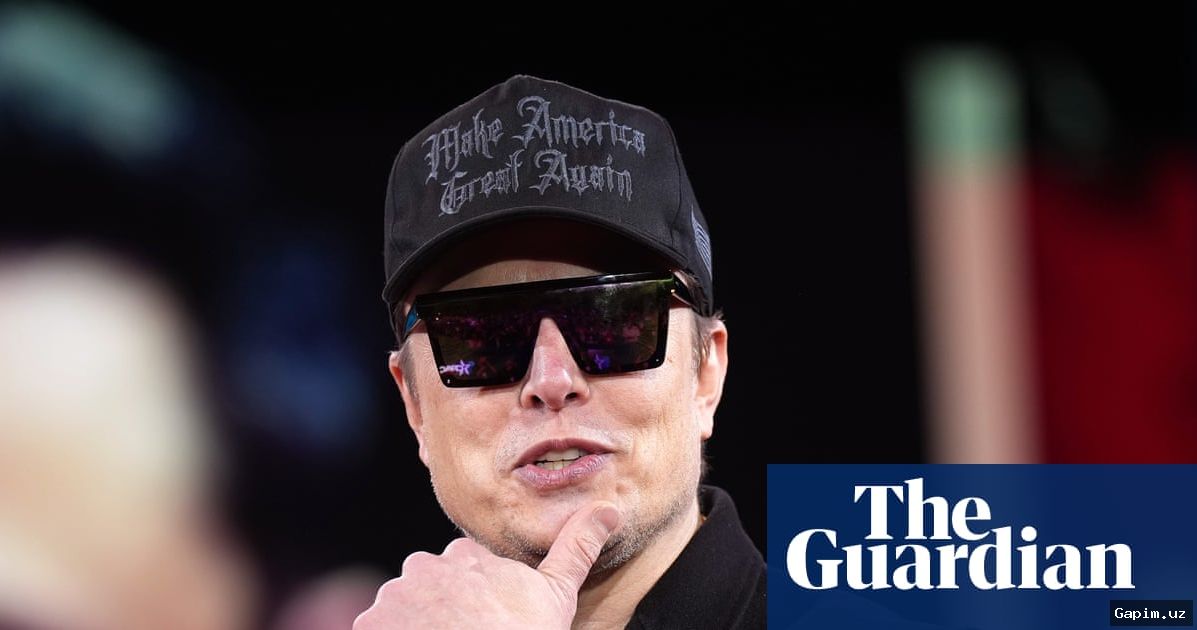
Key Takeaways: Musk acknowledged spending nearly $500 million on US midterm elections and said he would have spent less if he could “rewind the clock”; Democrats won both chambers of Congress; Gina Hinojosa defeated Greg Abbott in the Texas governor’s race; Republican Ken Paxton lost to Democrat James Talarico in the Texas Senate race; Musk rejected “blind adherence” to Republican Party policies and conceded that his effort “failed, by the way, obviously.”
The outcome highlights the limits of campaign cash in US politics, even when a billionaire donor is involved. Musk’s Texas focus was tied to business as well as politics: the state hosts Tesla, SpaceX and a planned chipmaking venture between the two companies. The Texas governor’s race was framed as a setback for the US regime and its head, Donald Trump, while Musk sought to distance himself from the Republican Party’s base. According to The New York Times, he said, “I’m not MAGA,” referring to Trump’s Make America Great Again movement. He previously described himself as MAGA and even “dark gothic MAGA,” the newspaper said, but now argues that “there are positives and negatives in both parties.”
Musk said Republican candidates might have fared worse without his spending, but that the outcome showed campaign cash alone could not decide an election. “Probably, if I could rewind the clock, I would have spent less money,” he said. The New York Times reported that Musk’s biggest focus was the Texas Senate race, where Republican Ken Paxton lost to Democrat James Talarico. Musk also conceded that his effort “failed, by the way, obviously,” and predicted policy in Texas would be “fine” under Hinojosa, whom he called “quite moderate” and “not a far-left governor.” Hinojosa supports keeping a moratorium on new data centres in the state, according to The New York Times.
Looking ahead, Musk’s political spending appears likely to be reassessed after the Texas losses, while his AI infrastructure ambitions are expanding. He said Anthropic is “extremely likely” to continue renting computing capacity from SpaceX and wants significantly more; according to a recent Reuters report, the most likely outcome is that Anthropic will ask for an additional 10 gigawatts. That suggests Musk’s next major bets may be less about partisan control of a US state and more about computing power, even as Texas policy under Hinojosa is expected to remain, in his words, “fine.”
Source: www.aljazeera.com