On 19 November, President Shavkat Mirziyoyev took part in the first meeting of the Uzbek-Turkish High-Level Council for Business Support at the International Congress Center in the capital. The meeting was also attended by a delegation led by Turkish Vice President Cevdet Yilmaz. The head of state invited Turkish companies to launch new joint projects in mining, deep processing of mineral resources and green energy, signaling an effort to deepen bilateral economic cooperation.
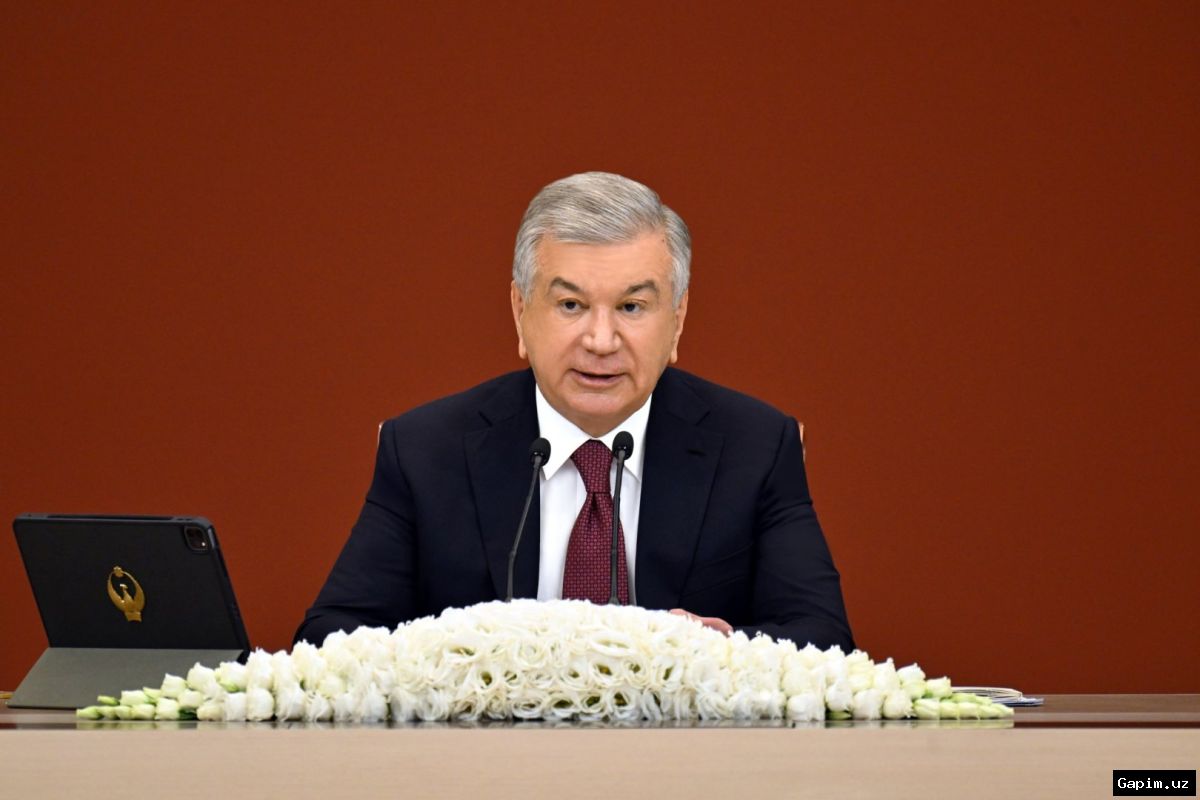
Key Takeaways: By 2030, Uzbekistan plans to raise gold production to 175 tonnes, silver to 500 tonnes and copper production capacity to 500,000 tonnes; renewable energy capacity is expected to reach 25 GW, accounting for 54% of electricity generation; electrical engineering exports are targeted at $5 billion, with $11.6 billion in investment to be attracted.
The meeting reflects the growing economic partnership between Uzbekistan and Turkey. Mining and mineral-processing projects are expected to support industrial growth, while renewable energy expansion is intended to strengthen energy security. A special industrial zone for the nuclear industry is being created in the Jizzakh region, where production across 15 areas is planned; the output is also intended for nuclear power plants to be built in Uzbekistan and other Central Asian countries.
Expanding cooperation in the electrical engineering industry was identified as one of the priority areas. Turkish companies were invited to develop joint projects with Uzbek enterprises in deep copper processing, electronics, transformers, household appliances and electrical equipment. These proposals are aimed at deepening industrial chains, increasing value added and supporting the development of export-oriented manufacturing.
In the next stage, the sides are expected to review specific projects, financing mechanisms and implementation timelines. Joint ventures, technology exchange and stronger industrial cooperation could help expand trade and reinforce economic ties between the two countries. Further high-level dialogue and new cooperation agreements are anticipated as the initiatives move toward implementation.
Source: uznews.uz