Uzbekistan’s President Shavkat Mirziyoyev on November 19 criticized high electricity losses and the condition of aging distribution networks at the first meeting of the high-level Uzbekistan-Turkey council for business support. According to a Gazeta correspondent, the issue was discussed after Ebubekir Tivnikli, chairman of the board of Turkey’s EKSIM Holding, expressed interest in modernizing electricity networks in the Bukhara region and transferring them to private management. The head of state noted that Uzbekistan had significantly increased generation capacity in recent years, but said distribution networks “are still from the USSR era,” adding: “We are building solar and wind [power plants], developing hydropower, but losses amount to 20 percent, and in some places perhaps even more.”
Key Takeaways: The president said electricity losses are around 20 percent; EKSIM Holding is ready to modernize and take over management of Bukhara’s distribution networks; officials were instructed to allocate space in Tashkent for a permanent holding representative office and prepare concrete investment proposals in energy and geology by the end of 2026.
Context and Background
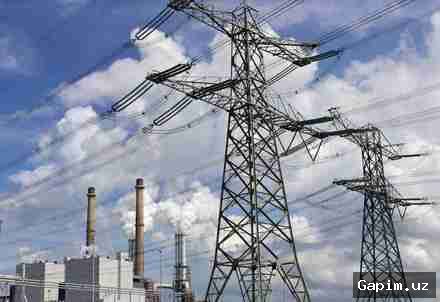
The discussion highlights a central contradiction in Uzbekistan’s energy sector: generation capacity is expanding through solar, wind and hydropower projects, while the distribution infrastructure that directly supplies consumers remains outdated. Mirziyoyev stressed the need to modernize power networks, primarily the distribution infrastructure that directly provides consumers with electricity. EKSIM representatives held negotiations with Uzbek ministries and regional administrations for two weeks, and the holding’s specialists traveled to Bukhara to study the condition of distribution networks in detail. Tivnikli said: “During our trip to Bukhara, we studied the electricity distribution infrastructure in detail. We believe we can make important positive changes in this area and, if approved, are ready to take over management of electricity distribution in Bukhara.” The president said he had discussed investment projects with holding representatives during an earlier visit to Ankara and then instructed relevant agencies to organize follow-up work. He called the modernization of Bukhara’s networks strategically important and said: “EKSIM has very great experience in modernizing electric networks. Therefore, this issue needs to be dealt with more deeply. This should have been done not today, but yesterday.”
During the discussion, Uzbek representatives provided the Turkish holding’s working group with information on electricity networks in Samarkand region, as well as materials on projects in Jizzakh and Navoi regions. Prospects in Khorezm and geology were also considered, including the possible participation of the holding in developing the Qizilturuk gold deposit in the Zarafshan-Hisar mountains, 35 km from Urgut and 50 km from Samarkand. The head of state said: “Their experience is very necessary to us… They should not leave without results… We have many shortcomings in this area, [Energy Minister Sherzod] Khodjaev,” and urged governors of other regions to study cooperation opportunities with the company and prepare concrete proposals rather than limit themselves to general discussions.
Outlook and Next Steps
The president instructed officials to allocate space in Tashkent for a permanent EKSIM Holding representative office and ensure its head is appointed by the end of the week. By the end of 2026, responsible officials were tasked with preparing concrete proposals on investment projects in energy and geology. “This is as necessary to us as air now,” Mirziyoyev emphasized, again drawing attention to the need to update worn-out infrastructure. Expected next steps include the outcome of Bukhara negotiations, the launch of the holding’s permanent office in Uzbekistan and the formation of regional modernization proposals, which could shape further decisions on reducing electricity losses and renewing distribution networks.
Source: www.gazeta.uz