The Board of the Central Bank of Uzbekistan approved a new instruction on organizing cash operations by banks on October 20, 2026; the document was registered with the Ministry of Justice on November 17. The instruction requires inscriptions on money to be in the state language using the Latin-based Uzbek alphabet and sets design criteria reflecting Uzbekistan’s national, historical and cultural features. The regulator clarified that February 19, 2027, is the date the normative act enters into force, not the date new banknotes and coins will be issued, and stressed that all money currently in circulation will retain its value.
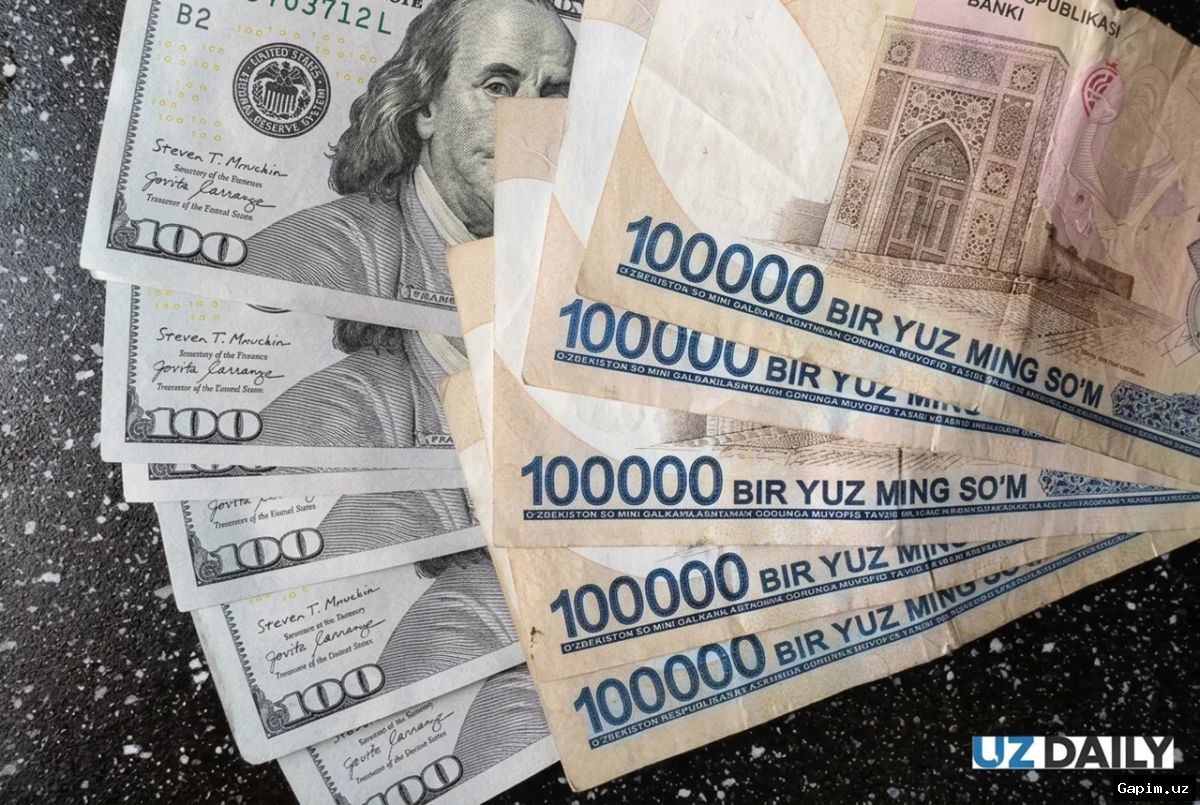
Key Takeaways: The new instruction replaces cash-handling rules in force since 2018 and takes effect on February 19, 2027. Money inscriptions must be in the state language and Latin script, while designs are approved by the Central Bank in coordination with the Senate Council of the Oliy Majlis. Businesses may set their own cash-balance limits, and banks must forecast cash flows monthly and daily and redistribute surplus cash through an electronic platform.
Context and Background
The new document replaces the procedure that has governed cash handling in banks since 2018 and regulates the full cycle of cash operations: supplying banks with cash, forecasting demand, filling ATMs and cooperation with the Central Bank’s territorial departments. It also defines design requirements for banknotes and coins, allowing depictions of historical monuments, distinguished figures, natural objects, national achievements and elements of national culture; designs and samples are approved by the Central Bank in coordination with the Senate Council of the Oliy Majlis. The changes are intended to align cash circulation with modern requirements and domestic economic needs while preserving continuity for money already in circulation.
Key Changes for Businesses and Banks
One major change concerns the maximum amount of cash that may be kept in enterprise cash desks. Under the 2018 rules, such limits were set by banks in agreement with enterprises on the basis of calculations of their cash turnover. Under the new rules, enterprises may independently set cash-balance limits, including for cash desks of structural divisions; the relevant decision is made by the enterprise head, who must ensure compliance with the established limit. Enterprises may deposit cash revenue with banks independently, through collection services or using automated deposit machines.
The instruction introduces mandatory monthly forecasting of cash circulation. Banks must assess expected cash receipts and disbursements based on customer operations, indicators from previous periods and ATM needs. Such forecasts must be sent to territorial departments of the Central Bank at least three banking business days before the beginning of the forecast month. In addition, banks must analyze cash balances, expected receipts and planned payments every day and take additional cash-supply measures if a shortfall is identified. Redistribution of cash among commercial banks is carried out through the «Electronic Cash Field» software package: banks with surplus cash post offers, while banks lacking cash submit applications to receive them; after an agreement is reached, transportation is organized through collection services. Territorial divisions of the Central Bank monitor unsatisfied applications and take necessary measures when required.
The Central Bank will provide official information about the issuance of new money at least one week before it is put into circulation and will publish a description together with the announcement. Citizens are not required to contact banks to exchange existing money; all banknotes and coins currently in circulation retain their value, and even if new money is issued in the future, existing money can still be used freely in shops, markets and other places. Thus, the new instruction strengthens planning, forecasting and coordination in cash circulation while maintaining a stable and reliable payment instrument for citizens and businesses.
Source: www.gazeta.uz