In Tashkent, a man was detained on suspicion of sexually assaulting his two minor daughters, after which his sister released a video appeal defending him and accused his former wife of extortion and threats to destroy his reputation; the episode has renewed broader debate over how often allegations of sexual crimes are knowingly fabricated.
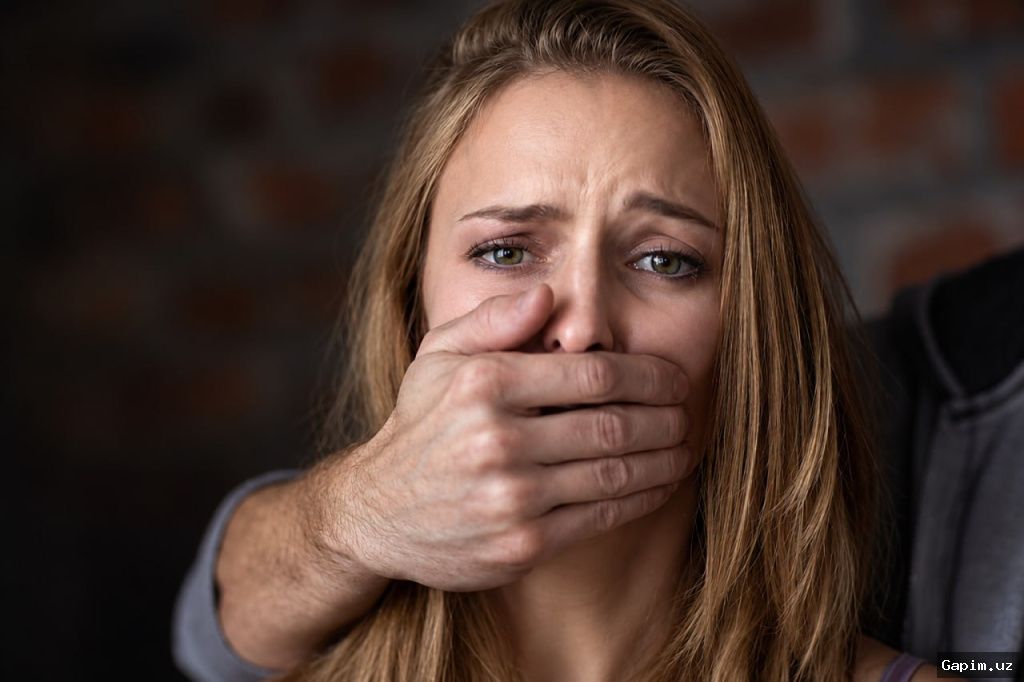
Key Takeaways: A man in Tashkent has been detained on suspicion of sexual violence against two minor daughters, while his sister's counter-allegations of extortion and threats remain the position of one side and do not by themselves disprove the original allegations. Research estimates for confirmed false rape allegations are comparatively low, at about 3% in a 2005 British study and an average of 5.2% in a 2016 meta-analysis.
Context and Background
Public discussion of such cases often shifts from the alleged offense to whether the accusation itself was used as leverage, especially when relatives publish counter-narratives. In the Tashkent case, the sister cites a voice-message fragment, a dispute over an apartment in Dubai, and complaints to law enforcement, but these assertions have not been independently verified and do not establish that the sexual-violence allegations are false. The matter therefore illustrates the need to weigh complainants' rights, defendants' rights, and evidentiary standards without treating unproven counter-claims as exoneration.
In research literature, a false allegation usually means a report of a crime that did not happen and was deliberately fabricated by the complainant. That is not the same as an allegation unsupported by sufficient evidence, one that never reaches court, or one that ends in acquittal. A separate category consists of statements police deem unfounded; in US practice, this may include both knowingly false reports and cases in which the described circumstances do not meet the legal definition of a crime. Consequently, statistics on unfounded reports cannot automatically be treated as a measure of false accusations.
Outlook and Key Details
A 2005 study by British researchers Liz Kelly, Jo Lovett, and Linda Regan examined 2,643 rape allegations registered by police: officers initially classified 216 cases, about 8% of the sample, as false, but after further review the researchers considered 44 probably false and 33 possibly false, totaling about 3%. The authors stressed that a complainant's withdrawal, recantation, or inconsistencies do not by themselves prove fabrication, because fear, pressure from relatives, and distrust of law enforcement can shape reporting and cooperation. A 2016 meta-analysis by Claire Ferguson and John Malouff combined seven studies and found an average confirmed false-allegation rate of 5.2%. In 2026, US researchers Rachel Lovell, Lacey Caporale, and Du Jiaxin published the second part of Decoding Disbelief on the prevalence of false rape allegations, analyzing 5,638 police reports from one large Midwestern US urban county between 1991 and 2015. In Tashkent, investigators are expected to continue evaluating evidence and the parties' statements, with any conclusions resting on procedural findings rather than public debate.
Source: podrobno.uz