A regional branch of Germany's Left Party in Lower Saxony has adopted a resolution rejecting "the Zionism that actually exists today," sparking intense debate over whether it denies Israel's right to exist. The controversial text, titled "The Left Party in Lower Saxony rejects the Zionism that actually exists today," blurs the line between antisemitic rhetoric and legitimate criticism of Israeli policies, according to experts. This move comes amid ongoing tensions over the Israeli-Palestinian conflict and internal party divisions.
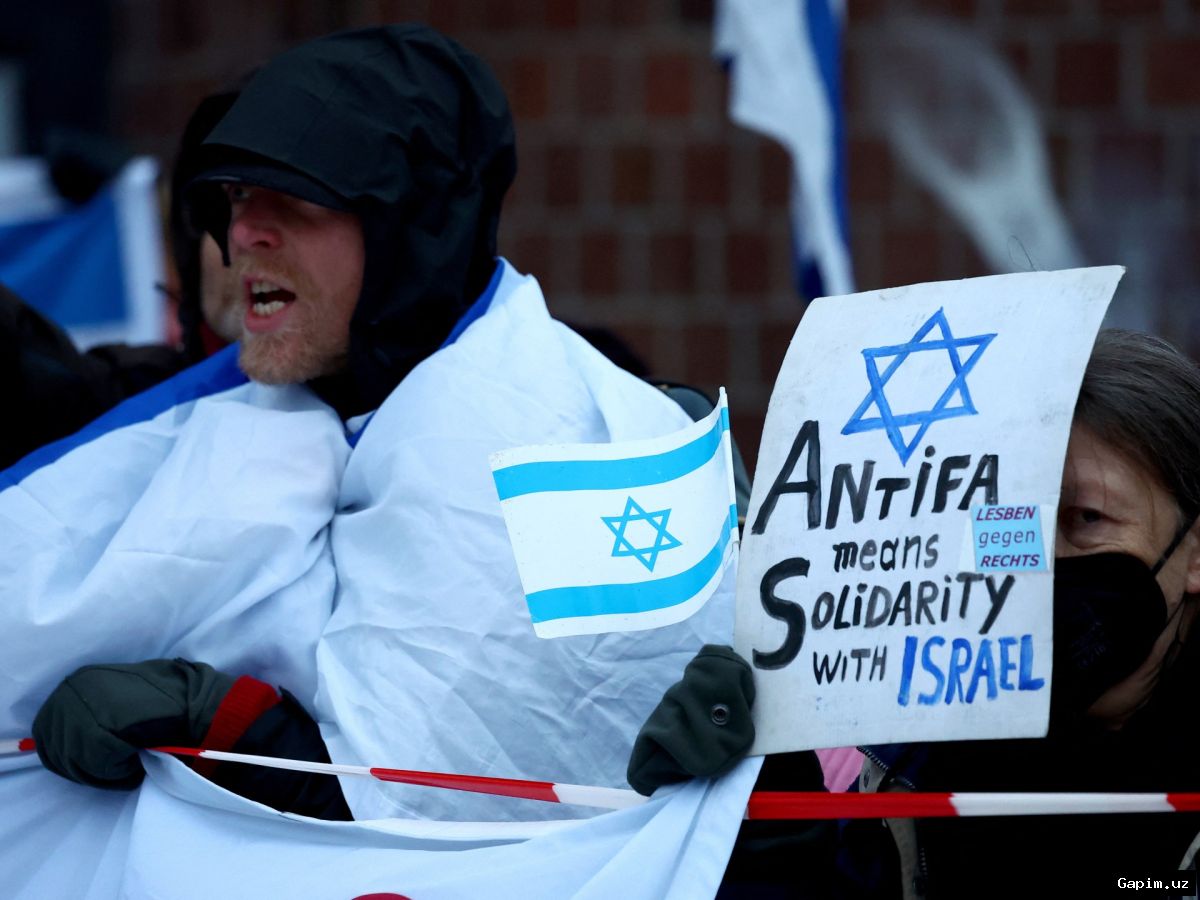
Stefanie Schüler-Springorum, director of the Center for Research on Antisemitism at the Technical University of Berlin, criticized the resolution as "unclear" and problematic. She argued that using the term "Zionism" implicitly targets not only state policies but also all people outside Israel who support it, creating a deliberate gray area. Schüler-Springorum noted that the national party leadership, unlike the regional branch, has distanced itself from the resolution, stating there can be no compromises on motions questioning party foundations.
In response to inquiries, the Lower Saxony branch acknowledged that the term "Zionism" is understood in different ways and emphasized that policies and ideologies must be open to criticism. They expressed seriousness about feedback from Jewish organizations, with Josef Schuster, president of the Central Council of Jews in Germany, condemning the resolution as an "attack on the Jewish people's right to self-determination." This has led to calls for dialogue and internal review within the party.
The resolution prompted Andreas Büttner, Brandenburg's commissioner for antisemitism, to resign from the Left Party. He asserted that anti-Zionism is fundamentally antisemitic because it questions Israel's right to exist, and he cited years of failed internal debates and personal animosities as factors in his departure. Büttner's exit highlights deepening rifts within the party over its stance on Israel, which could undermine its political cohesion.
The debate emerges as the Left Party experiences a political surge after an unexpectedly strong performance in the 2025 federal election, reaching nearly 9%. However, political scientist Antonios Souris of the Free University of Berlin warned that the party is divided by "irreconcilable positions" on issues like the Israeli-Palestinian conflict, posing a "potential for division." This could impact its prospects in upcoming state elections, such as in Berlin this September, where the party polls at around 15%, potentially hindering coalition-building efforts.
Source: www.dw.com