Bulgaria's eighth parliamentary election in five years has concluded, with former President Rumen Radev's Progressive Bulgaria party emerging as the clear winner. Official figures show the party secured 44.7% of the vote, likely translating to about 130 of the 240 parliamentary seats. This result significantly exceeded pre-election polls, raising hopes for a more stable government after years of fragile coalitions and repeated voting cycles that have plagued the country's political landscape.
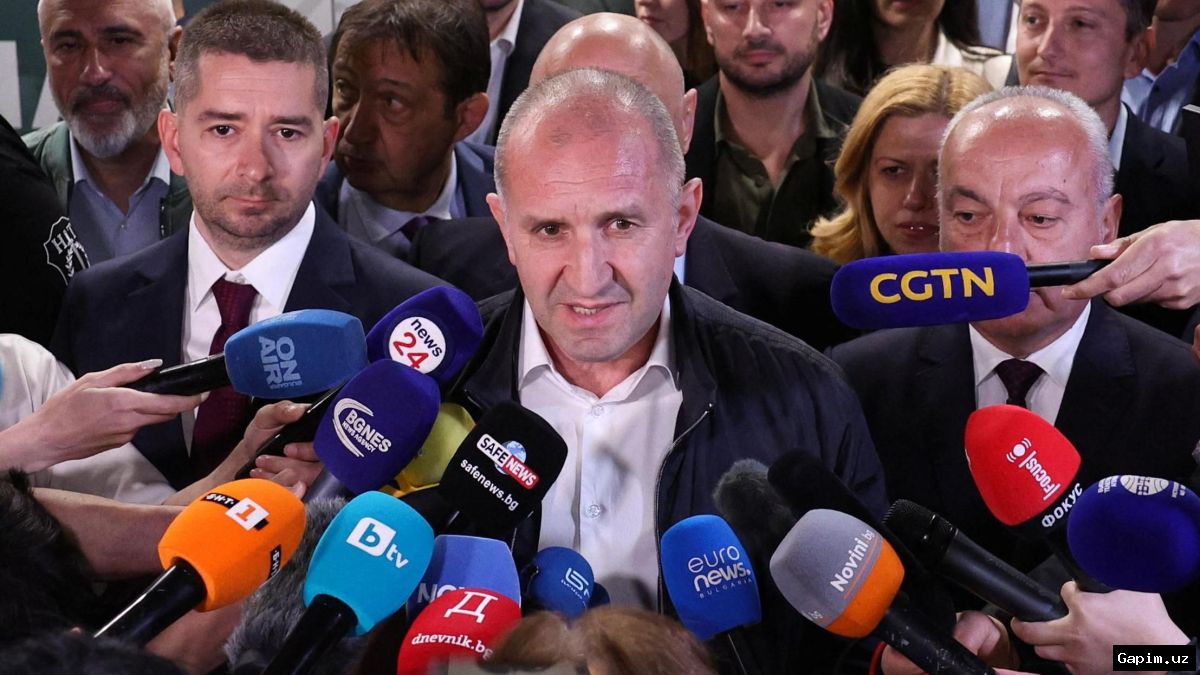
Rumen Radev, a 62-year-old former air force commander and president, has positioned himself as an outsider aiming to dismantle what he calls the "oligarchic governance model." He supported anti-corruption protests in 2025 that led to the downfall of former Prime Minister Rosen Zhelyazkov's government and urged voters to counter vote-buying. However, his foreign policy stance has drawn scrutiny within the European Union and NATO, casting doubt on Bulgaria's future alignment.
While Radev publicly condemned Russia's 2022 invasion of Ukraine, he has opposed providing military support to Ukraine and instead called for renewed "practical relations with Russia based on mutual respect and equal treatment." He objected to a 10-year defense pact between Bulgaria and Ukraine signed in March and advocated for resuming Russian imports despite EU sanctions. Critics have labeled him "pro-Russian," though Radev claims his approach is merely pragmatic, emphasizing Bulgaria's unique position as a Slavic and Eastern Orthodox EU member that could serve as a bridge to restore ties with Russia.
On European matters, Radev has been labeled a eurosceptic due to his criticism of EU policies, including reliance on renewable energy and Bulgaria's adoption of the euro. He criticized the introduction of the euro without public consultation, framing it as a broken promise of joining the "club of the rich." Despite this, he has signaled willingness to cooperate with pro-European parties on judicial reform and stated that Bulgaria will "continue on its European path," though his rhetoric suggests a shift toward what he terms "critical thinking and pragmatism" in the face of what he describes as Europe's overambition to be a moral leader.
The election results place Radev's party far ahead of rivals, with the centre-right GERB party of former Prime Minister Boyko Borissov securing 13.4% and the reformist PP-DB coalition at 12.7%. Pre-election polls by Alpha Research had projected only 34.2% for Progressive Bulgaria, making the victory margin unexpectedly wide. Radev has not ruled out forming a coalition with a smaller party to ensure stable governance, stating he is ready to consider various options for a regular government, amid ongoing challenges such as cost-of-living pressures and corruption that dominated the campaign.
Source: www.aljazeera.com