A US appeals court on Friday issued an order significantly restricting access to the abortion pill mifepristone by mail, temporarily reinstating a requirement that the drug be obtained in person rather than through telemedicine or pharmacy delivery.
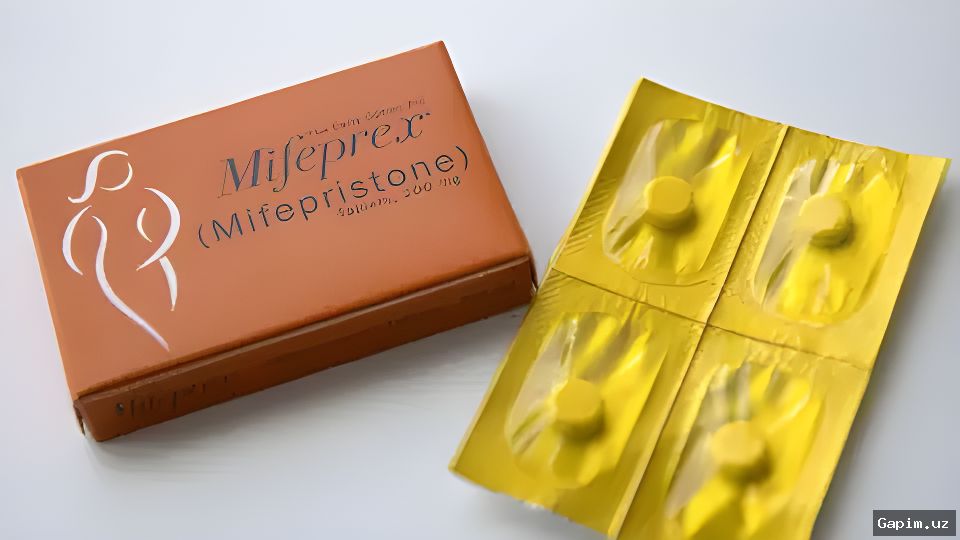
The decision by the Fifth Circuit Court of Appeals particularly curbs access to abortion pills — the most common method of terminating pregnancies in the US — in states where abortion is banned.
The ruling stems from a lawsuit brought by the state of Louisiana and pauses a 2023 Food and Drug Administration (FDA) regulation that allowed doctors to prescribe the pills without seeing patients in person. The court wrote that "every abortion facilitated by FDA's action cancels Louisiana's ban on medical abortions and undermines its policy that every unborn child is a human being from conception."
Louisiana Attorney General Liz Murrill celebrated the decision, claiming the Biden-era rule "facilitated the deaths of thousands of Louisiana babies." However, Julia Kaye of the American Civil Liberties Union (ACLU) said the ruling "defies clear science and settled law and advances an anti-abortion agenda."
New York Attorney General Letitia James affirmed that abortion access remains legal in her state, while Marjorie Dannenfelser of Susan B. Anthony Pro-Life America called the ruling "a huge victory for victims of Biden's reckless mail-order abortion drug regime."
Mifepristone, the first of a two-pill regimen, was first approved by the FDA in September 2000 for terminating pregnancies up to seven weeks, later extended to 10 weeks in 2016. According to the FDA, over 3.7 million women used mifepristone between 2000 and 2018. The drug is also used to treat miscarriages and Cushing syndrome.
The American College of Obstetricians and Gynecologists and other mainstream medical organizations consider both mifepristone and misoprostol safe, with studies showing the two-step regimen is about 95% effective in ending pregnancy.
Source: www.bbc.com