Gulf states are advancing a United Nations Security Council resolution that threatens Iran with sanctions and other measures if it does not halt attacks on ships in the Strait of Hormuz, stop imposing “illegal tolls,” and disclose the location of all mines to ensure freedom of navigation.
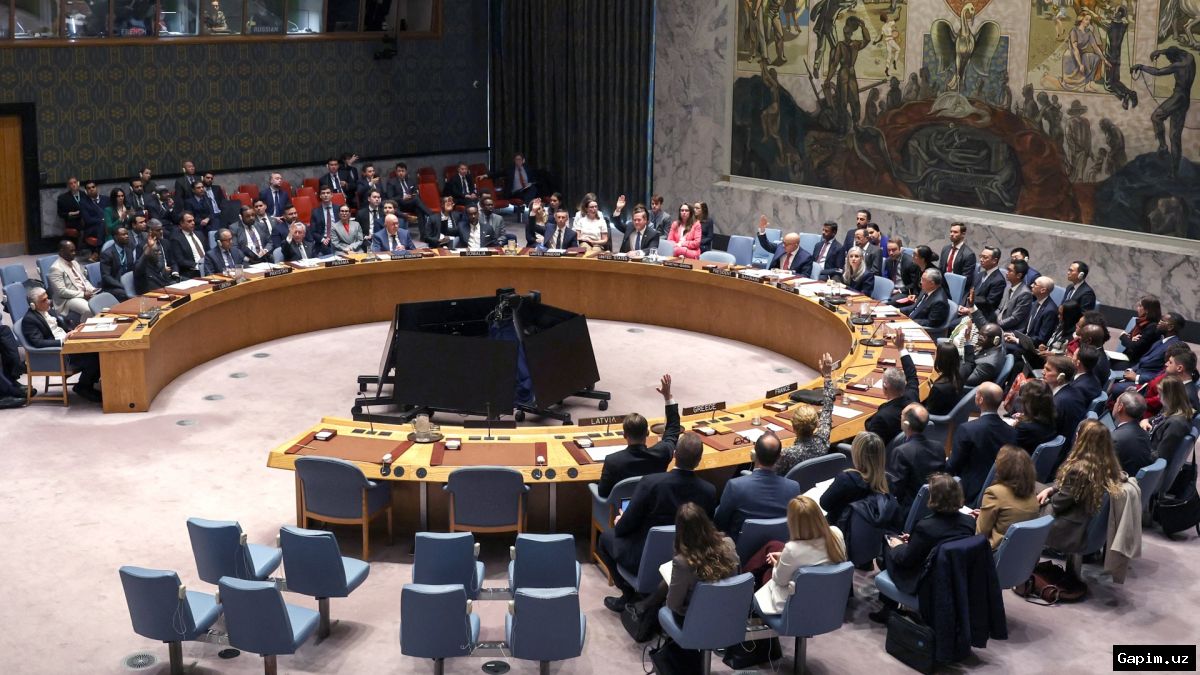
Speaking at the UN on Thursday, top diplomats from Qatar, Bahrain, and the United Arab Emirates (UAE) stressed the importance of resuming pre-war traffic levels in the narrow waterway through which about a fifth of global energy exports pass in peacetime.
“Ensuring the strait remains open is a demand set forth by UN conventions and a shared international responsibility,” said Qatar’s ambassador, Alya Ahmed Saif al-Thani. The current situation “not only jeopardizes global economic stability and energy security but also worsens humanitarian crises and undermines regional stability,” she added.
The three Gulf nations co-drafting the resolution, along with Saudi Arabia, Kuwait, and the United States, also demand that Iran “immediately participate in and enable” UN efforts to establish a humanitarian corridor in the strait to deliver vital aid, fertilizer, and other goods.
The oil and gas-rich countries have found themselves on the front line of the war between Tehran and Washington. After the US and Israel started attacking Iran in late February, the Islamic Republic has responded by striking energy and civilian infrastructure in neighboring countries around the Gulf. Iran has also brought traffic through the Strait of Hormuz to a near total standstill, making transit too risky.
Bahrain’s envoy, Jamal Alrowaiei, highlighted the need for “collective action” to keep the strait “safe, secure and fully open.” The UAE’s representative, Mohammed Issa Abushahab, added that “international waterways cannot be controlled through coercion, attacks or threats against civilian and commercial shipping.”
US envoy Mike Waltz condemned reports that Iran was launching a Persian Gulf Straits Authority to impose tolls, calling it a “cynical bid for leverage.” “Collective punishment of the entire world to try to resolve some type of dispute is unacceptable, it’s immoral, and it’s illegal in international law,” he said.
Iran’s Foreign Minister, Abbas Araghchi, said navigation will return to normal if the war ends and the blockade and sanctions against his country are lifted. He added that the draft resolution ignores the reason for the current situation, blaming the US’s use of force and attacks on Iran.
A previous Bahraini resolution, backed by the US, was vetoed by Russia and China last month. The new draft avoids explicit language authorizing force but still operates under Chapter VII of the UN Charter. Washington reportedly hopes to finalize the draft by Friday and hold a vote early next week.
Source: www.aljazeera.com