The US Treasury Department has imposed sanctions on Iraq's Deputy Minister of Oil, Ali Maarij al-Bahadly, for allegedly helping Iran sell its oil, as Washington seeks to increase economic pressure on Tehran.
The Treasury's Office of Foreign Assets Control (OFAC) said the move comes amid tentative signs of progress in US-Iran negotiations, with Iranian officials claiming to be reviewing a US proposal. The sanctions also target three leaders of Iran-backed armed groups Kata'ib Sayyid al-Shuhada (KSS) and Asa'ib Ahl al-Haq (AAH), whom Washington holds responsible for attacks on US personnel and civilians.
Treasury Secretary Scott Bessent stated: "Like a rogue gang, the Iranian regime is pillaging resources that rightfully belong to the Iraqi people. Treasury will not stand idly by as Iran's military exploits Iraqi oil to fund terrorism against the United States and our partners."
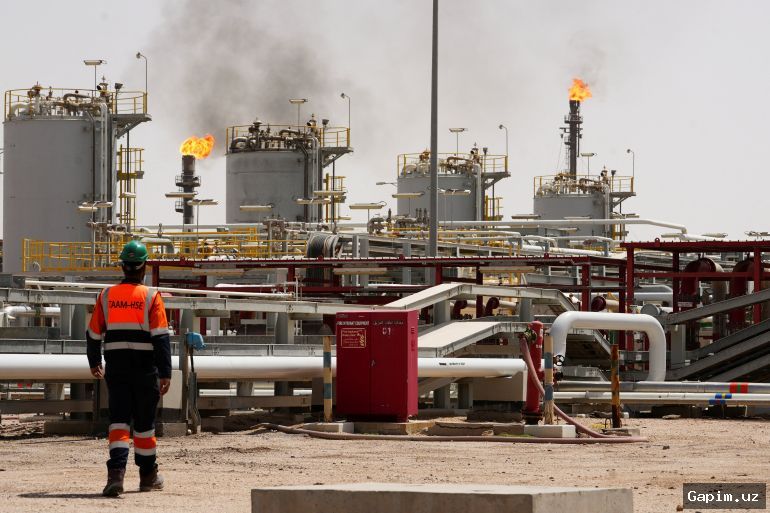
According to OFAC, al-Bahadly used his official positions—first as head of Iraq's parliamentary oil and gas committee, then within the Oil Ministry—to facilitate the diversion of Iraqi oil products to benefit alleged Iran-linked smuggler Salim Ahmed Said and AAH. The US sanctioned Said last year for running a scheme selling Iranian oil falsely labeled as Iraqi.
The sanctions come as Iraqi Prime Minister-designate Ali al-Zaidi works to form a new government, with al-Bahadly reportedly a frontrunner for the Oil Ministry post. The penalties mark rare US action against members of the Iraqi government as Washington tries to curb the influence of Iran-backed groups.
The US has reportedly halted shipments and paused some security cooperation with the Iraqi military, pushing to exclude Iran's closest allies from power in Baghdad. Former US official Victoria Taylor called the move a "tough signal" meant to prevent al-Bahadly from becoming oil minister and to keep militia-affiliated figures out of key positions.
Tensions between Iran and the US have escalated since joint US-Israel strikes in late February. Following a fragile ceasefire on April 8, the confrontation has shifted to a struggle over control of the Strait of Hormuz, through which about a fifth of global energy exports pass. Iranian forces have effectively gained control of the strait by attacking or threatening vessels, while US forces have imposed a naval blockade on Iranian ports.
Source: www.aljazeera.com