A group of 298 petitioners from remote villages in Marsabit County, northern Kenya, has filed a lawsuit against BP and the Kenyan government, alleging that toxic waste left behind during oil exploration in the 1980s has caused a cancer cluster that has killed hundreds.
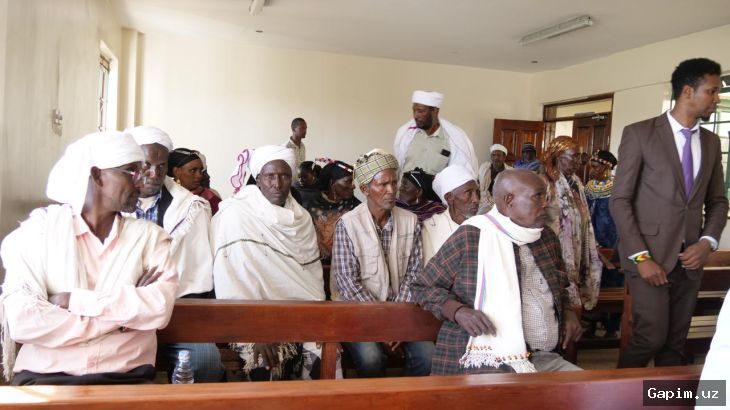
Residents and local health workers report a steady rise in cancer cases and deaths, with over 500 people succumbing to cancers of the digestive system, particularly the esophagus and stomach. Many victims come from villages with limited access to medical care.
Maisan Chamuset, 74, was diagnosed with throat cancer six years ago. He now communicates through a small pipe inserted in his throat, his voice strained and mechanical. His wife died of stomach cancer in 2018. “Everyone here has similar problems,” Chamuset says. “Those responsible should be held to account.”
Between 1986 and 1989, U.S. oil company Amoco, later acquired by BP, drilled exploration wells in the Chalbi Desert. Finding no viable deposits, the company left. At former drilling sites, remnants remain: a rusting pipe marked “Amoco Kenya” and patches of a white powdery substance. Some residents recall mistaking the material for salt and using it to season food.
Worowa Bayo, who worked at one site, recalls waste being dumped into large pits at night, with a strong smell by morning. In 2002, thousands of livestock died after drinking from a borehole. Authorities sealed the area and took samples but never disclosed the results.
Independent tests have indicated possible contamination of local water sources with heavy metals, though scientists have not established a definitive causal link. Medical records from Kargi’s only health facility between 2006 and 2009 show multiple cancer deaths, many involving the throat. The facility is now non-operational.
Nurse Assunta Galgitele, who began treating cancer patients in the mid-2000s, has seen many die. She is now among the petitioners. At the Environment and Land Court in Isiolo, the 298 petitioners accuse BP and the Kenyan government of failing to prevent environmental harm, seeking a full environmental assessment, access to safe water, and compensation.
Lawyer Kelvin Kubai calls it “environmental genocide.” BP declined Al Jazeera’s request for an interview. Human rights defender Margaret Super says the community feels heard for the first time. The case may take years, but new cancer cases continue to emerge in Kargi.
Source: www.aljazeera.com