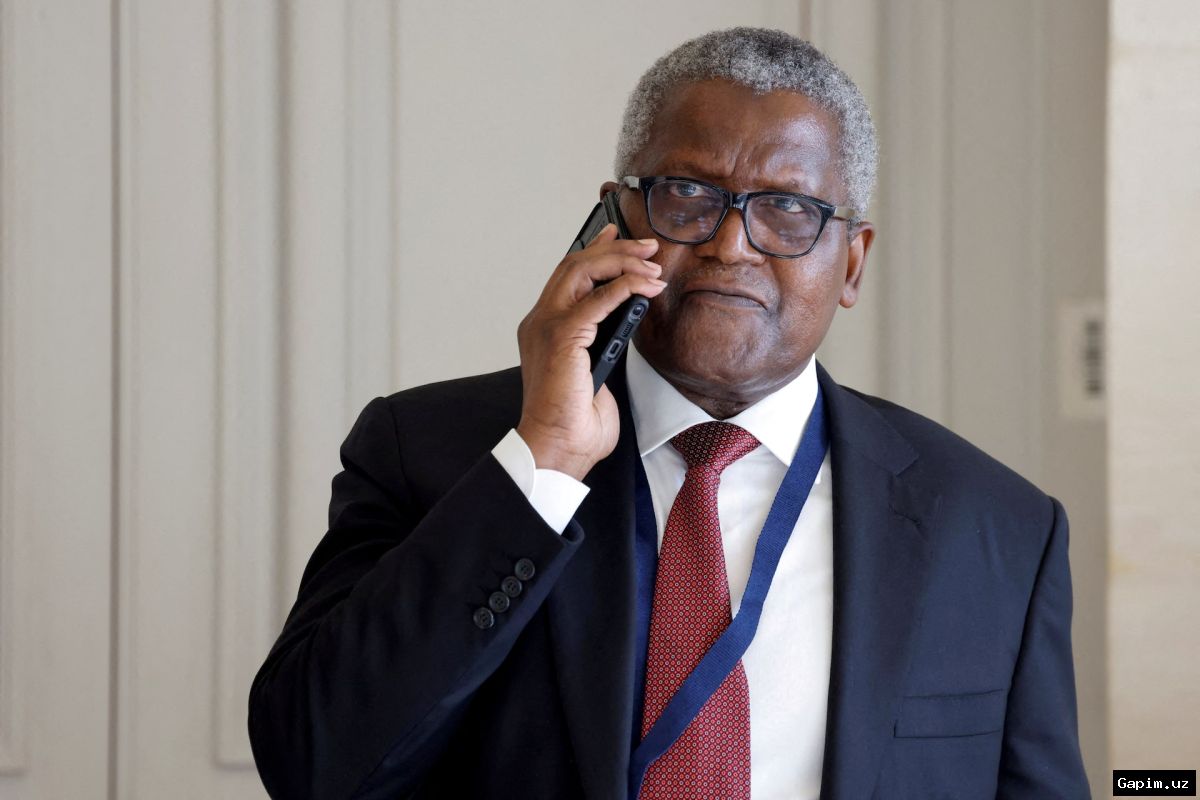
Nigerian billionaire Aliko Dangote, after successfully launching Nigeria's only operational oil refinery in 2024, is now targeting East Africa for another mega refinery project, according to recent reports.
This comes as African countries actively seek ways to enhance energy security following massive global disruptions caused by the US and Israel's war on Iran and Tehran's subsequent closure of the Strait of Hormuz, through which about 20% of the world's oil and natural gas is shipped.
Dangote, Africa's richest man, appeared to be one of the winners from this fallout when his newly operational refinery in Lagos State began selling large volumes of crude oil across the continent as the war on Iran escalated in March and global oil prices soared.
Currently, West, South and East Africa rely primarily on importing refined petroleum products from the Middle East, making them highly vulnerable to disruptions there. Neighbors of Nigeria – Cameroon, Togo, Ghana and even Tanzania further east – have turned to Nigeria as Middle East supplies dry up.
By the end of March, the refinery, with a capacity of 650,000 barrels per day (bpd), reported receiving orders from beyond the continent, especially for severely scarce jet fuel as hundreds of flights were canceled across regions.
In April, Kenya's President William Ruto announced that East African countries were in talks to build a joint oil refinery at Tanzania's Tanga port. However, in an interview with the Financial Times on Sunday, Dangote said he would prefer to build the new operation in Kenya rather than Tanzania.
"I'm leaning more towards Mombasa because Mombasa has a much larger, deeper port," the billionaire told the UK newspaper. "Kenyans consume more. It's a bigger economy," he added, projecting construction costs between $15bn and $17bn.
But venturing into East Africa, with a very different commercial landscape from West Africa, could prove challenging, analyst Dumebi Oluwole of Lagos-based intelligence firm Stears told Al Jazeera. "Dangote has proven it can build at scale. The East African test will be whether it can also navigate the political and logistical landscape of a fragmented, multi-country market."
African countries only refine about 44% of the total oil they consume, with imports making up the rest. East Africa currently has no refining capacity at all, despite having about 4.7 billion barrels of crude reserves, mainly in Uganda, South Sudan, Kenya and the Democratic Republic of the Congo.
While Dangote's refinery has yet to ease local pressures in Nigeria, analysts say it is contributing to "a more transparent and competitive market." Other countries are also stepping up: Angola's $470m Cabinda refinery began supplying markets last week, and a separate government-funded refinery project in Uganda's Hoima region is in the works.
"Dangote has opened the door," Oluwole said. "The question now is whether African institutions and governments will walk through it."
Source: www.aljazeera.com