US consumer prices rose for the second consecutive month in April, posting the biggest annual increase in nearly three years, as energy prices surged amid the US-Israel war on Iran.
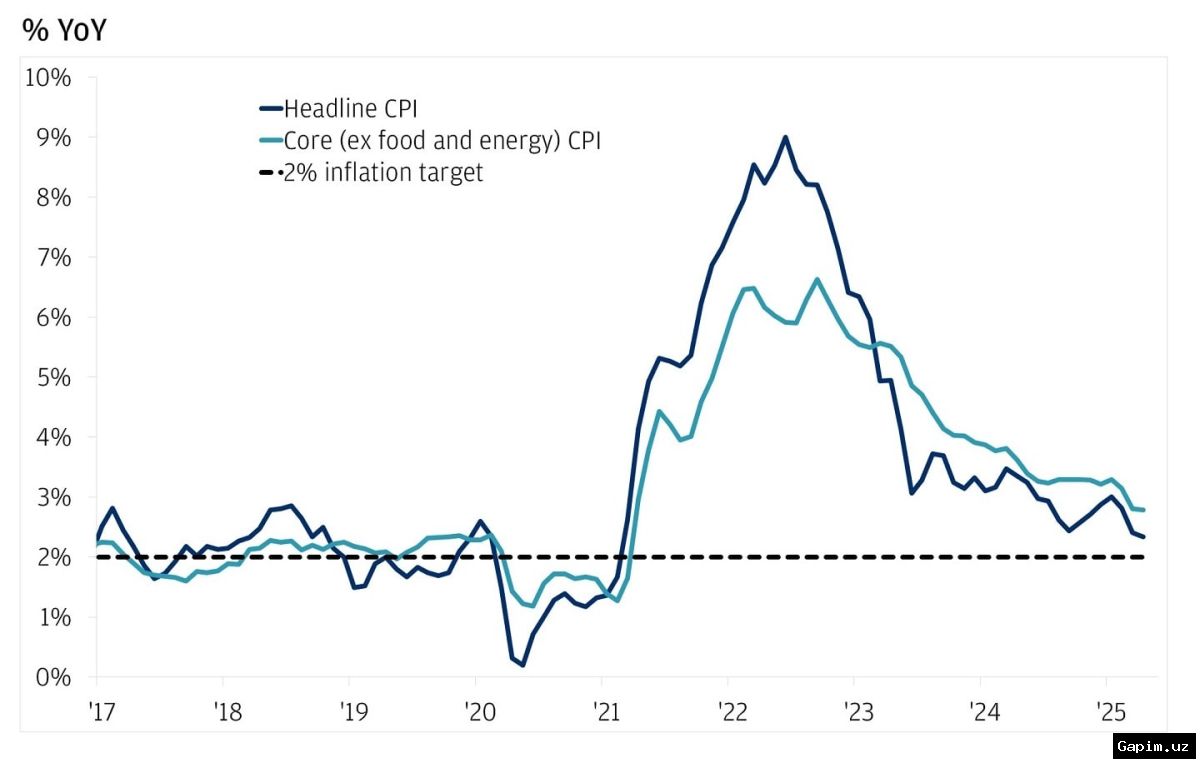
The Bureau of Labor Statistics reported Tuesday that the consumer price index (CPI) rose 0.6% in April, following a 0.9% increase in March. On an annual basis, prices climbed 3.8%, the largest jump since May 2023.
The increase was driven by a surge in energy costs, with gasoline prices rising 5.4% month-over-month. Over the past 12 months, energy prices have soared 17.9%, and gasoline is up 28.4% year-on-year. The average price for a gallon of gas now stands at $4.50, compared to $2.98 before the US and Israel struck Iran on February 28.
“The passthrough of higher energy costs to non-energy prices was most apparent in airfares, which airlines have had to raise to cover rising jet fuel prices,” said Bernard Yaros, lead US economist at Oxford Economics. Airfares rose 2.8% month-over-month, and low-cost carrier Spirit Airlines ceased operations earlier this month, citing heightened fuel costs due to “recent geopolitical events.”
White House spokesperson Kush Desai claimed the price bump is likely temporary, stating that “President Trump has always been clear about temporary disruptions as a result of Operation Epic Fury.” However, economists warn that conflict with Iran will keep prices elevated. “Every day the war continues, prices climb higher and will stay there for months after it ends,” said Alex Jacquez, a former White House National Economic Council member.
Food prices also rose, with meat, poultry, fish, and eggs up 2.7% month-over-month. Fruit and vegetable costs surged 1.8%, and tomato prices jumped nearly 40% year-on-year. Coffee prices rose 18.5% annually. However, egg prices fell 39% year-on-year, a figure the White House touted.
US stock markets tumbled on the report: the Nasdaq fell 1.4%, the Dow Jones 0.6%, and the S&P 500 0.8% in midday trading.
The CPI report comes as Federal Reserve Chairman Jerome Powell’s term ends this week, with Kevin Warsh expected to be confirmed as his replacement. With inflation ticking higher and a stable job market, the Fed is expected to keep rates unchanged through the remainder of the year, despite Trump’s demands for rate cuts. Oxford Economics now expects the next rate cut in December, rather than June.
Source: www.aljazeera.com