As the world’s attention is fixed on the Strait of Hormuz amid the US-Israeli regime’s war with Iran, Tehran is quietly escalating pressure on political prisoners. Human rights advocates are sounding the alarm over mass executions.
Mahmood Amiry-Moghaddam, a Norwegian-Iranian neuroscientist and founder of Iran Human Rights, told DW: “We have been observing the human rights situation in Iran with great concern. The near-daily executions of political prisoners, protesters, and people accused of espionage are particularly alarming.”
In 2025, the Iranian government executed at least 1,639 people — a 68% increase from the previous year, averaging 4-5 executions per day. This is the highest number in 35 years, continuing a surge that began after the 2022 “Woman, Life, Freedom” protests.
UN Human Rights Chief Volker Türk reported that over 4,000 individuals have been arrested on national security charges since the war began, with at least 21 executed.
Activist Zia Nabavi wrote on social media: “I hardly dare imagine what the successive executions have done to the climate in the prison’s political wards.” Internet access has been severely disrupted since late February, with increased crackdowns on VPNs and satellite terminals.
Human rights lawyer Saeid Dehghan, founder of the 1Kalameh Legal Network, stated: “Contacting colleagues in Iran is very difficult, but we have learned that court cases of political prisoners are being accelerated while becoming less transparent. This means death sentences can be handed down and carried out sooner.” He added that independent lawyers are being systematically intimidated and arrested.
Nobel Peace Prize laureate Narges Mohammadi recently suffered a heart attack and was granted conditional release on bail. Dehghan argues other ill political prisoners should also be entitled to medical furlough.
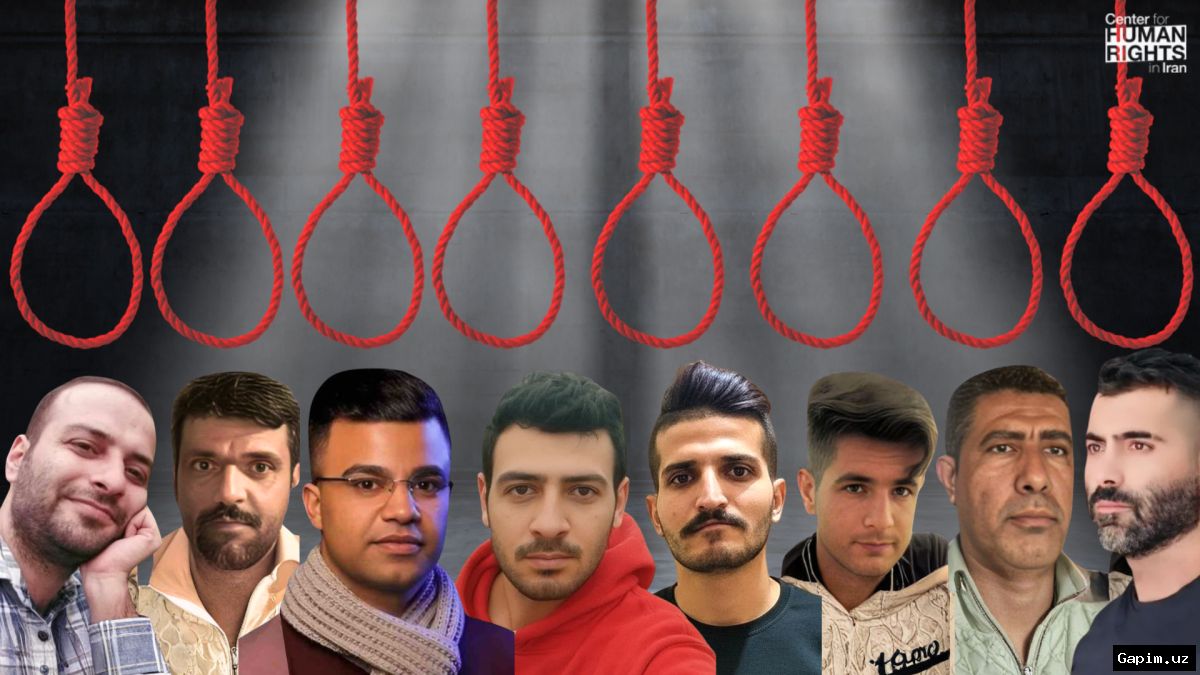
Advocates warn that Iran may repeat the pattern of mass executions that followed the 1980-1988 Iran-Iraq War, when thousands were killed. Hundreds of protesters now face charges that could lead to death sentences.
Amiry-Moghaddam urges the international community to prioritize Iran and make ending executions and releasing political prisoners a core condition for negotiations: “Ultimately, the people in Iran will be the ones to carve out fundamental change.”
Source: www.dw.com