Iraq's new Prime Minister Ali al-Zaidi was sworn in with only a partial cabinet on Thursday after lawmakers failed to reach a consensus on key postings, including interior and defence.
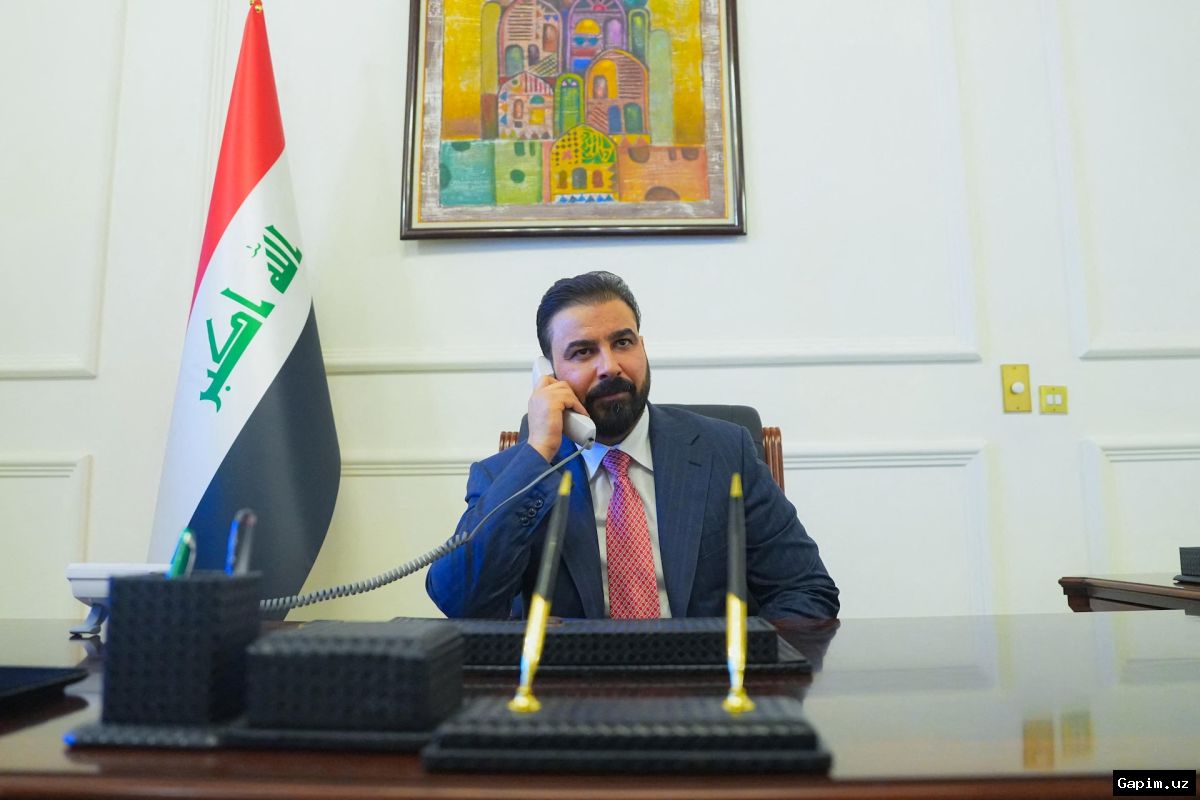
The prime minister and other ministers who secured parliamentary confidence took the constitutional oath of office, according to the official Iraqi News Agency (INA), formally assuming their duties.
“The Council of Representatives votes to grant confidence to the government of Prime Minister Ali Faleh Al-Zaidi and its ministerial programme,” the prime minister’s media office said.
In Iraq, a government wins a confidence vote when parliament approves half plus one of its ministries. Al-Zaidi’s government should include 23 ministers, but its lineup remains incomplete as key political parties continue to negotiate several portfolios.
Parliament approved 14 ministers during the session but failed to reach consensus on several remaining posts, including the interior and defence portfolios.
Basim Mohammed was appointed as the country’s new oil minister while Fuad Hussein was kept on as the foreign minister in the new government, lawmakers told Reuters.
Al-Zaidi presented his government programme during the parliament session – which was not broadcast live – but has yet to announce it publicly. Al-Zaidi, Iraq’s youngest prime minister at age 40, was chosen to form the new government on April 27 after President Nizar Amedi named him prime minister-designate.
He will face major challenges, including disarming Iran-backed militias, tackling entrenched corruption, and balancing ties between Washington and Tehran.
The selection of al-Zaidi broke a months-long deadlock in which US President Donald Trump had intervened, after former two-time Prime Minister Nouri al-Maliki had emerged as the coalition’s initial candidate. Al-Maliki, who is close to Iran, was fiercely opposed by Trump, who warned that all support to Iraq would stop if he became prime minister.
Unlike his predecessors, al-Zaidi has no history in political office or government administration. Analysts note that al-Zaidi’s lack of political history is his greatest asset. In a deeply polarised landscape, his “blank slate” makes him a palatable choice domestically and internationally.
Source: www.aljazeera.com