A series of Israeli air attacks on southern and eastern Lebanon has killed at least five people and injured more than a dozen, according to the Health Ministry.
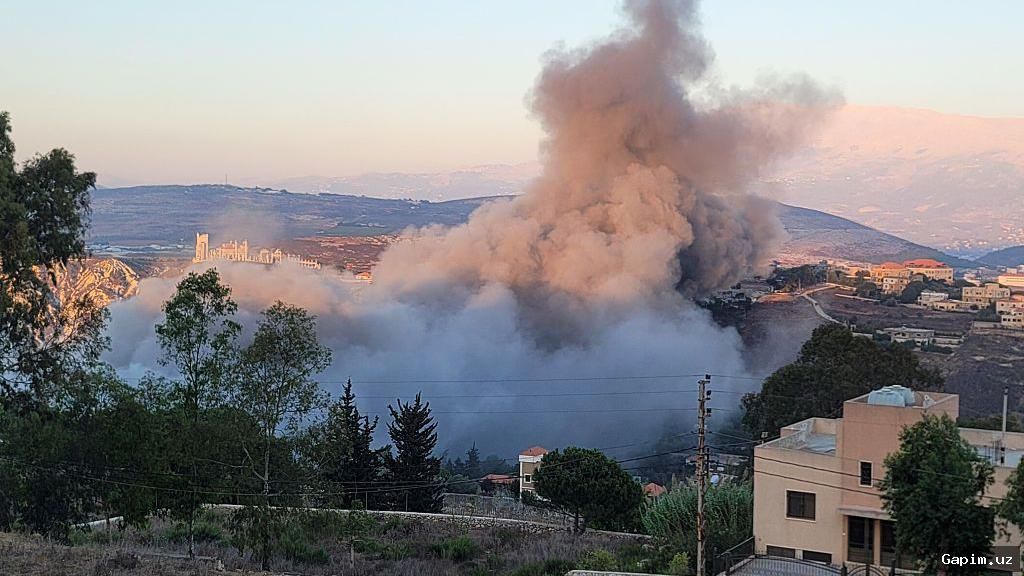
Despite Israel agreeing to a ceasefire extension with Hezbollah, the attacks on Sunday included the municipalities of Tayr Felsay, Tayr Debba, Az-Zrariyah and Jebchit.
According to Lebanon’s state-run National News Agency (NNA), at least three people were also killed in a separate Israeli attack on the village of Jouaiya. The Israeli military issued forced displacement orders to residents in the villages of Sohmor, Roumine, al-Qusaibah, Kfar Hounah and Naqoura in southern Lebanon.
“It’s been another violent day here in southern Lebanon,” reported Al Jazeera’s Obaida Hitto, from the southern city of Tyre. “As the ceasefire comes into place, we have seen the exact opposite happening with Israel intensifying its attacks,” he said.
At a cabinet meeting on Sunday, Prime Minister Benjamin Netanyahu said Israel was “holding territory, clearing territory, protecting Israel’s communities, but also fighting an enemy that is trying to outsmart us”.
Since the war resumed on March 2, at least 2,988 people have been killed and 9,210 injured in Israeli attacks across the country, the Lebanese Health Ministry said on Sunday.
Sunday’s attacks followed talks in Washington, DC, where the two countries agreed a 45-day ceasefire extension – even though the original accord which began on April 17 has never been observed.
NNA reported that the ceasefire extension is intended to allow for a US-facilitated security track to begin on May 29, with the next round of talks between the two sides planned for June 2 and 3 in Washington, DC.
Hezbollah opposes direct negotiations, especially as Israeli forces continue to bomb southern Lebanon and occupy parts of it since the ceasefire. “The direct negotiations that the authorities in Lebanon have conducted with the Israeli enemy have … led them down a dead-end path that will result in nothing but one concession after another,” Hezbollah legislator Hussein Hajj Hassan said on Sunday.
The war is having a disastrous humanitarian impact. Between March and April, more than 1.2 million people have been forced to leave their homes due to fighting, according to the Danish Refugee Council. Bassem El-Bawab, head of the Lebanese Business Association, said the country has suffered more than $25bn in direct and indirect losses since Israel’s war started in 2024.
Source: www.aljazeera.com