Russian President Vladimir Putin arrived in China on Tuesday evening for a two-day visit centered on talks with Chinese President Xi Jinping, as Moscow and Beijing draw closer amid war, sanctions and an increasingly fractured global order.
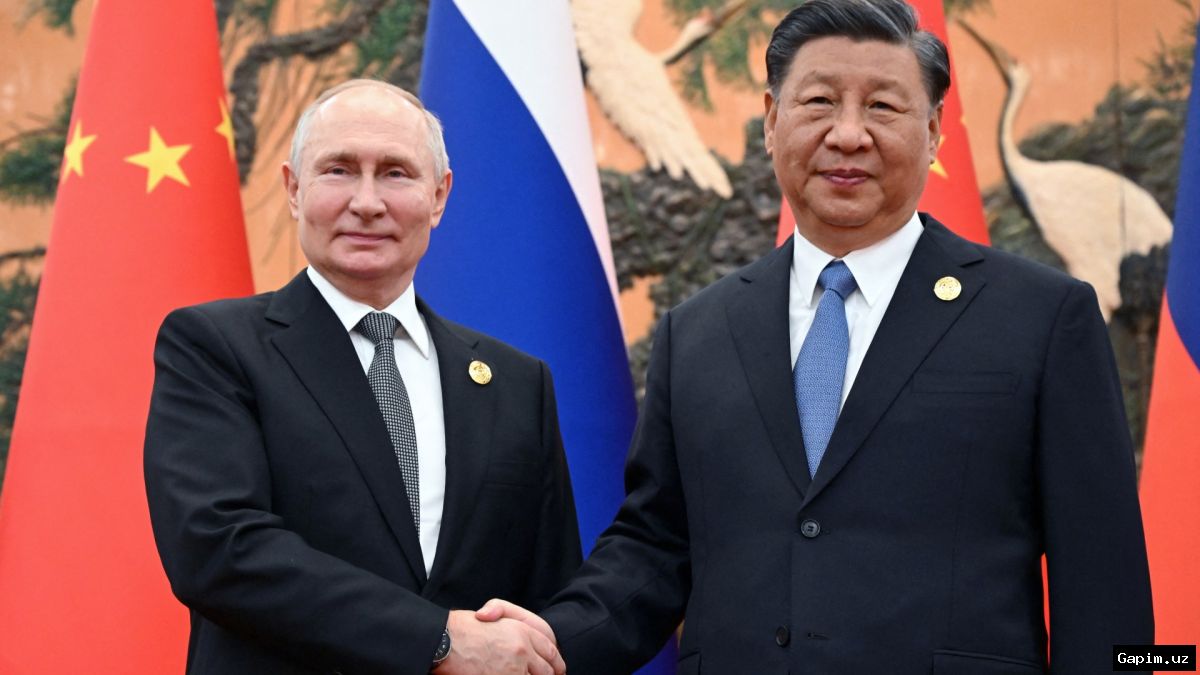
Putin's visit is the second face-to-face meeting he has held with Xi in less than a year and coincides with the 25th anniversary of the 2001 Treaty of Good-Neighborliness and Friendly Cooperation, which formalized ties between Russia and China after decades of ideological rivalry and mutual suspicion.
The visit comes just days after United States President Donald Trump left Beijing following his own two-day visit for meetings with Xi. Both Moscow and Beijing are navigating tricky relations with Washington, with analysts saying the unpredictability of Trump's foreign policy has pushed Russia and China even closer together.
Their deepening partnership also comes against the backdrop of the war in Ukraine, mounting tensions around Iran, and disruption to shipping through the Strait of Hormuz – a crisis that has rattled global energy markets and renewed Beijing's concerns over the security of its oil and gas supplies.
Analysts say Xi's decision to host Trump and Putin within a week is no coincidence, reflecting Beijing's attempt to cast itself as a trusted actor in a fragmented world order. China has become an economic lifeline for Russia, with two-way trade more than doubling between 2020 and 2024 to reach $237 billion.
However, the relationship is uneven: while China is Russia's largest trading partner, Russia accounts for only about four percent of China's total international trade. Since the invasion of Ukraine, Moscow has become increasingly reliant on Chinese technology and manufacturing, including components with military and dual-use applications.
Analysts say the imbalance means Beijing often negotiates from a position of strength. Yet Russia provides something valuable: secure access to vast energy resources beyond vulnerable maritime trade routes. The proposed Power of Siberia 2 pipeline, expected to be a key topic this week, would transport 50 billion cubic meters of Russian gas annually to China via Mongolia.
Both countries are permanent UN Security Council members and frequently align diplomatically against US-led policies. While they have expanded joint military exercises, they have avoided a formal military alliance, with experts saying the partnership's strength lies in its flexibility and shared economic and strategic interests.
Source: www.aljazeera.com