Two separate incidents of gun violence have shaken Honduras, leaving at least 16 people dead. The first attack occurred on a remote palm farm in Rigores, Trujillo municipality in the country's north.
National Police spokesperson Edgardo Barahona reported that up to 10 workers were shot dead at the site, though the number is expected to rise. Distraught family members reportedly collected bodies before investigators could secure the crime scene.
Local media indicated that armed suspects fired indiscriminately at laborers, including some gathered at a local church. Three sisters were reportedly among the dead.
While no motive has been identified, northern Honduras has been the site of ongoing agrarian conflict for years. Human rights experts warn that armed actors have been forcing local farmers and workers off their land to control fertile territory, sometimes resulting in deadly attacks.
The head of Honduras's Joint Staff of the Armed Forces, Hector Benjamin Valerio Ardon, pledged to provide "all necessary logistics" and "all its personnel" to find those responsible.
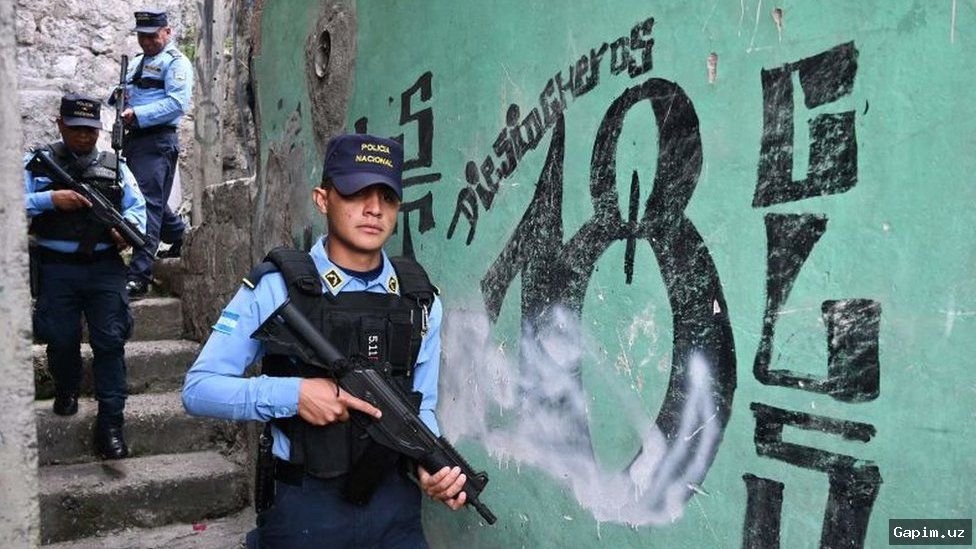
On the same day, a second deadly incident unfolded in the Cortes department near the Guatemalan border. Police officers from the capital Tegucigalpa were conducting an anti-gang operation in Omoa when they were ambushed. Six officers, including Deputy Commissioner Lester Amador, were killed.
Following the two attacks, the National Police stated it "will proceed immediately with a direct intervention in the affected areas" and that "the state will act firmly to capture those responsible, protect vulnerable communities and guarantee comprehensive justice."
Honduras had been under a years-long state of emergency to combat crime starting in 2022. Critics denounced the measures for weakening civil liberties and giving law enforcement excessive power, leading to human rights abuses. The emergency decree ended in January with the inauguration of right-wing President Nasry "Tito" Asfura, a close ally of US President Donald Trump, who has prioritized a hardline approach to security in Latin America.
Source: www.aljazeera.com